+86-400-1866-598 cs@chinasteelmarket.com +86-18864881658 (Whatsapp&Wechat)
Login | Register
Empowering small and medium-scale steel purchasing
Quickly obtain FOB/CIF price
Home > Articles

 Articles

Short News
09/05 17:21
< On May 9, the price of angle steel in Tangshan rose slightly. Q235B (ASTM A36) Zhengfeng 125*125*10mm 505.68, up 8.82. (USD/ton)
Read More
09/05 17:18
< On May 9, the price of shipbuilding steel plates in Shanghai rose slightly. CCSB (ABS-B) Shougang 8mm 590.94, up 7.35. (USD/ton)
Read More
09/05 17:14
< On May 9, the price of galvalume steel sheet & coil in Guangzhou remained stable. DX51D+AZ150 (ASTM A792/A792M CS) Panzhihua Steel 1.0*1250*C 708.54 (USD/ton)
09/05 17:10
< On May 9, the price of hot rolled steel plate in Tangshan rose slightly. Q235B (ASTM A36) HBIS 7.5*1500*6000mm, 504.21, up 5.88. (USD/ton)
Read More
09/05 17:03
< On May 9, the price of cold rolled ribbed rebar in Nanjing rose slightly. CRB600H (ASTM A615 Grade 80) Qingyan Φ12mm 608.58, up 5.88. (USD/ton)
Read More
09/05 17:02
< On May 9, the price of hard cold-rolled coils in Shanghai rose slightly. SPCC-1B (ASTM A1008 CS) common 0.25*1000*C 577.71, up 4.41. (USD/ton)

Answers

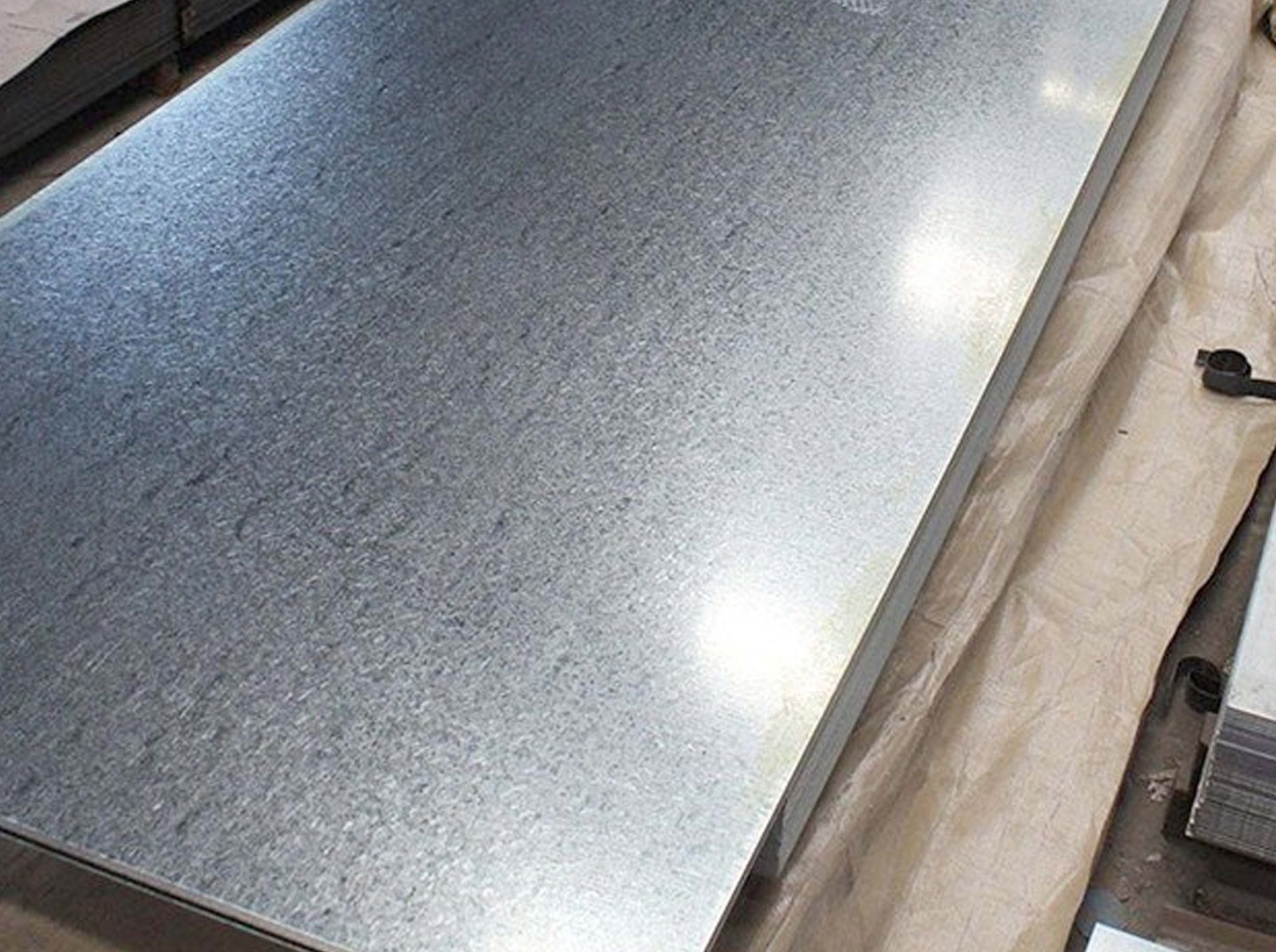
  • What are the effects of changes in the hot-dip galvanized coating at high temperatures on its properties?

    Under high temperature conditions, the hot-dip galvanized layer will undergo a series of changes, which will affect its performance as follows: Appearance changes: High temperature may cause the color of the hot-dip galvanized layer to change, turning yellow, gray, or even black. This is because high temperatures cause the zinc layer to oxidize, generating different zinc oxides, which in turn affect the appearance and color of the coating.
    Changes in microstructure: The microstructure of the hot-dip galvanized layer changes at high temperatures. Zinc grains grow, and grain boundaries become blurred. This change in organizational structure alters the mechanical properties of the zinc layer, typically resulting in decreased hardness and increased toughness.
    Changes in corrosion resistance: Generally speaking, within a certain temperature range, the corrosion rate of hot-dip galvanized layers will accelerate as the temperature increases. This is because high temperatures accelerate the chemical reaction between zinc and oxygen, moisture, and other corrosive media in the air, and may also damage the passivation film on the zinc layer surface, reducing its protective effect on the substrate. When the temperature exceeds a certain limit, the zinc layer may peel or flake off, further losing its protective properties.


Timely Info Independent Platform Multiple guarantees Self-operated storage

China Steel Market

Empowering small and medium-scale steel purchasing


How can I help you?