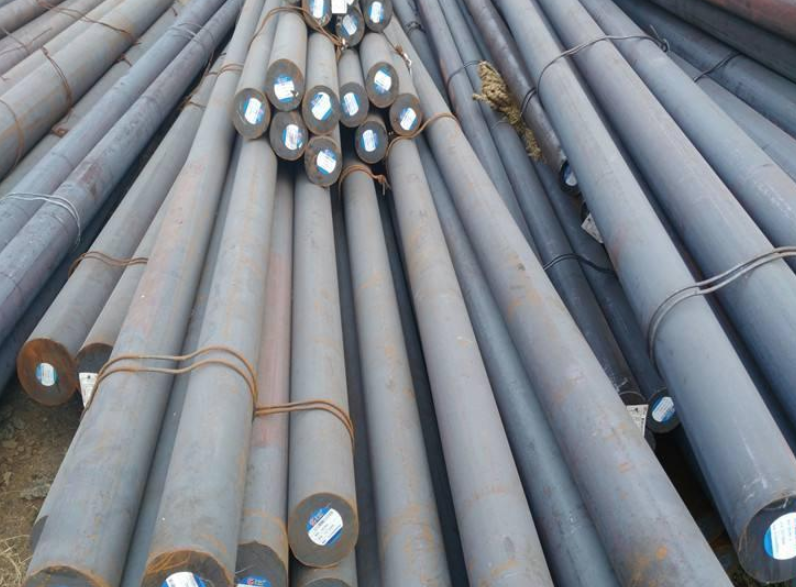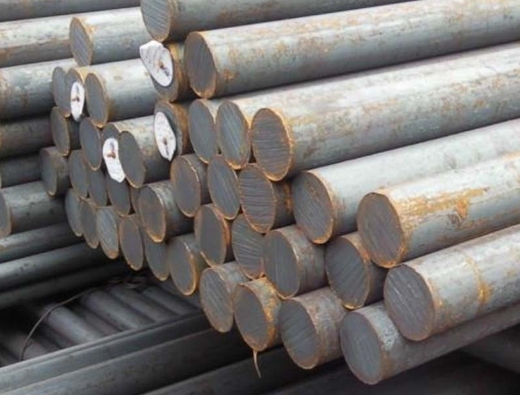

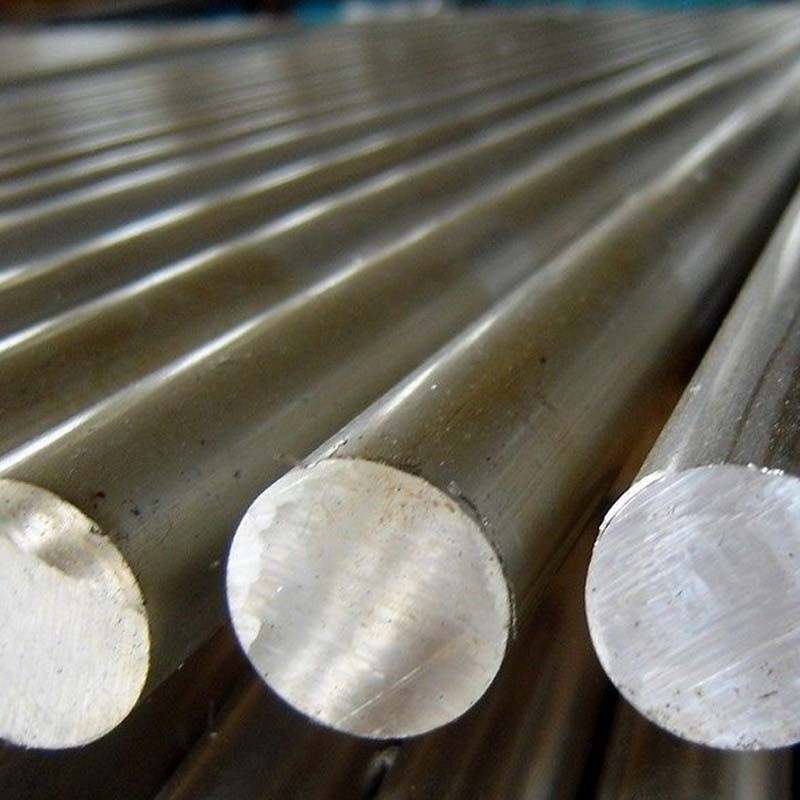
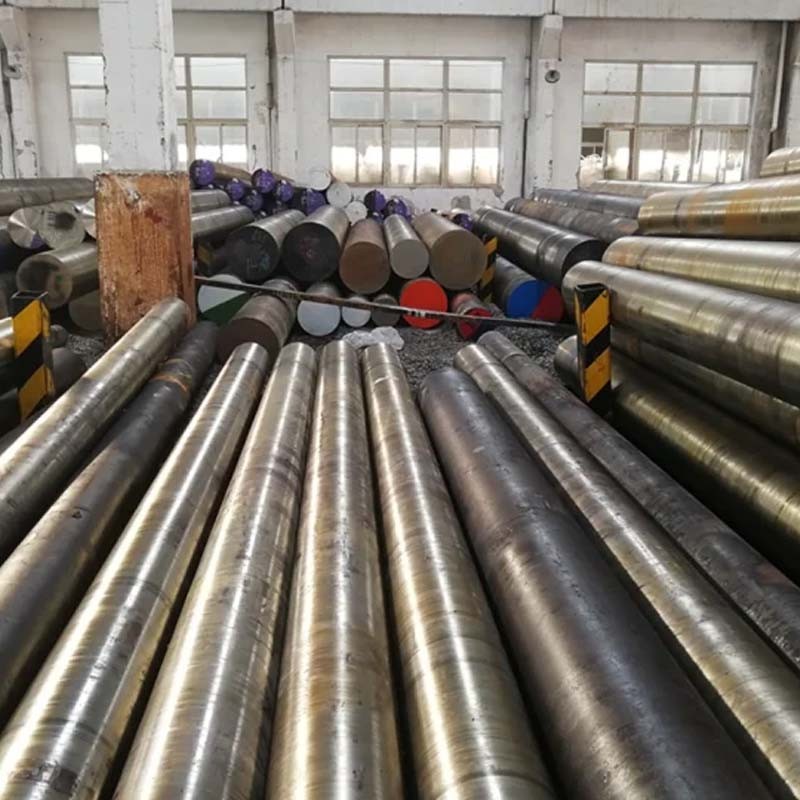
Alloy steel round bars are solid, round-section steel bars produced by adding one or more alloying elements (such as chromium, nickel, manganese, molybdenum, tungsten, vanadium, titanium, etc.) to carbon steel to improve their mechanical properties, corrosion resistance, heat resistance, wear resistance, and other characteristics. The addition of alloying elements gives the steel high strength, high toughness, good hardenability, and excellent overall mechanical properties, making it suitable for the manufacture of various mechanical structural components, drive shafts, connecting rods, gears, cams, fasteners, and other applications.
Classification and Common Models
Based on alloy composition and application, they are primarily classified into the following categories:
1. Low-alloy round bars: Total alloy content < 5%, such as 40Cr (containing 0.8%–1.1% chromium), commonly used for gears and shaft components.
2. High-alloy round bars: Total alloy content ≥ 10%, such as 316L stainless steel (16%–18% chromium, 10%–14% nickel), used in chemical processing equipment.
3. Tool alloy steel: Such as 9SiCr (1.2%–1.6% silicon), suitable for manufacturing cutting tools.
The table below lists typical parameters for common alloy round bars:

Key Performance Characteristics
High Strength and High Toughness: The solid solution strengthening effect of alloying elements enables tensile strengths ranging from 600 to 1,200 MPa (as per GB/T 3077-2015 “Alloy Structural Steels”), which is significantly higher than the 300–500 MPa typical of ordinary carbon steel. This significantly enhances the steel’s tensile strength and yield strength while maintaining good toughness, enabling it to withstand high static and impact loads.
Excellent Quenching Hardenability: Alloying elements (such as chromium, molybdenum, and manganese) improve the steel’s quenching hardenability, allowing it to achieve a uniform quenched microstructure even in larger cross-sections and ensuring consistency in properties between the core and the surface.
Good heat resistance: Certain alloy structural steels (such as chromium-molybdenum steel) exhibit high creep strength and endurance strength at high temperatures, with long-term operating temperatures reaching up to 500°C.
Versatile machinability: Alloy steel round bars offer good hot working and machining properties, allowing for easy forging, turning, drilling, and other operations.
Significant response to heat treatment: Through heat treatment processes such as quenching and tempering, carburizing, and annealing, the mechanical properties of the steel can be adjusted over a wide range to meet the demands of various applications.
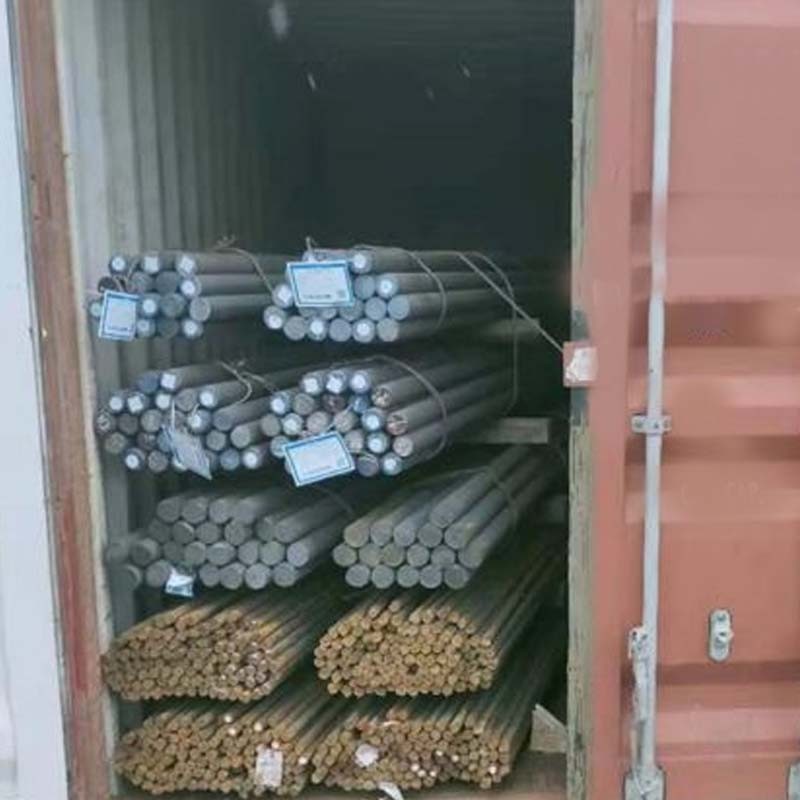
Diverse supply forms: Available in hot-rolled, forged, cold-drawn, peeled, and polished conditions, with surface treatments such as blackening and galvanizing to meet different precision and corrosion resistance requirements.
Production Process and Quality Control
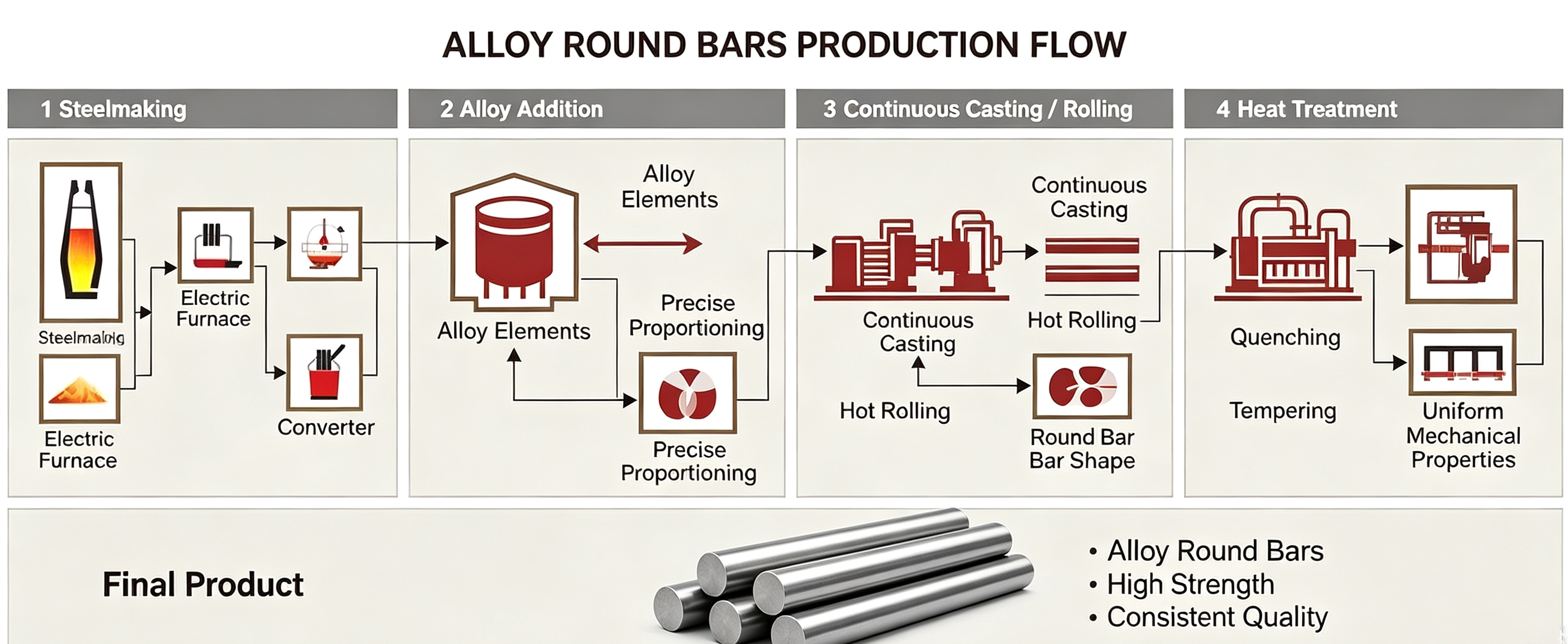
The production process for alloy round bars includes: steelmaking (electric furnace/converter) → alloy addition → continuous casting/rolling → heat treatment (quenching, tempering). Specifically:
Heat treatment is a critical step; for example, quenching and tempering (quenching + high-temperature tempering) can achieve a hardness of HRC 25–32 for 40Cr steel.
Non-destructive testing (ultrasonic and magnetic particle testing) ensures the absence of internal defects such as cracks and porosity, in compliance with the GB/T 4162-2008 standard.
Application Scenarios and Selection Recommendations
1. Machinery Manufacturing: For high-load components (such as crankshafts), 42CrMo is the preferred choice, as it has a fatigue limit of up to 450 MPa.
2. Energy Industry: 12Cr1MoVG steel, which is resistant to high temperatures and pressures, is used in power plant piping, with an operating temperature of up to 580°C.
3. Aerospace: Titanium alloy round bars (such as TC4) are used in aircraft landing gear due to their lightweight advantages.
Note: Material selection should comprehensively consider load, environment (corrosion, temperature), and cost to avoid overdesign. For example, Q355B low-alloy steel is sufficient for ordinary structural components; there is no need to use high-cost 304 stainless steel.



|

|

|

|

|
| Timely Info | Independent | Platform | Multiple guarantees | Self-operated storage |
China Steel Market
Empowering small and medium-scale steel purchasing

| About us | Channel | Useful tools |
|---|---|---|
| About China Steel Market | Prices | Steel Weight Calculation |
| Contact Us | Answers | Why Choose Us |
| Terms & Conditions | Inventory | |
| Privacy Policy | Help |
Hot search words:
China Rebar prices China Wire Rod Prices Welded Steel Pipe Prices