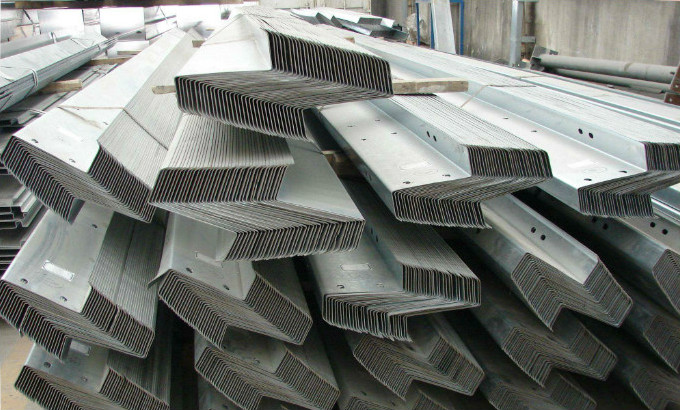

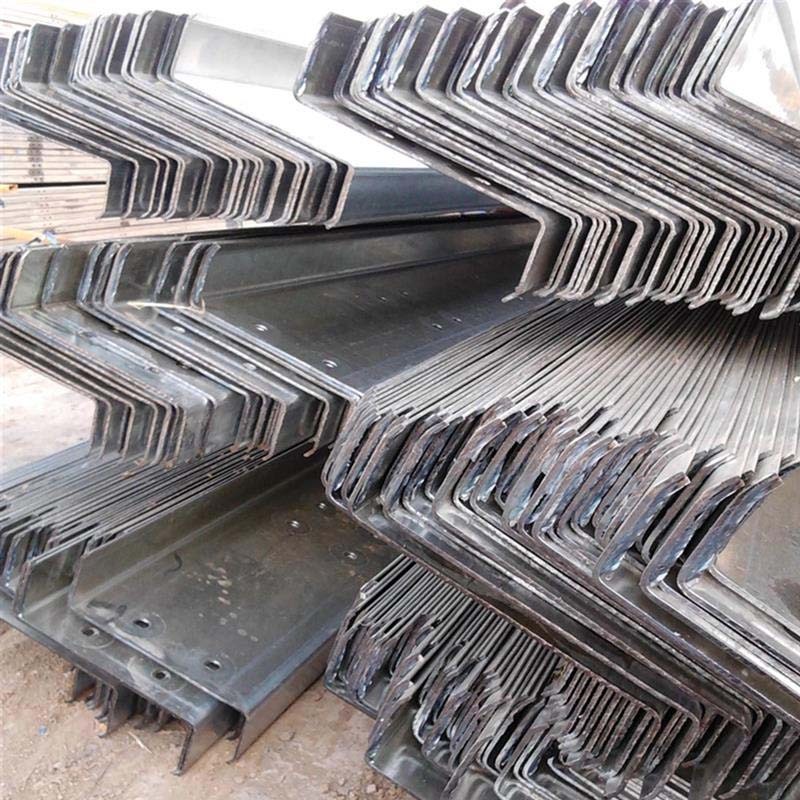
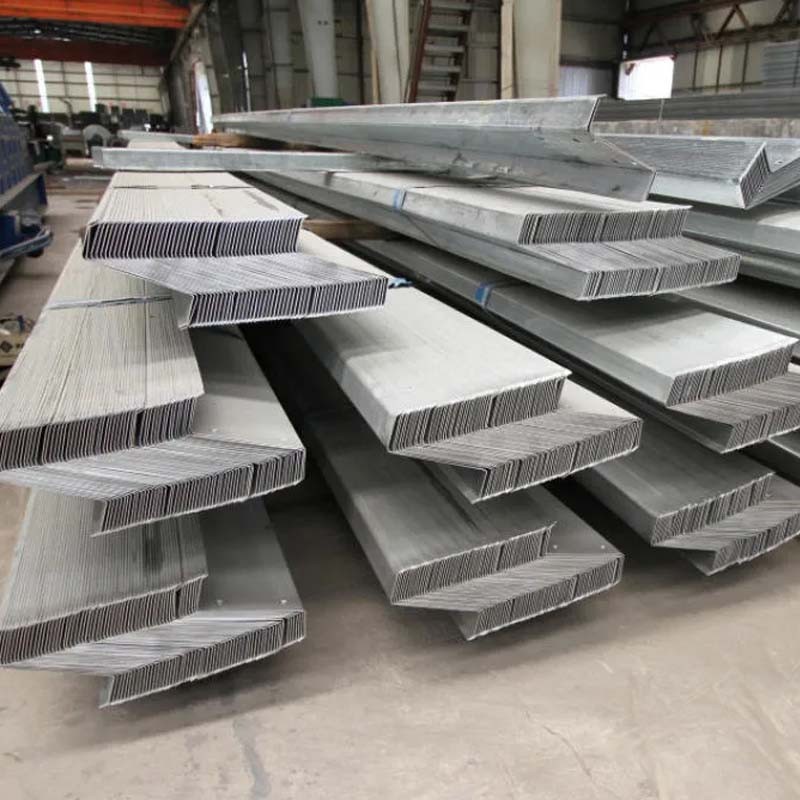
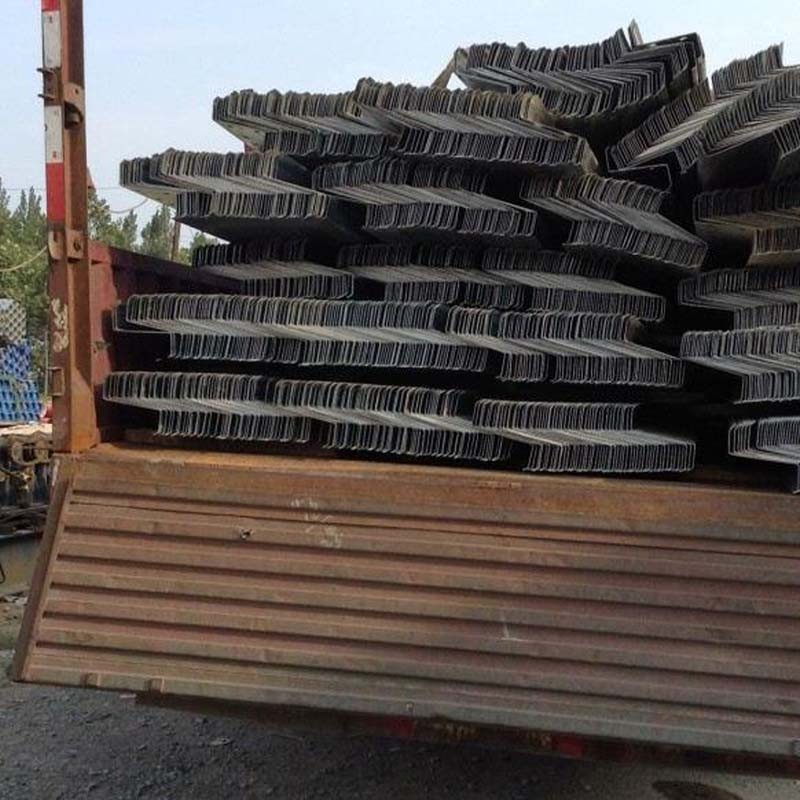
Z-shaped steel, also known as cold-formed Z-shaped steel, refers to long strips of steel with a Z-shaped cross-section, made from hot-rolled or cold-rolled steel strips through cold bending on a continuous roll forming machine. Z-shaped steel is formed by cold bending and rolling high-quality steel strips, resulting in a Z-shaped cross-section. It exhibits excellent lateral bending resistance, facilitates overlapping and splicing, and provides stable overall load-bearing capacity. It can be hot-dip galvanized for corrosion protection, is rust-proof and durable, and comes in a full range of sizes. It is easy to process and install. It is widely used for purlins on roofs and walls of steel structure factory buildings, and can also be used as photovoltaic support components, making it suitable for large-span steel structure building projects.
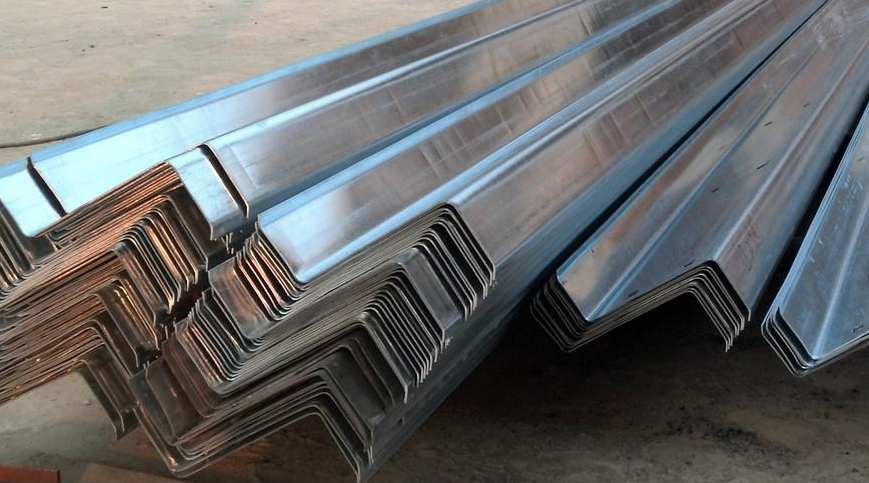
1. Economical and rational cross-section: The Z-shaped cross-section perfectly matches the stress characteristics of roof purlins, and its section modulus per unit weight is higher than that of hot-rolled steel.
2. Significant material savings: When used in building structures, it can save 38% to 50% of metal compared to hot-rolled steel.
3. Good adaptability to steep roofs: Particularly suitable for purlins on steep roofs, its asymmetrical cross-section can better withstand roof loads.
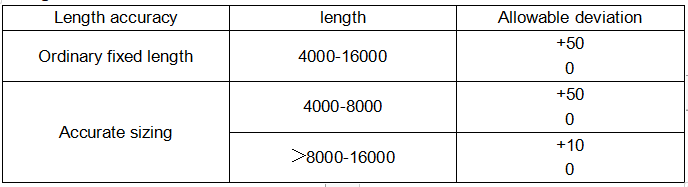
4. Flexible and adjustable specifications: Custom sizes can be made according to project needs, and all are supplied in standard or multiple lengths.
5. Can be shipped with holes: Can be combined with punching and other processes during production, reducing on-site processing workload.
Z-shaped steel is produced using a cold-bending forming process.
Core Process Flow: Hot-rolled/cold-rolled steel strip → Uncoiling → Leveling → Roll forming (multi-pass cold bending) → Cutting to length → Inspection → Packaging
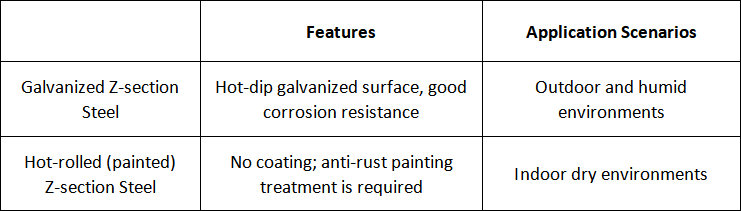
Galvanized Z-shaped steel is made from Q235B/Q355B steel strip, CNC cold-bent in one step, and then hot-dip galvanized. The zinc layer is uniform, rust-proof, and corrosion-resistant.
Z-shaped steel can be classified in several ways, including by edge characteristics, surface treatment, and application.
1. Classification by Edge Characteristics: This is the most basic classification method for Z-shaped steel:

Cold-formed edge-rolled Z-shaped steel, through the edge-rolling design at the flange ends, further improves the stiffness and stability of the cross-section, making it the mainstream product for steel structure roof purlins.
2. Classification by Surface Treatment
3. Classification by Load Capacity: Based on cross-sectional dimensions and wall thickness, it can be divided into light-duty, medium-duty, and other series. The thickness of Z-shaped steel is generally 1.6–3.0 mm, and the cross-sectional height is mostly 120–350 mm.
1. Economical and rational cross-section: The cross-sectional shape of Z-shaped steel perfectly matches the stress characteristics of roof purlins, maximizing the mechanical efficiency of the steel. The section modulus per unit weight is higher than that of hot-rolled steel.
2. Significant material savings: Cold-formed steel used in building structures can save 38%–50% of metal compared to hot-rolled steel. Using Z-shaped steel purlins can reduce the weight of the building roof and decrease the amount of steel used in the project.
3. Good adaptability to steep roof slopes: Z-shaped steel is particularly suitable for purlins on steep roof slopes. Its asymmetrical cross-section can better withstand roof loads.
4. Smooth surface and precise dimensions: Cold-formed Z-shaped steel products have a smooth surface, good appearance, and precise dimensions. Supplied in fixed or multiple lengths, improving material utilization.
5. Flexible processing: Production can be coordinated with processes such as punching, and subsequent machining can be performed on the web as needed, facilitating on-site installation and connection.
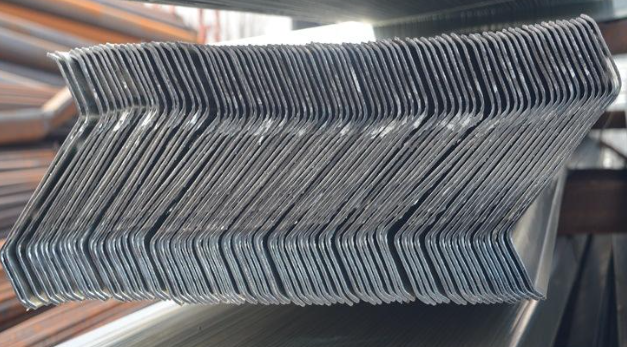
1. Construction field: As a structural component, Z-shaped steel is widely used in the construction field and is used to construct large industrial plants, stadiums, bridges, high-rise buildings, etc. Its excellent load-bearing performance and stability provide a safe and solid framework for the building.
2. Bridge engineering: Due to its high strength and stiffness, Z-shaped steel is often used to make bridge main beams and bridge decks. It can withstand a large amount of load and traffic pressure, ensuring the stability, durability and safety of the bridge.
3. Ship manufacturing: Due to its high strength and light weight, Z-shaped steel is an ideal hull structure material in ship manufacturing, which can meet the ship's needs for structural strength and weight reduction.
4. Machinery manufacturing: Z-shaped steel is also widely used in the field of mach inery manufacturing, such as making fixtures, workbenches, equipment brackets, etc. It can provide stable support and load-bearing to ensure the normal operation of mechanical Equipment.
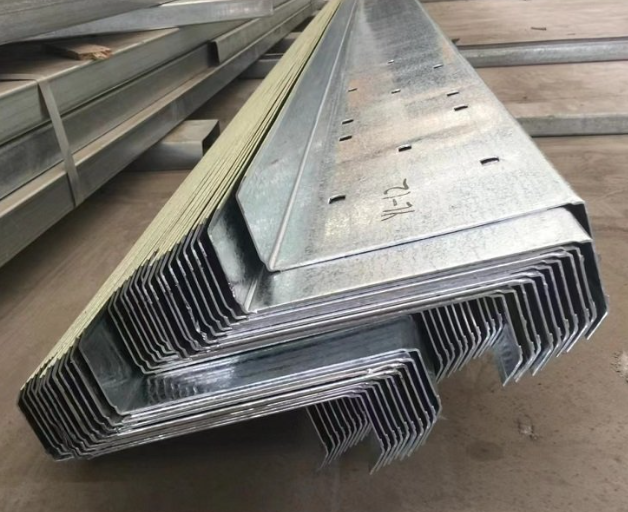
Z-shaped steel is characterized by its economical and reasonable cross-section, saving 38% to 50% of material, and its particular suitability for steep-slope roof purlins. It is widely used in steel structure building roof purlins, wall beams, photovoltaic supports, and lightweight roof trusses. Compared to C-shaped steel, the asymmetrical cross-section of Z-shaped steel gives it a greater advantage in steep-slope roof purlin applications. Currently, Z-shaped steel is continuously developing towards widespread galvanized corrosion protection, higher strength, and expansion into the photovoltaic field.



|

|

|

|

|
| Timely Info | Independent | Platform | Multiple guarantees | Self-operated storage |
China Steel Market
Empowering small and medium-scale steel purchasing

| About us | Channel | Useful tools |
|---|---|---|
| About China Steel Market | Prices | Steel Weight Calculation |
| Contact Us | Answers | Why Choose Us |
| Terms & Conditions | Inventory | |
| Privacy Policy | Help |
Hot search words:
China Rebar prices China Wire Rod Prices Welded Steel Pipe Prices