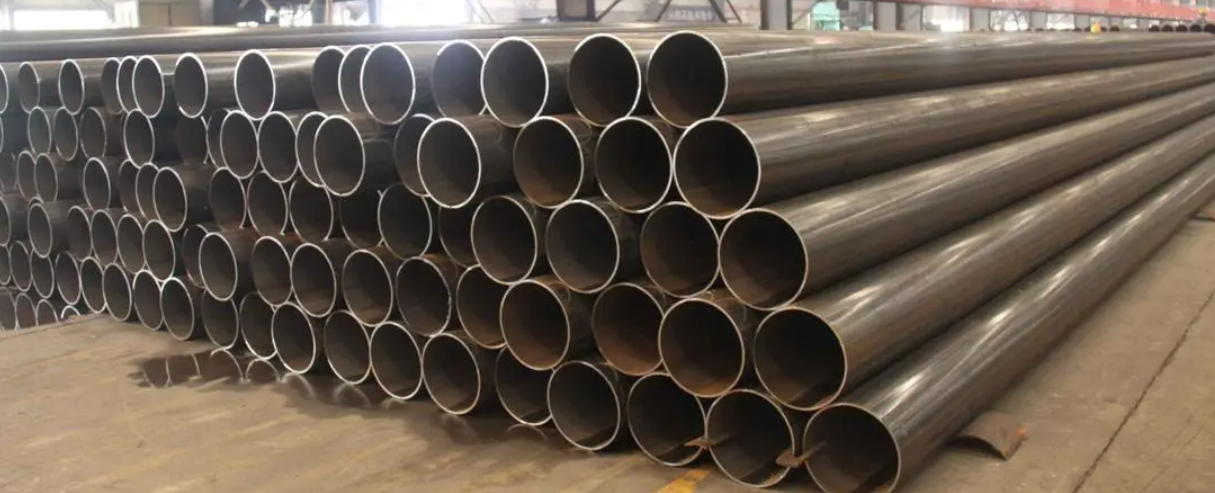

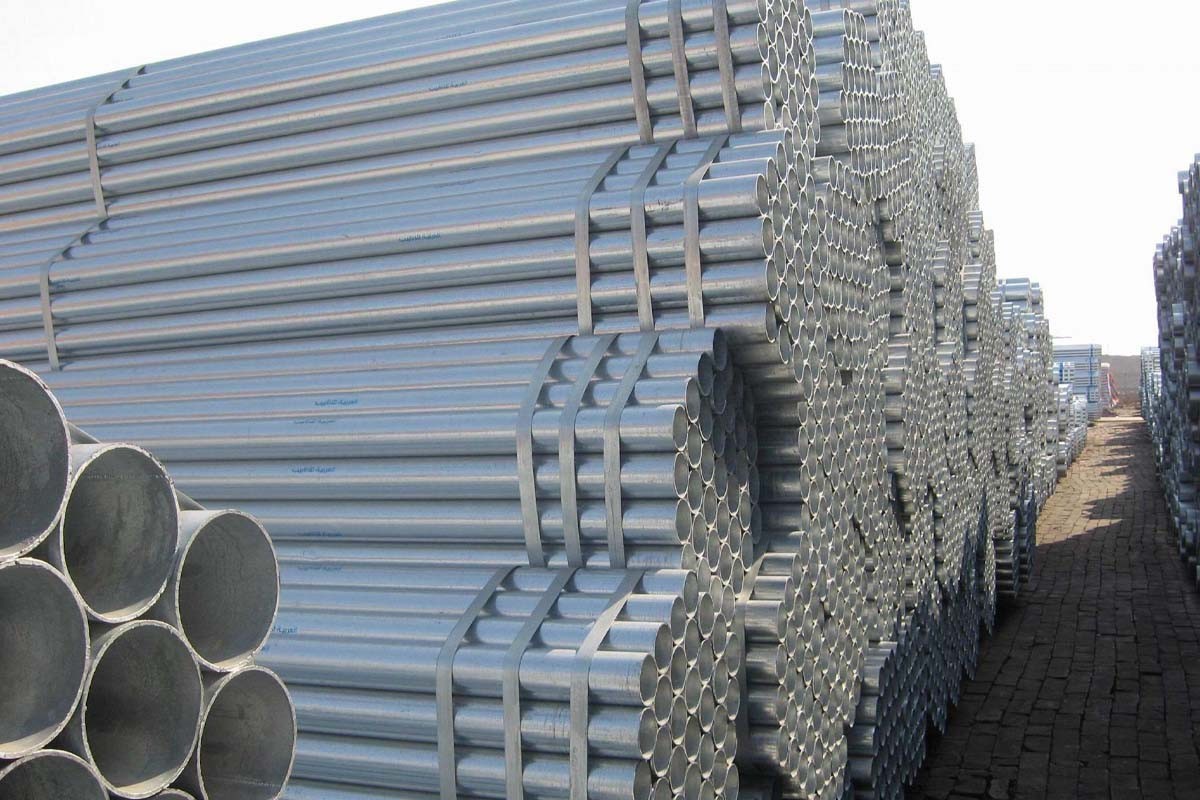
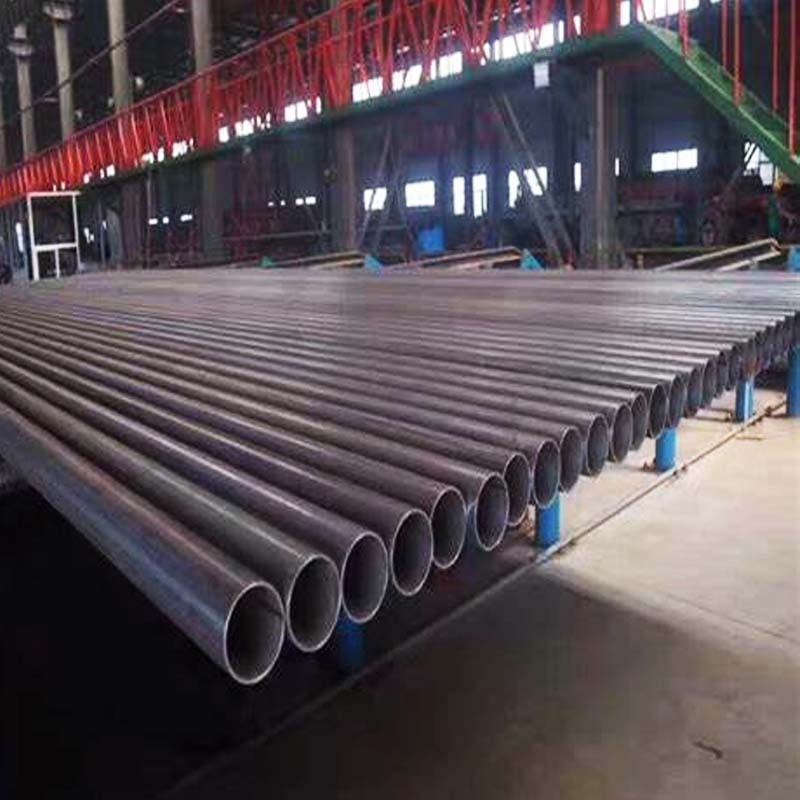
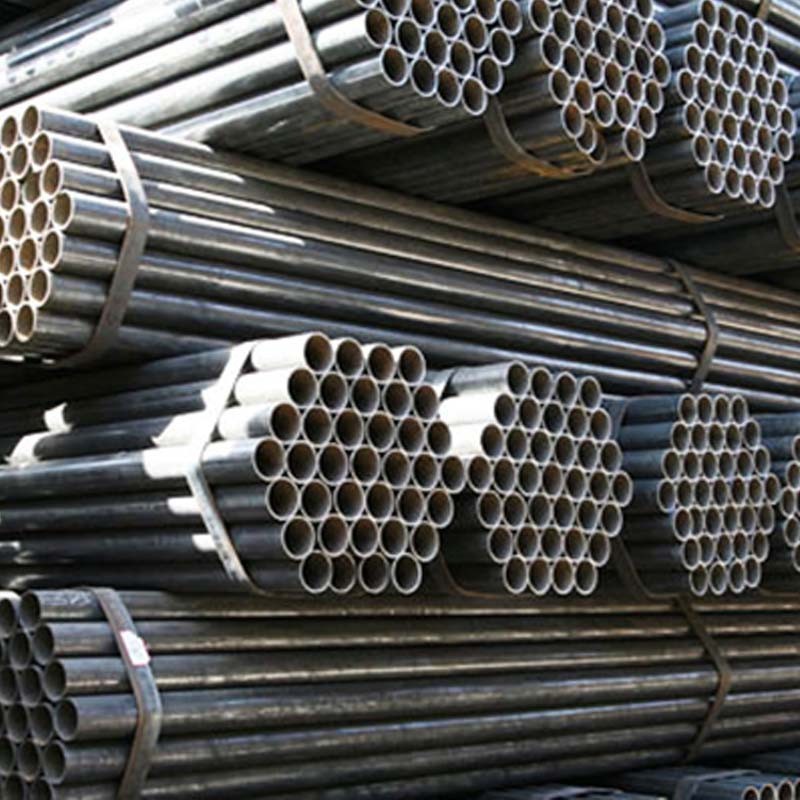
Welded Steel pipe refers to steel pipe made by bending hot-rolled or cold-rolled steel plates or strips into shape and then welding them with a straight seam on welding equipment. Its weld seam is parallel to the longitudinal direction of the steel pipe, which is the core characteristic distinguishing it from spiral welded pipe.
The core advantages of welded steel pipe are reflected in the following aspects:
Simple production process: The forming and welding processes are relatively simple, requiring less equipment investment.
High production efficiency: Continuous and automated production is possible, resulting in high output.
Low cost: High raw material utilization rate, with overall costs lower than seamless steel pipes.
Many varieties and specifications: A wide range of specifications from extremely small to large diameters can be produced.
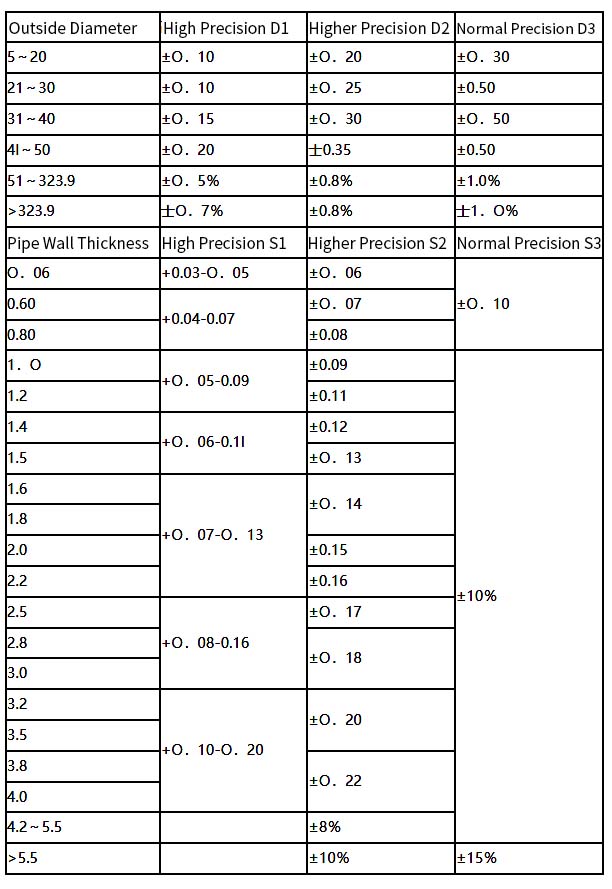
High dimensional accuracy: Especially for high-frequency resistance welded (ERW) steel pipes, the outer diameter is highly accurate, with good ovality, uniform wall thickness, and smooth inner and outer surfaces.
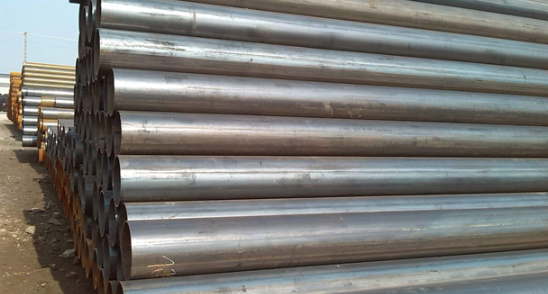
Production Process
1. High-Frequency Resistance Welding (ERW/HFW) Process
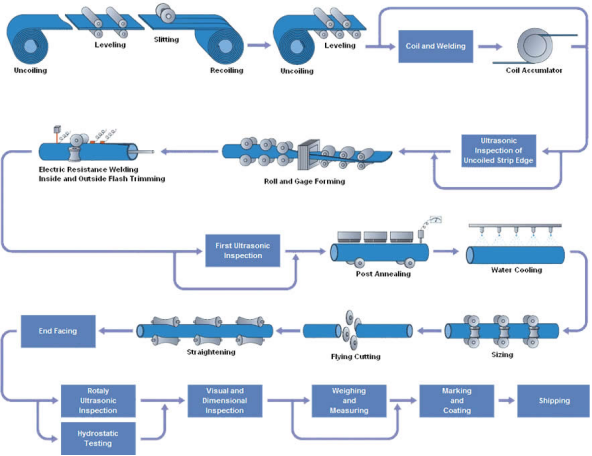
High-frequency resistance welding uses steel strip (coil) as raw material. The core process flow is:
Steel strip (coil) uncoiling → Leveling → Edge trimming → Forming (roll bending) → High-frequency welding → Weld treatment (scraping, heat treatment) → Sizing → Cutting → Inspection → Packaging
High-frequency welding is based on the principle of electromagnetic induction and utilizes the skin effect to achieve fillerless welding. In recent years, the forming process of ERW welded pipes has been continuously developing, with roll bending technology gradually moving towards greater flexibility.
2. Straight Seam Submerged Arc Welding (SAWL) Process
Straight seam submerged arc welding uses a single steel plate as raw material. The core process flow is as follows:
Steel plate → Ultrasonic testing (plate inspection) → Milling → Pre-bending → JCO/UO forming → Pre-welding → Inner welding (multi-wire submerged arc welding) → Outer welding (multi-wire submerged arc welding) → Diameter expansion → Testing (ultrasonic/X-ray flaw detection/magnetic particle) → Hydrostatic test → Corrosion protection treatment
Taking the JCO forming method as an example: After ultrasonic testing, the steel plate is milled and pre-bent to form a specific curvature, and then progressively stamped to complete the pipe body forming. The inner and outer welds are welded using longitudinal multi-wire submerged arc welding (up to four wires).
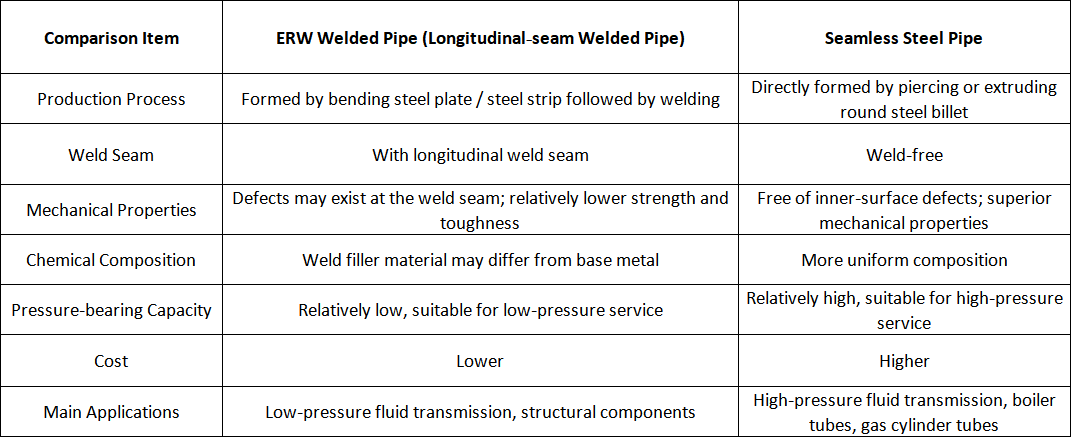
Key differences between welded steel pipe and seamless steel pipe
Core Performance Characteristics
1. Good Dimensional Accuracy
ERW welded steel pipes have high outer diameter accuracy, good ovality, uniform wall thickness, and smooth inner and outer surfaces. 1. Flexible length options: Straight seam welded pipes can be produced in any length from 4 to 20 meters, with a yield rate exceeding 95%.
2. Excellent mechanical properties: Straight seam welded pipes possess good bending and compressive strength. The short weld length minimizes the chance of defects. Dimensional accuracy and mechanical properties can be further improved through processes such as full-length diameter expansion.
3. Good processability: Straight seam welded pipes have low stiffness and are easy to bend, facilitating on-site construction and installation.
4. High-quality weld: Straight seam submerged arc welded pipes utilize a double-sided submerged arc welding process, ensuring reliable weld quality. High-frequency welded pipes do not require filler metal during welding, resulting in rapid heating and a small heat-affected zone.
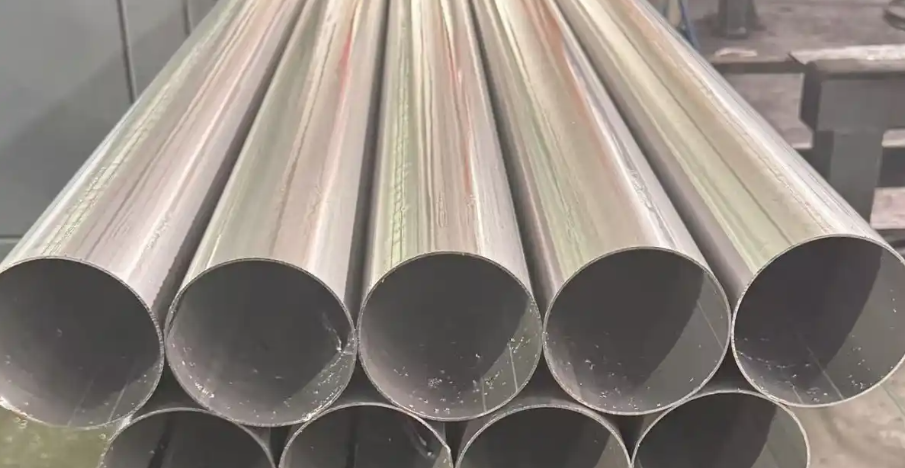
Welded steel pipes, with their core advantages of simple production processes, low cost, and high dimensional accuracy, are widely used in fluid transportation, building structures, machinery manufacturing, and energy and power industries, and are continuously developing towards higher strength, process innovation, and product diversification. Compared to seamless steel pipes, straight seam welded pipes have welds and lower pressure resistance, but offer significant cost advantages, making them suitable for low-pressure applications.



|

|

|

|

|
| Timely Info | Independent | Platform | Multiple guarantees | Self-operated storage |
China Steel Market
Empowering small and medium-scale steel purchasing

| About us | Channel | Useful tools |
|---|---|---|
| About China Steel Market | Prices | Steel Weight Calculation |
| Contact Us | Answers | Why Choose Us |
| Terms & Conditions | Inventory | |
| Privacy Policy | Help |
Hot search words:
China Rebar prices China Wire Rod Prices Welded Steel Pipe Prices