
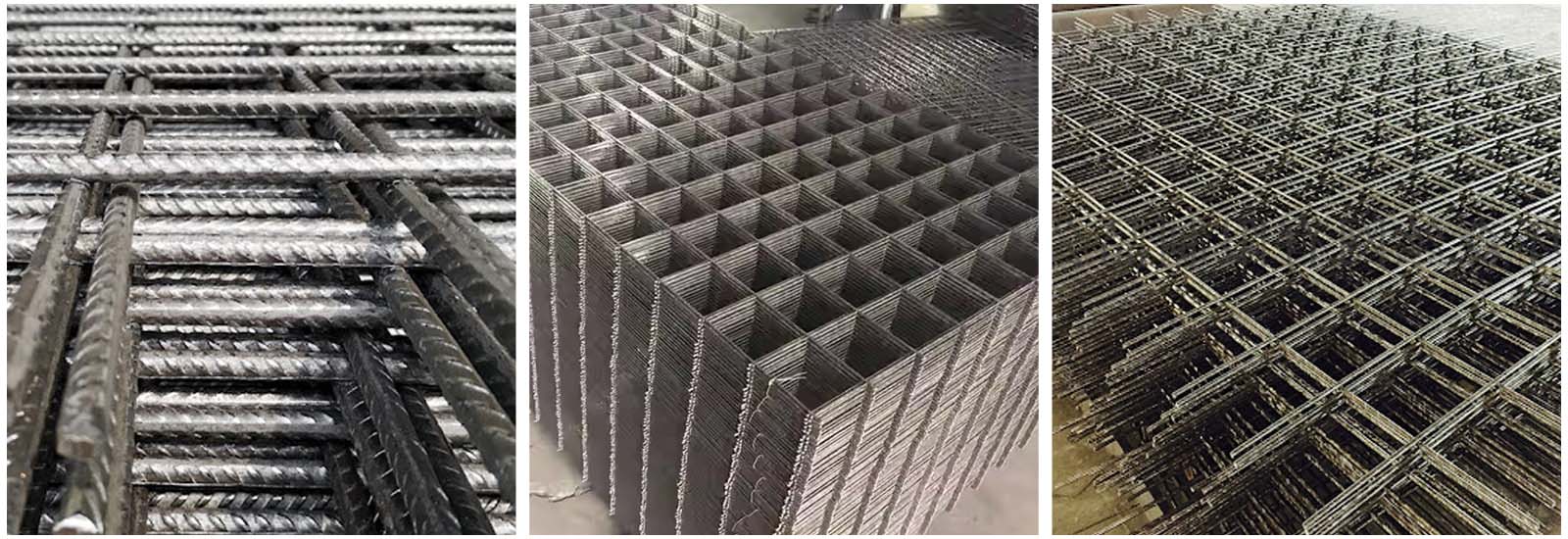
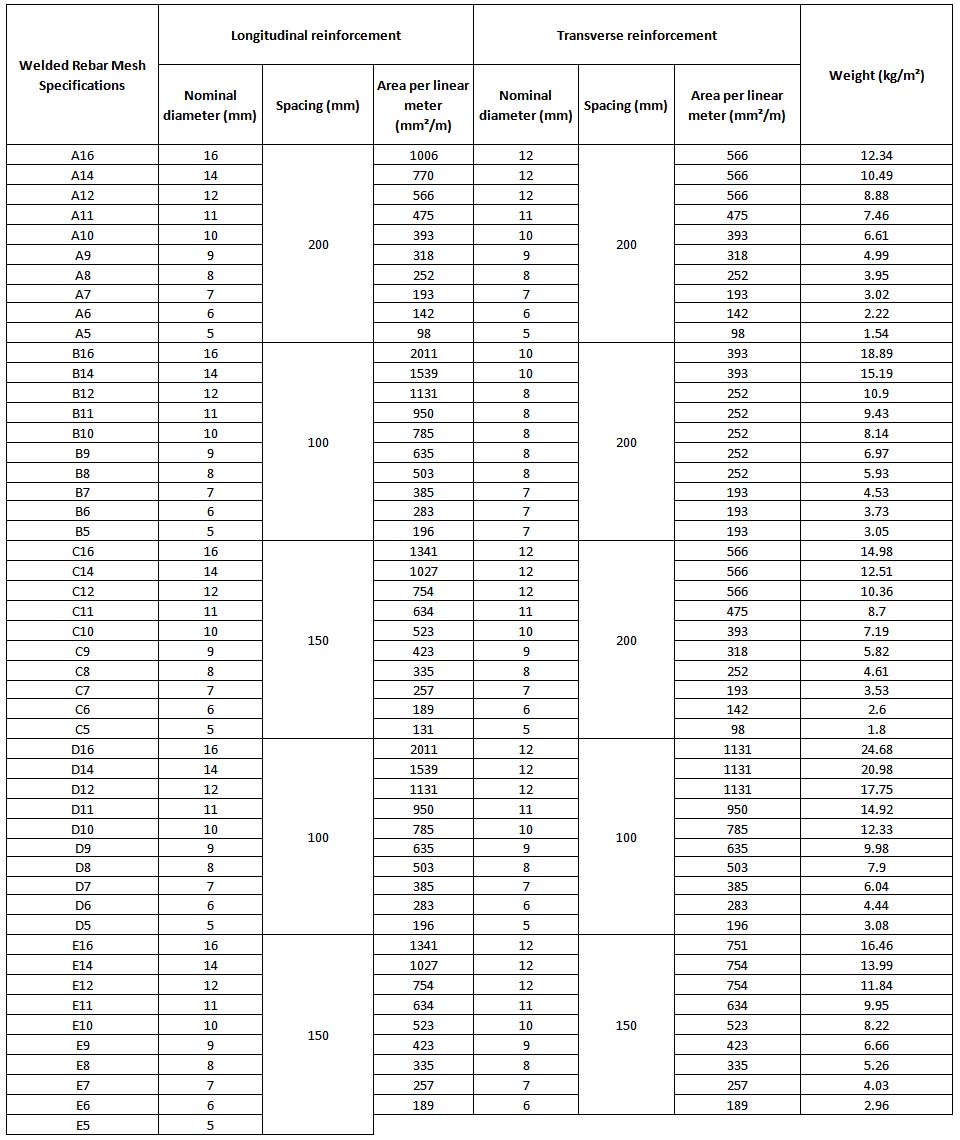
Welded steel mesh—also known as welded rebar mesh or steel reinforcement mesh—is a construction material formed by arranging longitudinal and transverse steel bars orthogonally and joining them via resistance spot welding. This process creates a grid-like structure with square or rectangular openings. Based on raw materials, it is categorized into three types: cold-rolled ribbed wire, cold-drawn plain wire, and hot-rolled ribbed wire, with cold-rolled ribbed wire being the most widely used. It is further classified into two types—standardized mesh and custom-made mesh—based on steel grade, diameter, length, and spacing.
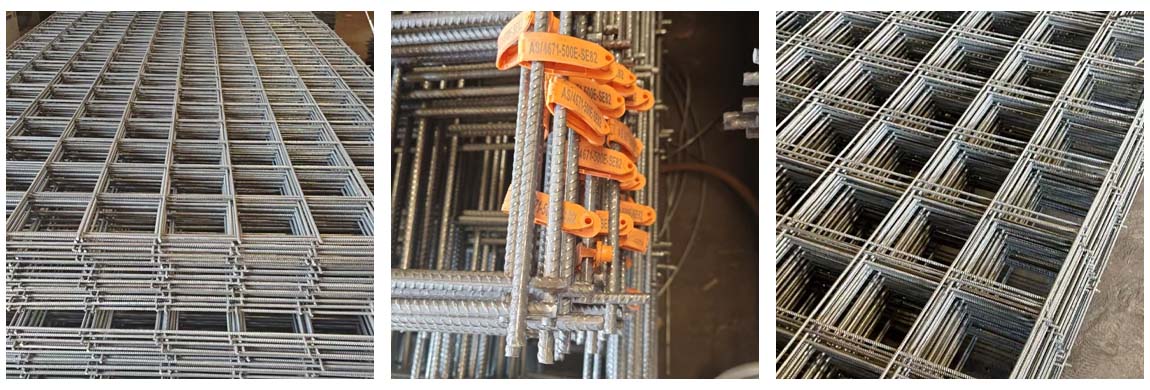
The steel wires are joined using resistance welding or spot welding techniques, ensuring a secure connection at every intersection. The product is available in a variety of wire diameters, mesh opening sizes, and sheet specifications to meet diverse construction requirements. One of the key advantages of welded steel mesh is its ease of installation. It is typically supplied in large sheets or rolls, facilitating efficient laying and reducing labor time. Additionally, the mesh can be cut and shaped using simple tools to suit specific project needs.
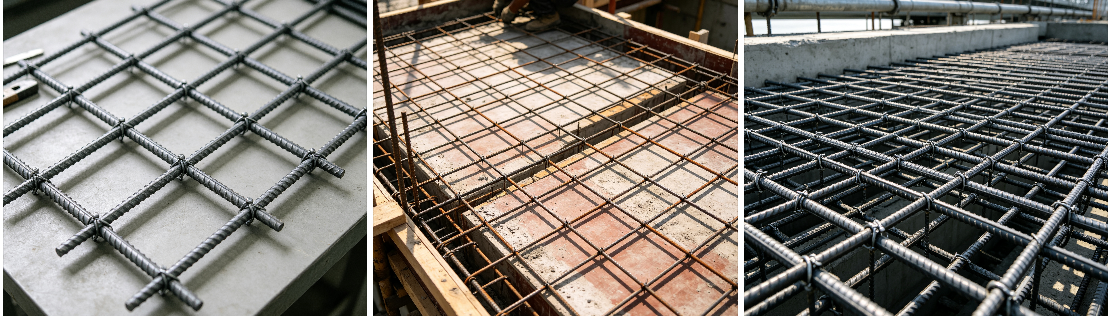
Beyond its primary use in concrete reinforcement, welded steel mesh is widely utilized in other sectors. It is commonly employed for industrial fencing, animal enclosures, and safety barriers, as well as serving as a support structure for plaster or stucco finishes. Its versatility and high strength make it a vital material in numerous construction and industrial applications.
Welded steel mesh is primarily used in construction projects such as coal mine roadway reinforcement, concrete pavements, bridge deck surfacing, airport runways, tunnel linings, and structural elements like floor slabs, roofs, walls, and ground floors, as well as in concrete pipes and piles. It is particularly valuable in reinforced concrete structures, providing enhanced strength, stability, and durability to components such as slabs, walls, and columns. The mesh reinforces the structure by distributing tensile forces throughout the assembly, thereby preventing cracking and improving overall structural integrity. The wires used to manufacture the mesh are typically made of low-carbon steel or stainless steel, offering high strength and corrosion resistance.
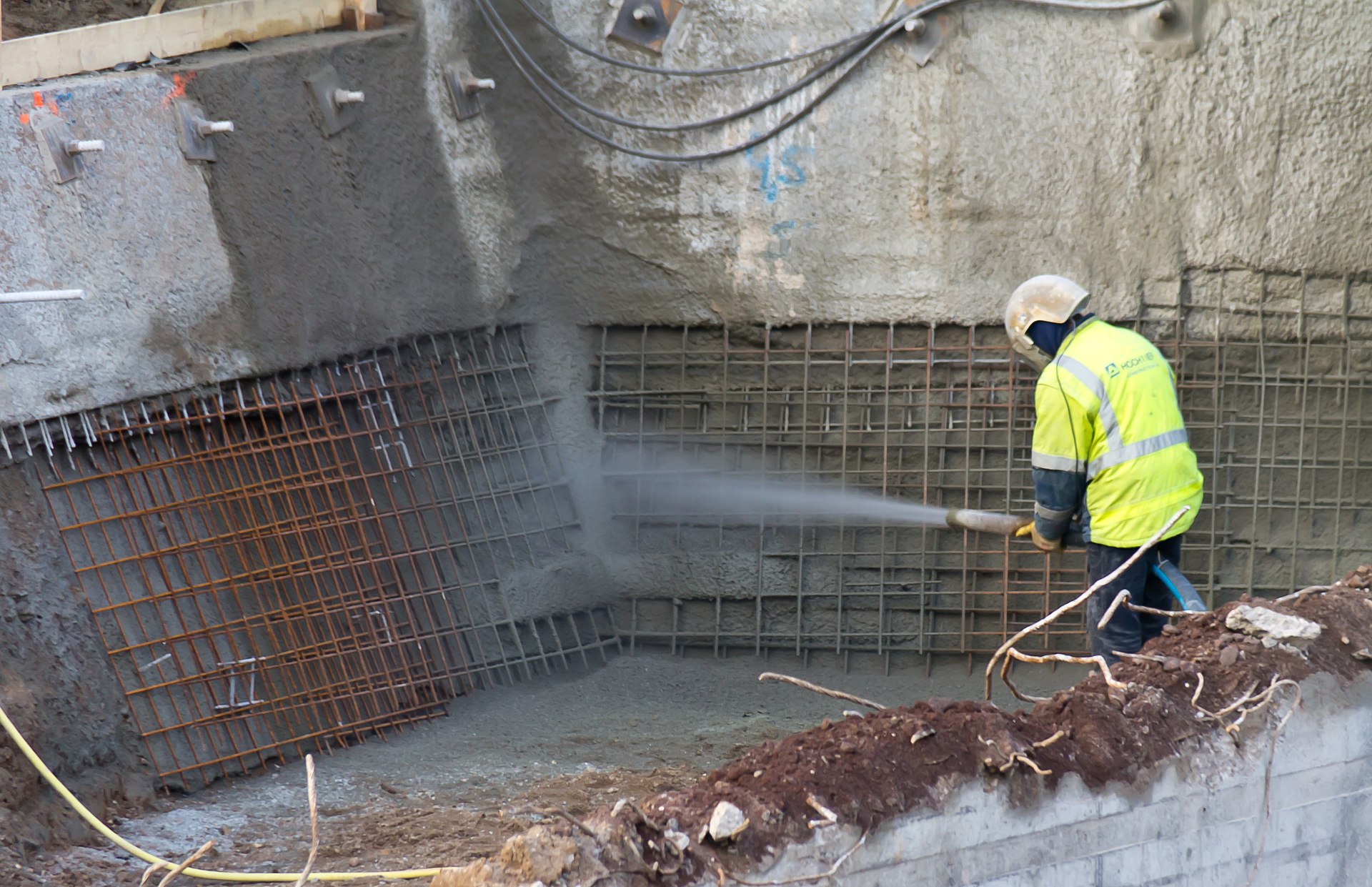
In summary, welded steel mesh offers a cost-effective and reliable solution for concrete reinforcement and a wide range of other construction applications. Thanks to its strength, durability, and ease of installation, it has become a popular choice for engineers, contractors, and builders looking to enhance the structural integrity of their projects.
In different countries, there will be many different standards for welded steel wire mesh. Here are some of the standards for welded steel wire mesh in China, the United States, the United Kingdom, Japan, and Canada.
China Standard:
In China, the primary standard for welded steel wire mesh is GB/T 1499.3-2022.
This standard specifies the requirements for cold-rolled ribbed steel wires used in welded mesh for concrete reinforcement. It covers various aspects such as wire diameter, tensile strength, weld strength, and dimensional tolerances.
American standard:
In the United States, the primary standard for welded wire mesh is ASTM A185/A185M-07.
This standard covers welded steel wire mesh for concrete reinforcement and includes various specifications such as wire gauge, mesh size, and yield strength requirements.
ASTM A497/A497M-07a is another relevant standard that specifically covers welded wire fabric for concrete reinforcement.
British Standards:
In the United Kingdom, the main standard for welded steel wire mesh is BS 4483:2005. This standard specifies the requirements for steel fabric for the reinforcement of concrete. It includes specifications for wire diameter, mesh size, and tensile strength, as well as dimensional tolerances.
Japanese Standards:
In Japan, the primary standard for welded steel wire mesh is JIS G 3114:2008.
This standard specifies welded steel wire mesh for concrete reinforcement and covers various aspects such as wire diameter, mesh size, weld strength, and dimensional tolerances.
Canadian Standard:
In Canada, the main standard for welded steel wire mesh is CSA G30.5-12.
This standard provides the requirements for welded wire mesh for concrete reinforcement. It includes specifications for wire diameter, mesh size, tensile strength, and dimensional tolerances.
Copyright Notice © 2022 - 2023 ChinaSteelMarket.com All rights reserved.