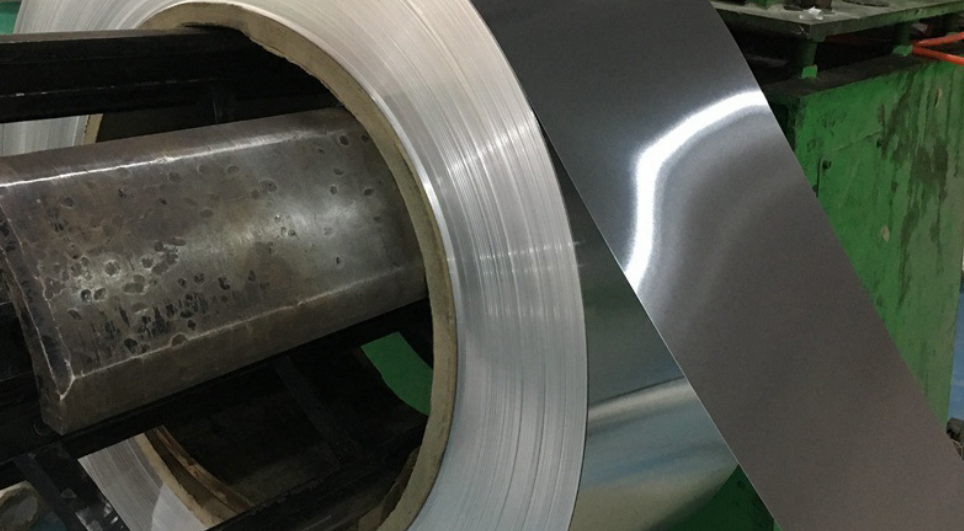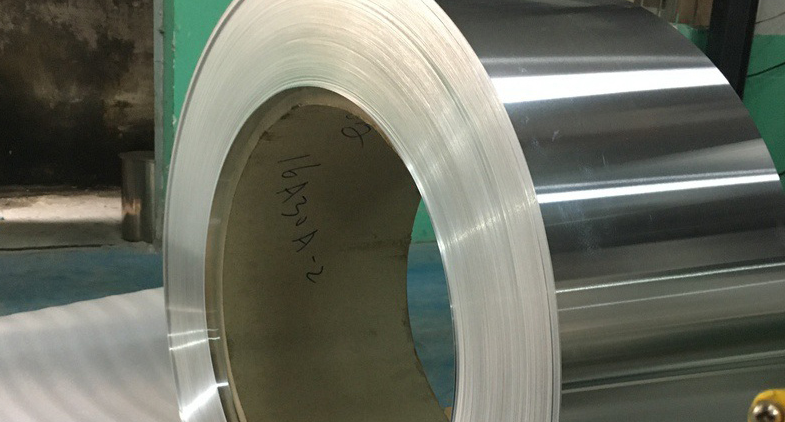

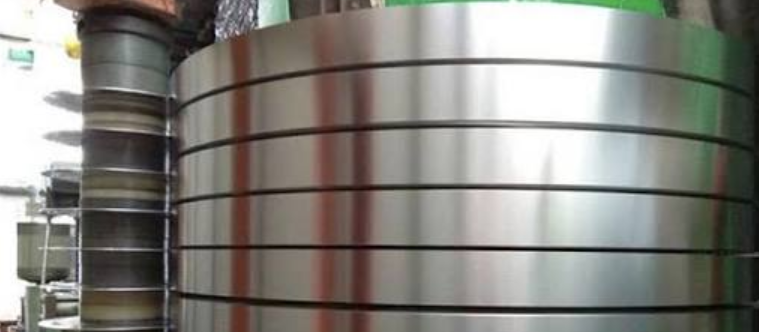
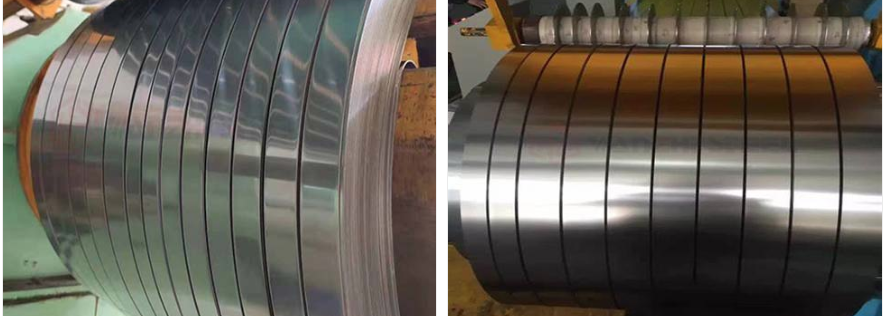
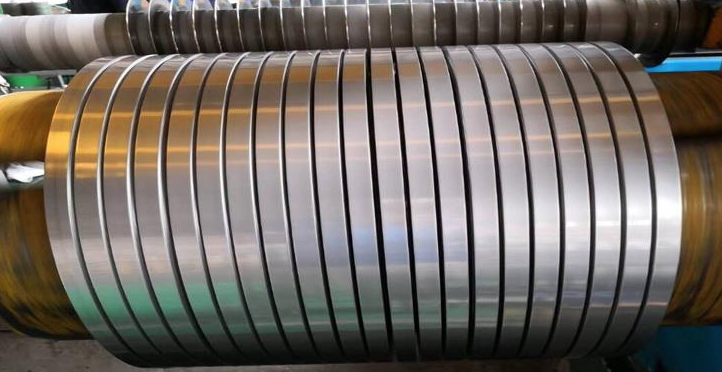
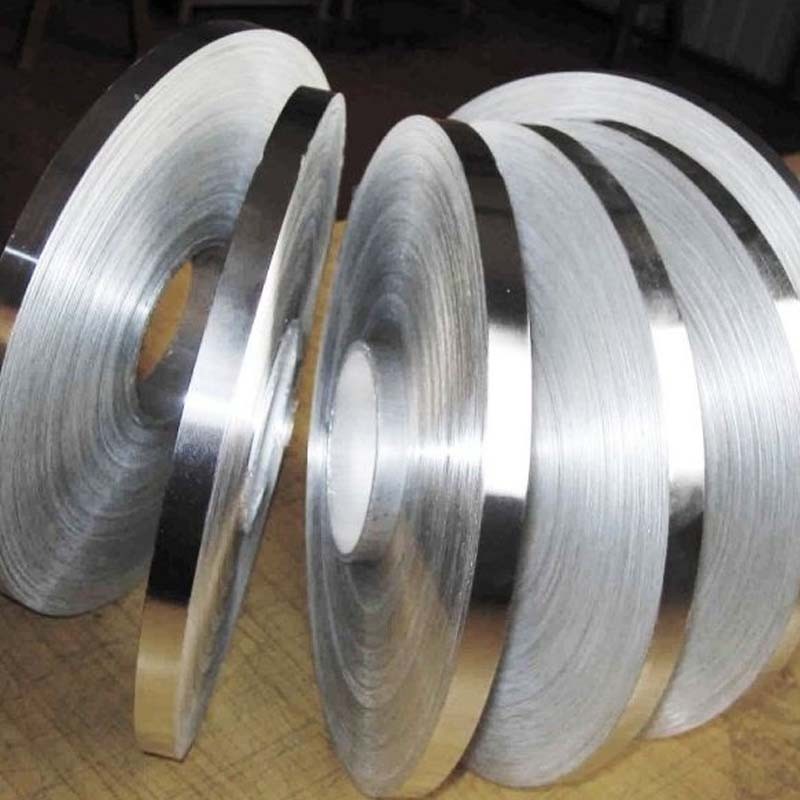
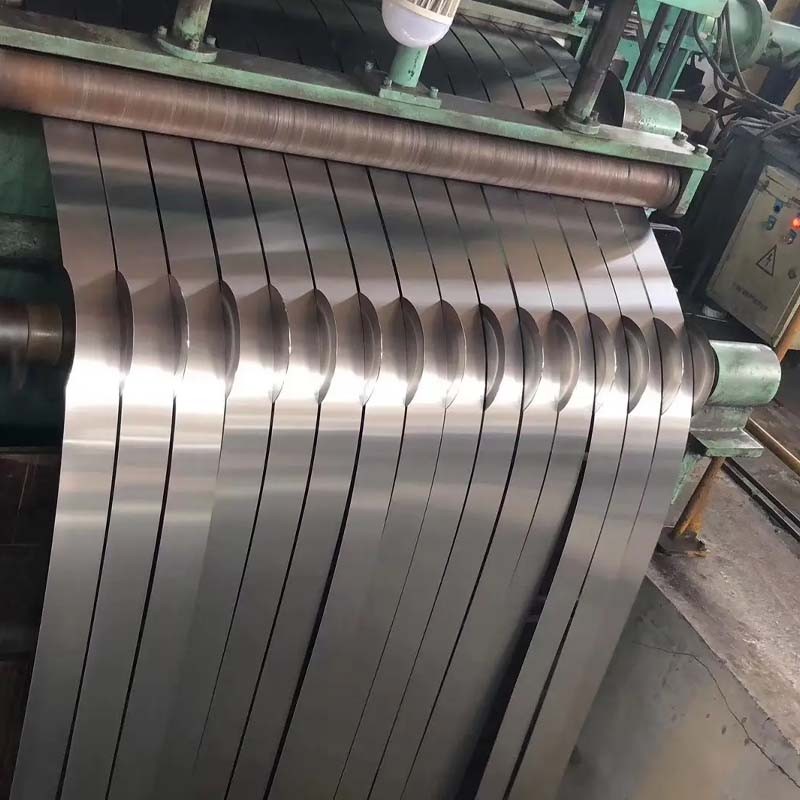
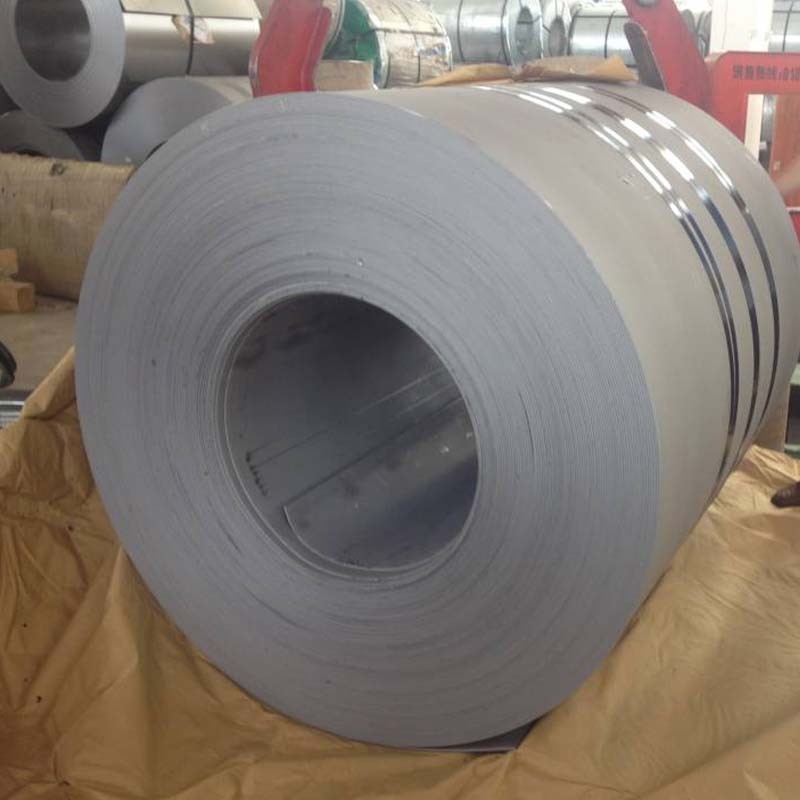
Hot-rolled stainless steel strip is a strip product made from hot-rolled stainless steel strip as raw material through further hot rolling. Its product forms include steel plates, flat coils, and slit strips.
Compared to cold-rolled strip, hot-rolled stainless steel strip has higher dimensional accuracy, lower surface roughness, better surface quality, a smoother finish, and higher strength. Therefore, thinner hot-rolled strip can replace thicker cold-rolled strip for the same application, achieving steel savings and significant economic benefits.
The most significant characteristics of hot-rolled stainless steel strip are its low hardness, ease of processing, and good ductility; therefore, it is often used as a raw material for manufacturing thin sheets.
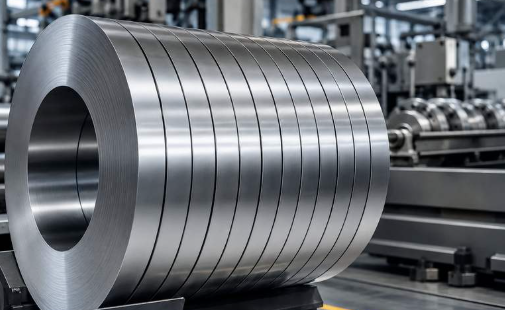
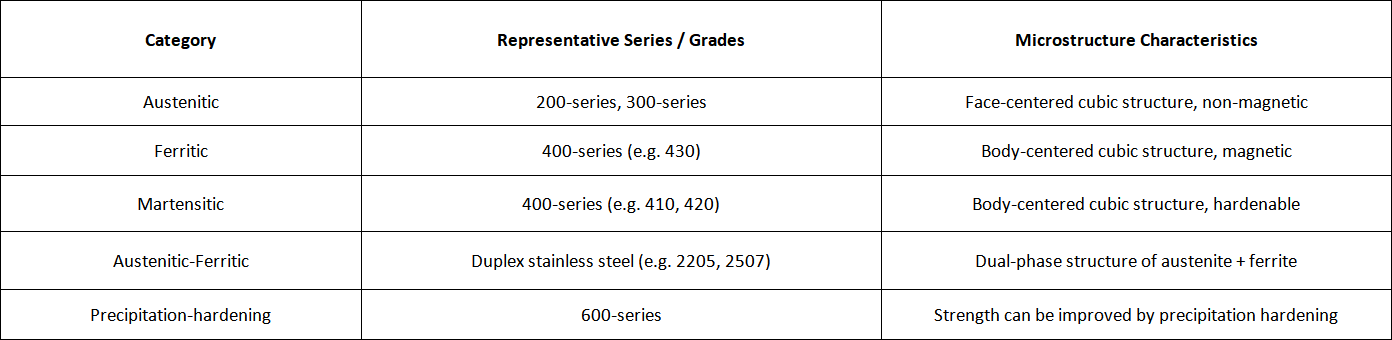
Hot-rolled stainless steel strip is classified into five types according to its microstructure: austenitic, austenitic-ferritic, ferritic, martensitic, and precipitation-hardening.
Classification by Product Width
According to national standards, hot-rolled stainless steel strip is classified into:
Wide Steel Strip: Wide steel strips and their rolled lengths.
Narrow Steel Strip: Narrow steel strips and their rolled lengths.
Slit Wide Steel Strip: Wide steel strips after slitting.
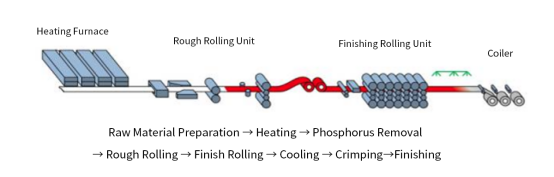
Hot-Rolled: Hot-rolled stainless steel strip is produced by a hot rolling mill, with a thickness of 1.80mm-6.00mm and a width of 50mm-1200mm. Hot-rolled stainless steel strip has many advantages such as low hardness, easy processing, and good ductility. Its production process is as follows: pickling, high-temperature rolling, process lubrication, annealing, leveling, precision cutting, and packaging.
Cold-Rolled: Made from stainless steel strip or stainless steel coil as raw material, rolled at room temperature using a cold rolling mill. Standard thicknesses range from 0.1mm to 3mm, and widths from 100mm to 2000mm.
Cold-rolled stainless steel strip offers numerous advantages, including a smooth and flat surface, high dimensional accuracy, and excellent mechanical properties. It can be rolled or processed into coated steel sheets. The production process involves pickling, room temperature rolling, process lubrication, annealing, leveling, precision cutting, and packaging.
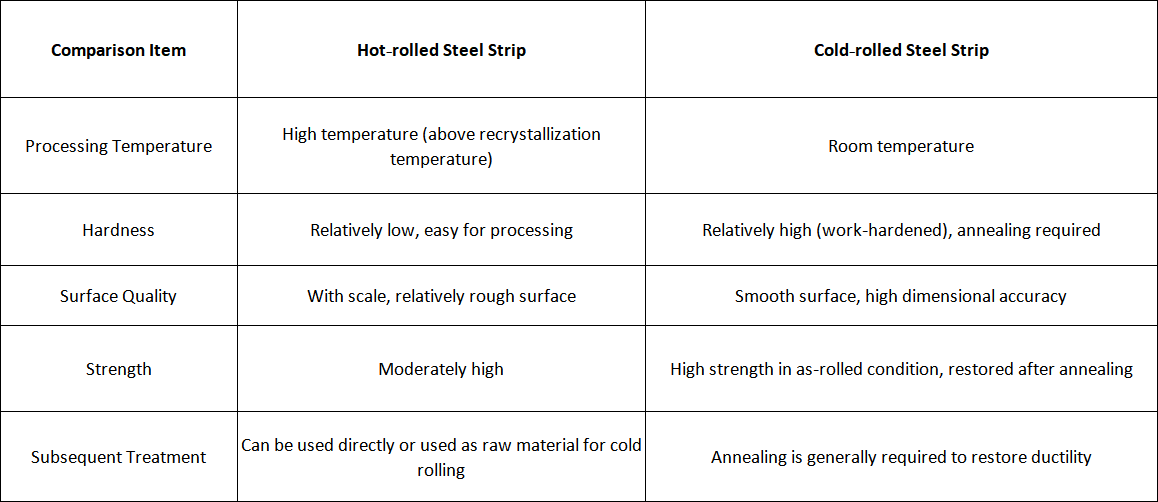
1. Cold-rolled stainless steel strip has better strength and yield strength, while hot-rolled stainless steel strip has better ductility and toughness.
2. Cold-rolled stainless steel strip is ultra-thin, while hot-rolled stainless steel strip is relatively thick.
3. The surface quality, appearance, and dimensional accuracy of cold-rolled stainless steel strip are superior to those of hot-rolled stainless steel strip.
1. Good Machinability: Low hardness, easy to process, and excellent ductility.
2. Significant Economic Efficiency: Thinner hot-rolled strip can replace thicker cold-rolled strip, achieving steel savings.
3. Good Surface Quality: Compared to ordinary hot-rolled products, it has higher dimensional accuracy and lower surface roughness.
4. High Strength: High strength can be obtained through hot rolling.
1. Automobile Manufacturing: Hot-rolled steel strip is widely used in the automobile manufacturing industry to manufacture body, frame, door, and other components. Its high strength and wear resistance can improve the safety and service life of the car.
2. Construction Engineering: Hot-rolled steel strip is used for structural parts in construction engineering, such as beams, columns, bridges, etc. Its high strength and plasticity can meet the strength and shape requirements of construction engineering.
3. Petrochemical Industry: Hot-rolled steel strip is used in the manufacture of pipes, containers, and other equipment in the petrochemical industry. Its corrosion resistance can meet the needs of the petrochemical industry for corrosion-resistant materials.
4. Machinery Manufacturing: Hot-rolled steel strip is used in the manufacture of pipes, containers, and other equipment in the petrochemical industry. Its corrosion resistance can meet the needs of the petrochemical industry for corrosion-resistant materials. rolled steel strips are used in various machinery and equipment in the machinery manufacturing industry, such as pressure vessels, machine tools, etc. Its high strength and weldability can improve the service life and safety of mechanical equipment.
5. Hot-rolled steel strips in the aerospace field are used in the manufacture of aerospace fields, such as aircraft structural parts, engine parts, etc. Its high strength and light weight can improve aircraft performance and fuel efficiency.
6. Hot rolled strip steel in the electric power industry is used in the manufacture of transmission towers, substations and other equipment in the electric power industry. Its high strength and corrosion resistance can meet the requirements of the power industry for material strength and durability.
Hot rolled strip steel has the characteristics of high strength, good plasticity, excellent welding performance, strong wear resistance and good corrosion resistance, and is widely used in automobile manufacturing, construction engineering, petrochemical, machinery manufacturing, aerospace, electric power and other industries. With the continuous advancement of science and technology and continuous improvement of technology, hot rolled strip steel will be more widely used in various industries and make greater contributions to the development and progress of society.




|

|

|

|

|
| Timely Info | Independent | Platform | Multiple guarantees | Self-operated storage |
China Steel Market
Empowering small and medium-scale steel purchasing

| About us | Channel | Useful tools |
|---|---|---|
| About China Steel Market | Prices | Steel Weight Calculation |
| Contact Us | Answers | Why Choose Us |
| Terms & Conditions | Inventory | |
| Privacy Policy | Help |
Hot search words:
China Rebar prices China Wire Rod Prices Welded Steel Pipe Prices