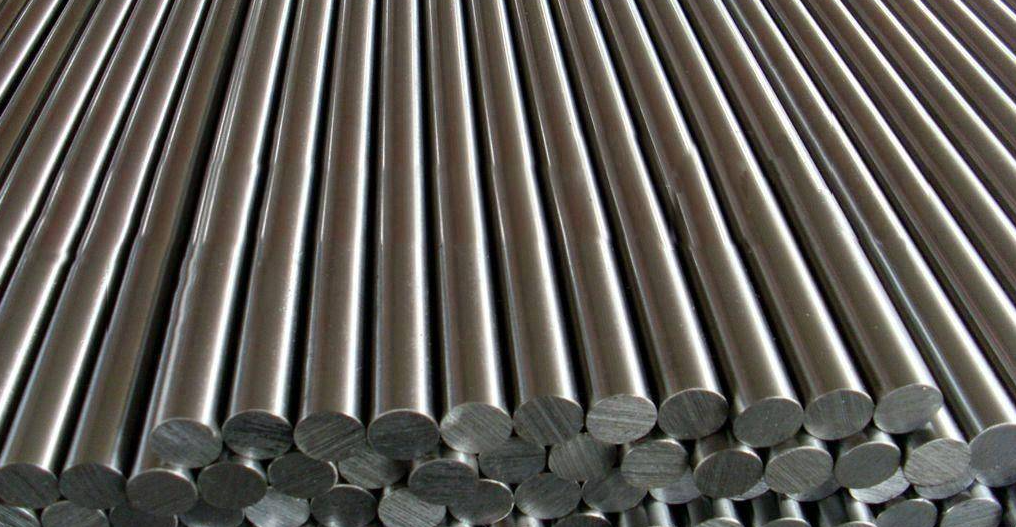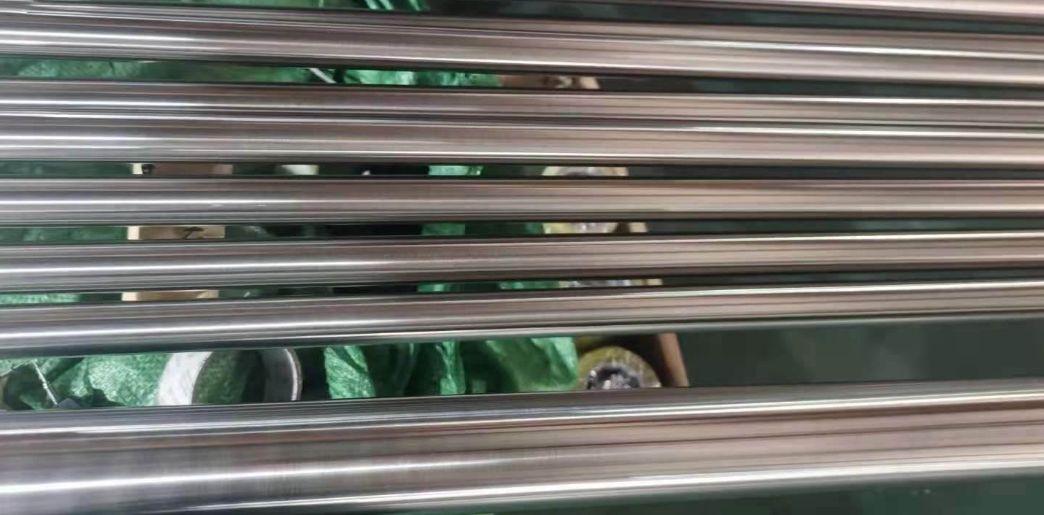

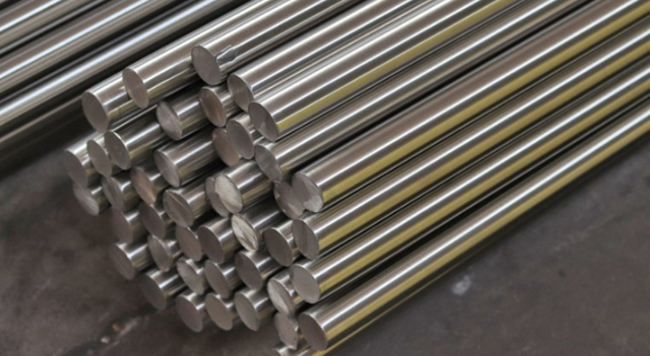
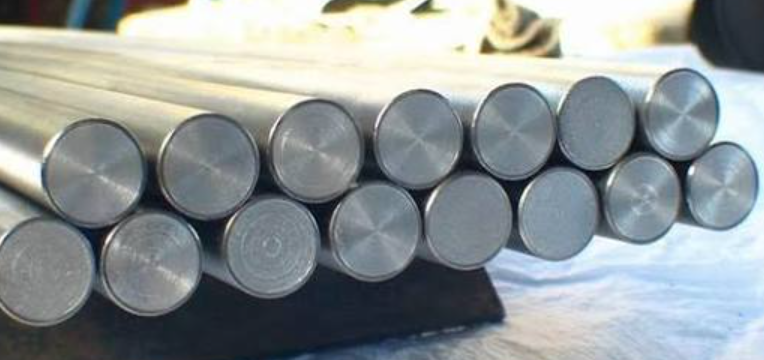
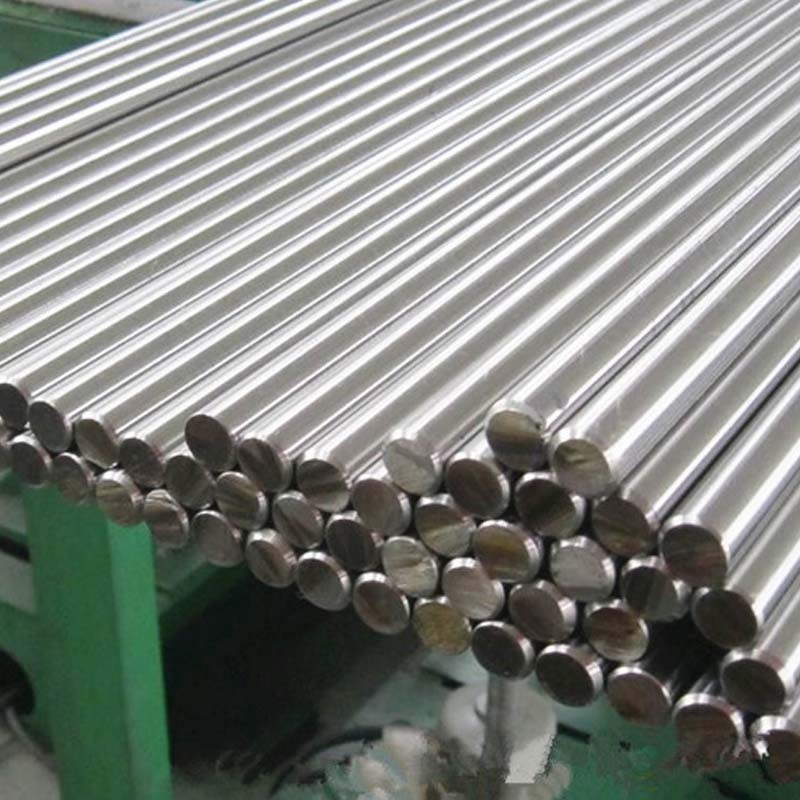
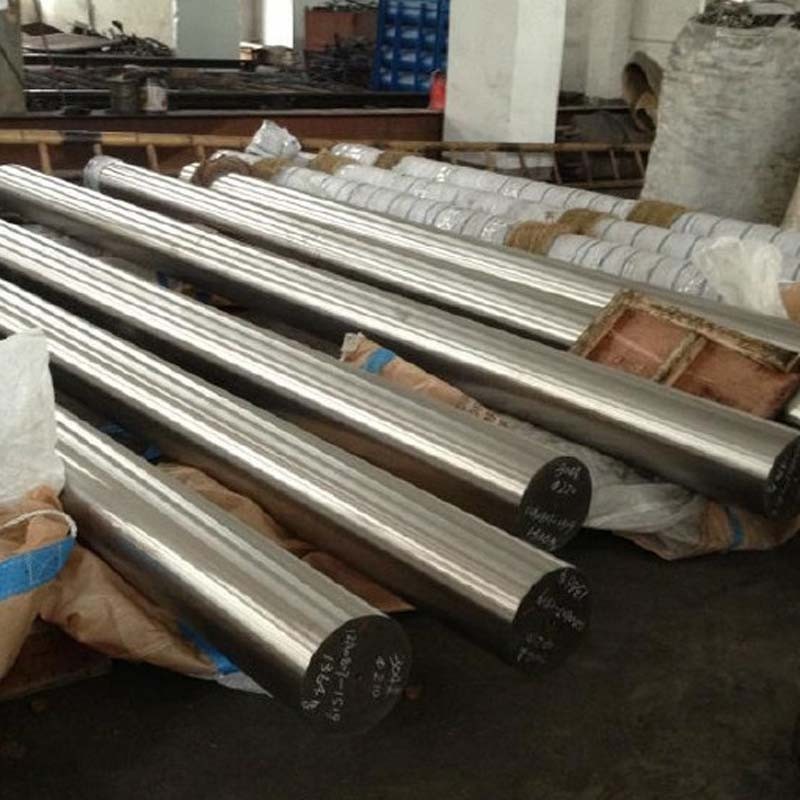
Stainless steel round bar refers to solid, long stainless steel stock with a uniform circular cross-section. Classified as a long product or bar stock, it is one of the most widely used stainless steel profiles. These bars typically come in lengths of approximately four meters and are categorized into "bright bars" and "black bars." Bright bars feature a smooth surface achieved through precision rolling, whereas black bars have a rough, dark surface resulting from direct hot rolling.
Common material grades include 301, 304, 303, 316, 316L, 304L, 321, 2520, 201, and 202. Specifications are designated by diameter; for example, "50" indicates a round bar with a diameter of 50 mm. Round bars are produced via three methods: hot rolling, forging, and cold drawing.
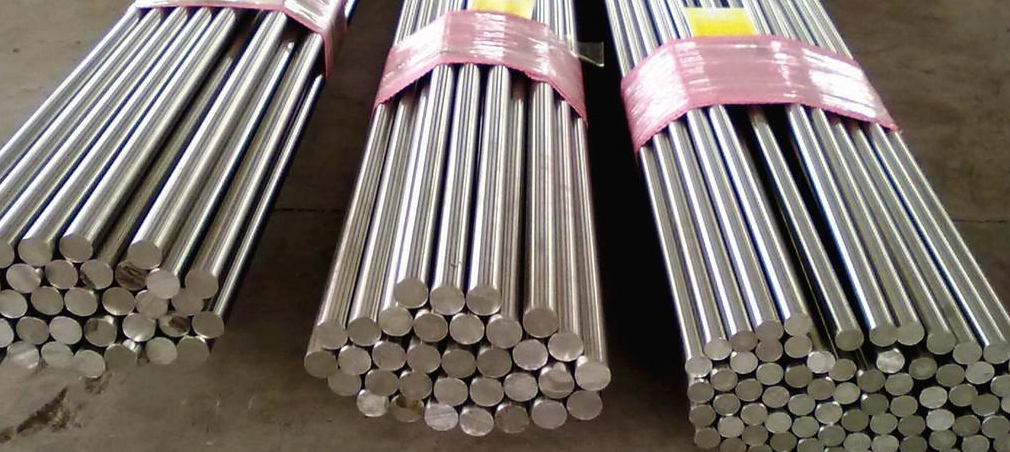
1. 310S Stainless Steel Round Bar
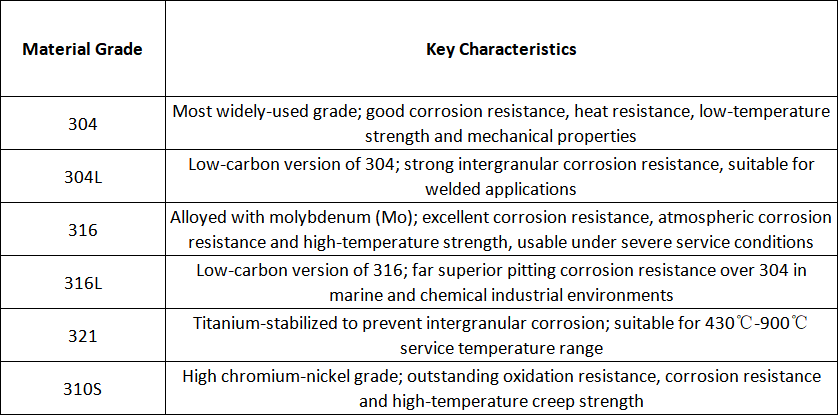
Characteristics: 310S is an austenitic chromium-nickel stainless steel offering excellent oxidation and corrosion resistance. Due to its high chromium and nickel content, it possesses superior creep strength and is capable of continuous operation at high temperatures.
2. 316L Stainless Steel Round Bar
Characteristics: Cold-rolled products feature an attractive, glossy finish. The addition of Molybdenum (Mo) provides excellent corrosion resistance, particularly against pitting. It offers excellent high-temperature strength and work-hardening properties (becoming weakly magnetic after processing), while remaining non-magnetic in the solution-annealed state.
3. 316 Stainless Steel Round Bar
Characteristics: 316 is the second most widely used stainless steel grade after 304, commonly utilized in the food industry and for surgical instruments. The addition of Molybdenum (Mo) imparts exceptional corrosion resistance (including atmospheric corrosion resistance) and high-temperature strength, making it suitable for use under harsh conditions. It features excellent work-hardening properties and is non-magnetic.
4. 321 Stainless Steel Round Bar
Characteristics: Titanium (Ti) is added to 304-grade steel to prevent intergranular corrosion, making it suitable for applications within the 430°C–900°C temperature range. Apart from the reduced risk of weld corrosion due to the addition of titanium, its other properties are similar to 304.
5. 304L Stainless Steel Round Bar
Properties: 304L is a low-carbon variant of 304 stainless steel, designed for applications requiring welding. The lower carbon content minimizes carbide precipitation in the heat-affected zone near the weld; such precipitation can otherwise lead to intergranular corrosion (weld decay) in certain environments.
6. 304 Stainless Steel Round Bar
Characteristics: 304 is the most widely used chromium-nickel stainless steel, offering good corrosion resistance, heat resistance, low-temperature strength, and mechanical properties. It is corrosion-resistant in atmospheric conditions, though timely cleaning is required in industrial atmospheres or heavily polluted areas to prevent corrosion.
1. Hot Rolling Method
Process: Billet heating → Rough rolling → Finish rolling → Cooling → Straightening → Cutting to length
Size range: Φ5.5–250mm
Characteristics: High production efficiency, relatively low cost; surface features an oxide layer ("black bar").
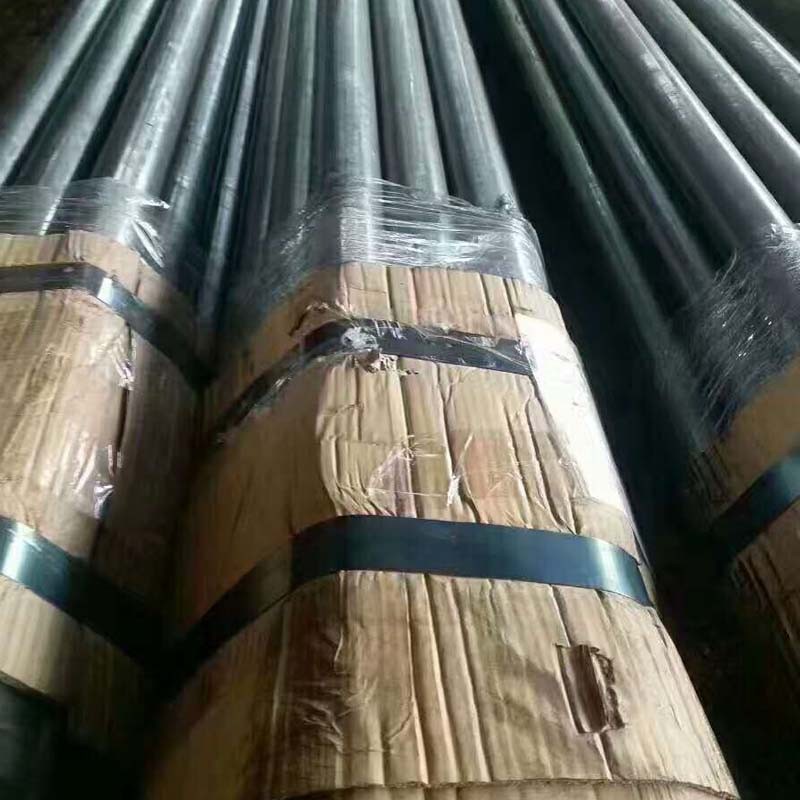
Applications: Small sizes (Φ5.5–25mm) are typically supplied in straight-bar bundles for use as rebar, bolts, and mechanical parts; larger sizes (>25mm) are primarily used for mechanical parts or as billets for seamless steel pipes.
2. Forging Method
Characteristics: Suitable for large diameters, special specifications, or products requiring high internal quality.
Surface: "Black bar" condition.
3. Cold Drawing Method
Process: Hot-rolled billet → Peeling → Cold drawing → Polishing
Size range: Φ2–50mm
Characteristics: High dimensional accuracy and smooth surface finish ("bright bar" or "silver-bright bar"); suitable for precision parts.
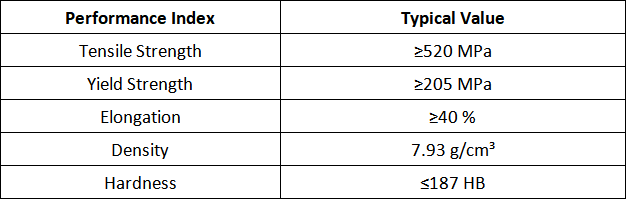
304 Stainless Steel Round Bar Properties (Representative of the general-purpose grade)
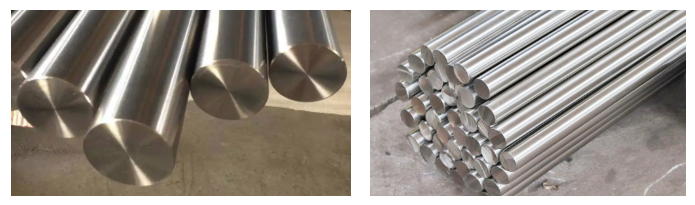
Bright stainless steel round bars are durable, easy to clean, and compatible with excellent welding and surface finishing processes. Typical applications include:
1. Food processing equipment.
2. Laboratory workbenches and equipment.
3. Marine fittings.
4. Chemical containers (including transport containers).
5. Heat exchangers.
6. Threaded fasteners.
In addition, stainless steel round bars are used in hydraulic systems to achieve a more reliable internal structure. In such applications, they exhibit excellent resistance to deformation and wear.In addition, stainless steel round bars are used in hydraulic systems to achieve a more reliable internal structure. In such applications, they exhibit excellent resistance to deformation and wear.
The core advantages of stainless steel round bars lie in their wide range of specifications (Φ2–250 mm), diverse material options, excellent corrosion resistance, and high strength. Specifications are designated by diameter (e.g., Φ50), and the theoretical weight is calculated using the formula: D(mm) × D(mm) × 0.00617 kg/m.
Widely used in sectors such as petrochemicals, machinery manufacturing, food and pharmaceuticals, marine engineering, and aerospace, stainless steel round bars are indispensable fundamental materials in industrial manufacturing.






|

|

|

|

|
| Timely Info | Independent | Platform | Multiple guarantees | Self-operated storage |
China Steel Market
Empowering small and medium-scale steel purchasing

| About us | Channel | Useful tools |
|---|---|---|
| About China Steel Market | Prices | Steel Weight Calculation |
| Contact Us | Answers | Why Choose Us |
| Terms & Conditions | Inventory | |
| Privacy Policy | Help |
Hot search words:
China Rebar prices China Wire Rod Prices Welded Steel Pipe Prices