
Stainless steel flat bar is a metal product with a rectangular cross-section, also known as flat iron. Unlike ordinary steel, stainless steel flat bar possesses excellent properties such as corrosion resistance, high-temperature resistance, and high strength; consequently, it is widely used in industries such as manufacturing, construction, and decoration.
Stainless steel flat bars come in various specifications and material grades, allowing for selection based on specific application needs and performance requirements.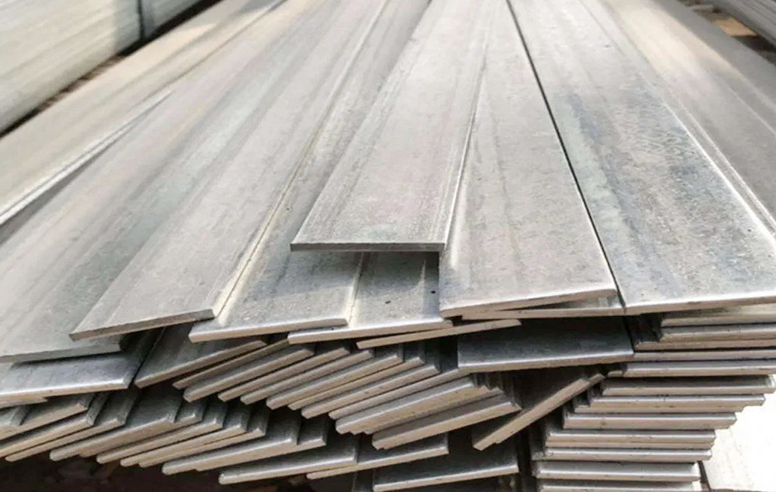
Classification of Stainless Steel Flat Bars
Stainless steel flat bars can be classified in several ways:
1. By structural shape: Equal-leg flat bars and unequal-leg flat bars.
2. By production process: Primarily hot-rolled (featuring a pickled, silvery-white surface) and cold-drawn/cold-rolled (featuring a brushed or polished surface).
3. By material grade: Common materials span major stainless steel series:
Austenitic stainless steel: e.g., 304/304L, 316/316L, 321, 310S. This is the most widely used category.
Ferritic stainless steel: e.g., 430.
Martensitic stainless steel: e.g., 1Cr13, 2Cr13.
Duplex stainless steel: e.g., 2205.
Economical grades: e.g., 201.
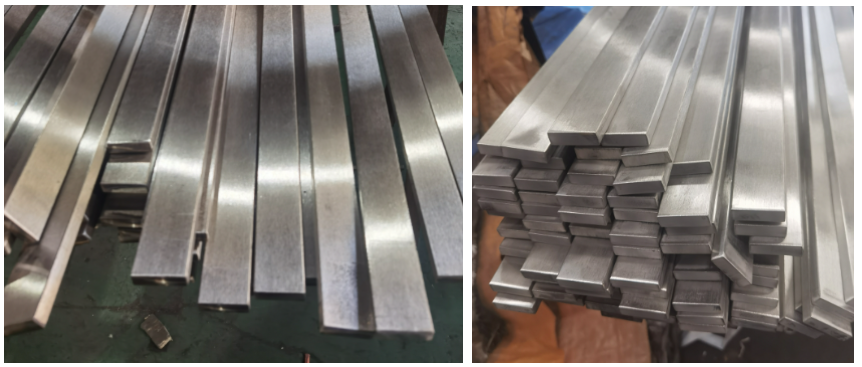
Production Processes
The production of stainless steel flat bars falls into two main categories: hot rolling and cold processing (cold rolling/cold drawing).
Hot rolling process: Steel billets are heated and then shaped using a rolling mill. Advantages include breaking down the as-cast structure, refining grain size, eliminating internal defects, and enhancing the material's mechanical properties.
Cold rolling/cold drawing process: Hot-rolled stock undergoes further processing at room temperature. Advantages include high dimensional accuracy and superior surface quality, meeting the needs of more demanding applications.
Additionally, some specialty flat bars are produced using a refining process sequence of "Electric Arc Furnace (EAF) + AOD + LF + Ingot Casting" to meet stringent purity requirements.
Performance Characteristics
Mechanical properties: Taking the most common 304 stainless steel flat bar as an example, the tensile strength is ≥520 MPa, yield strength is ≥205 MPa, and elongation is ≥40%. Corrosion Resistance: Thanks to a chromium (Cr) content typically no less than 10.5%, a dense, chromium-rich oxide film (passivation layer) forms on the surface, providing excellent corrosion resistance across various environments.
Chemical Composition: Key controlled elements include C (carbon), Mn (manganese), P (phosphorus), and S (sulfur), with requirements varying by grade. For example, the chemical composition requirements for grade 304L are: C ≤ 0.030%, Mn ≤ 2.00%, P ≤ 0.045%, S ≤ 0.030%, and Cr content between 18.0% and 20.0%.
Surface Quality: Standards dictate that the surface must be free from harmful defects such as delamination, scabs, and cracks.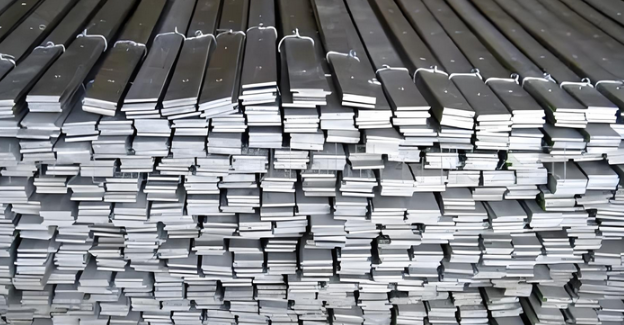
Applications of Stainless Steel Flat Bars
Due to their corrosion resistance, high strength, and aesthetic appeal, stainless steel flat bars are widely used in the following fields:
1. Industry: Manufacturing components and accessories for machinery, automobiles, electrical equipment, chemical processing equipment, etc.
2. Construction: Manufacturing decorative materials such as doors, windows, railings, and stair handrails, as well as serving as critical structural material for bridges and hydraulic engineering projects.
3. Decoration: Used in the interior fit-out and decoration of hotels, guesthouses, restaurants, shopping malls, supermarkets, and similar venues.
Points to Consider When Purchasing Stainless Steel Flat Bars
1. Select the appropriate material grade and specifications based on actual requirements.
2. Pay attention to material quality; inspect the surface to ensure it is smooth and free from defects such as cracks, oxidation, or oil stains.
3. For applications requiring corrosion resistance, choose stainless steel grades with high corrosion resistance properties.
4. Select a reputable supplier to ensure material quality and reliable after-sales service.
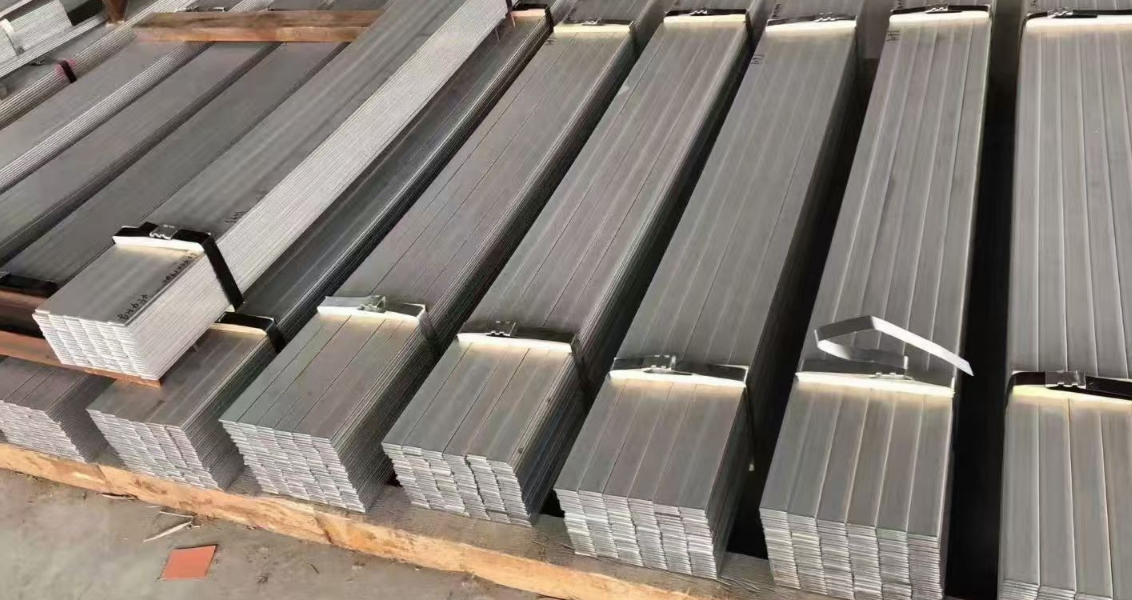
Stainless steel flat bar is a fundamental long steel product with a rectangular cross-section, manufactured via hot-rolling or cold-working processes. It is available in various grades—such as 304 and 316L—and a wide range of specifications. Combining high strength with excellent corrosion resistance, it serves as a key foundational material bridging industrial and civil sectors, as well as traditional and emerging fields.
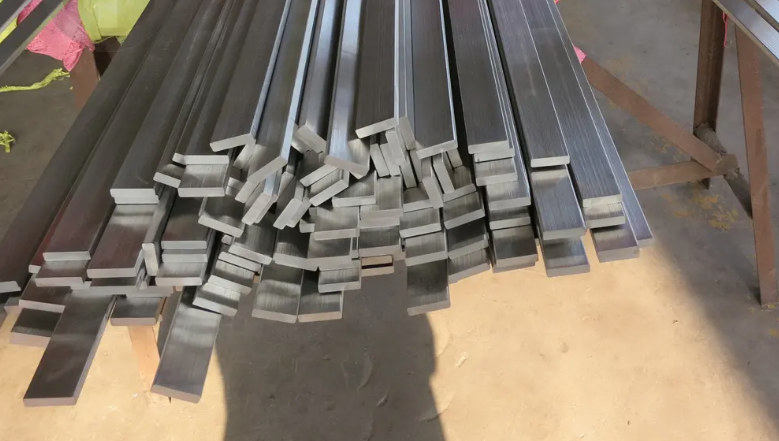
The implementation standard of stainless steel flat steel is to regulate the quality, size, chemical composition and other aspects of steel to ensure that it can meet the requirements of different fields. The following are the common implementation standards for stainless steel flat steel:
Chinese standard:
GB/T 908-2019 Dimensions, shape, weight and allowable deviation of forged steel bars
"Forged bars for dimensions,shape,weight and tolerances" is a Chinese national standard. This standard specifies the cross-sectional shape, cross-sectional size, weight, allowable deviation, and length of forged steel bars (round steel, square steel, and flat steel). And allowable deviation, shape, etc. This standard applies to forged round steel with a diameter of 40 mm to 1000 mm, forged square steel with a side length of 40 mm to 1000 mm, and flat steel with a thickness of 20 mm to 800 mm and a width of 40 mm to 1500 mm.
American standard:
ASTM A240/A240M
ASTM A240/A240M is mainly used in the US market, and specifies the chemical composition, mechanical properties, dimensional deviation, and smoothness of ferritic, austenitic, duplex, martensitic, cast and hot-rolled stainless steel plates, coils and strips , hardness and impact properties and other indicators, the standard covers more than 30 types of stainless steel.
Japanese standard:
JIS G 4304-2012 Hot-rolled stainless steel sheets, strips and coils
JIS G 4304-2012 is the Japanese Industrial Standard, which specifies the chemical composition, mechanical properties, dimensional deviation, banding defects, surface quality, hardness and impact properties of hot-rolled stainless steel plates, strips and coils. This standard is mainly applicable to stainless steel shapes.
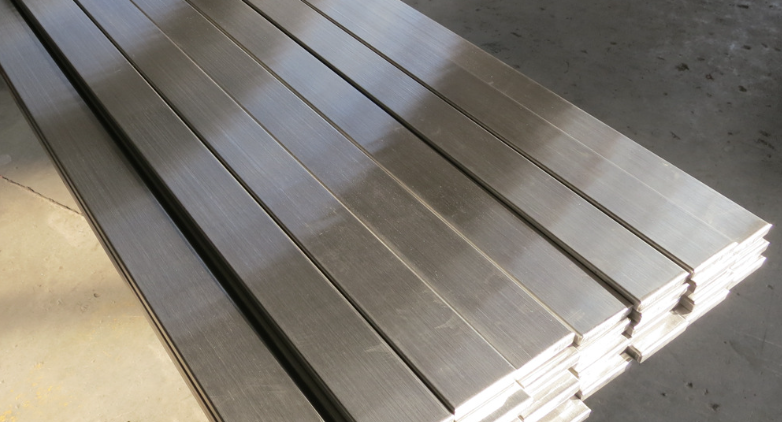
Copyright Notice © 2022 - 2023 ChinaSteelMarket.com All rights reserved.