
Spring steel round bars are solid bars with a circular cross-section, typically supplied in hot-rolled, forged, or cold-drawn conditions. Spring steel is classified as a special quality steel, requiring strict control over quality and performance during production. Based on manufacturing methods, spring steel is categorized into hot-rolled steel and cold-drawn (or cold-rolled) steel; hot-rolled steel includes round and square bars used for manufacturing coil springs, which generally feature larger cross-sectional dimensions.
Spring steel round bars serve as the primary raw material for manufacturing coil springs. After undergoing quenching and medium-temperature tempering, they develop a tempered troostite or tempered sorbite microstructure, thereby achieving a high yield-to-tensile strength ratio and excellent comprehensive mechanical properties.
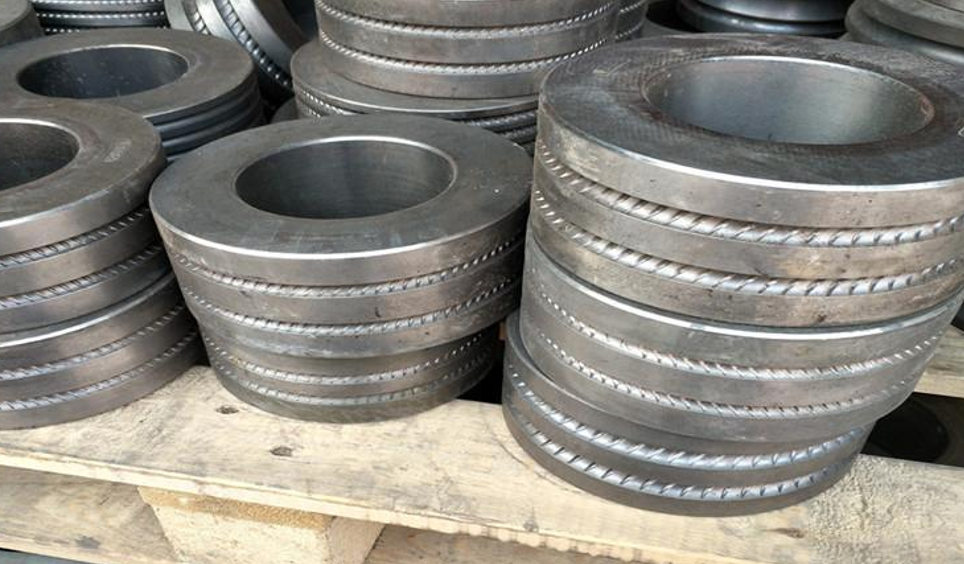
Main Grades and Chemical Composition of Spring Steel Round Bars
Based on chemical composition, spring steel round bars are classified into two main categories: carbon spring steel and alloy spring steel.
1. Carbon Spring Steel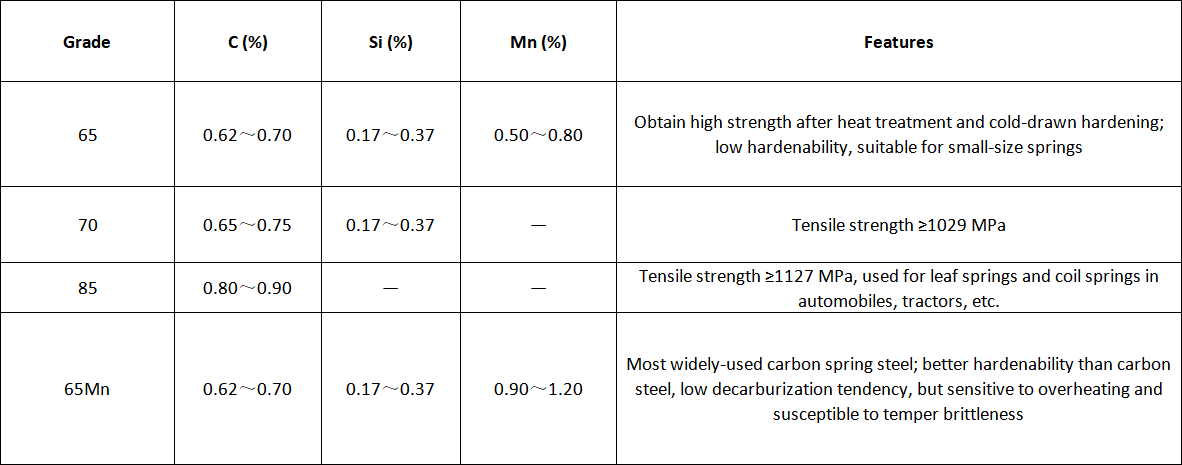
2. Alloy Spring Steel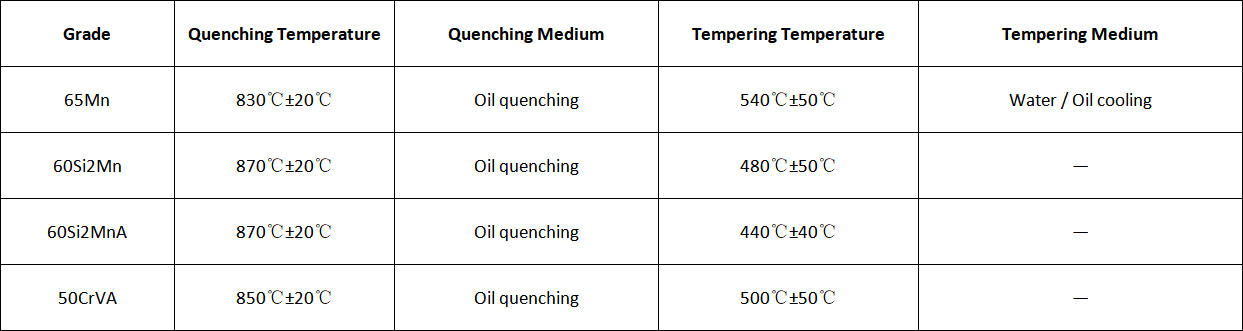
Production Process for Spring Steel Round Bars
The core of spring steel round bar production lies in controlling material purity and microstructural uniformity.
1. Smelting and Continuous Casting
The mainstream process route is: "Converter/Electric Arc Furnace Smelting → LF Refining → VD Vacuum Degassing → Continuous Casting." Taking Nanjing Iron & Steel's proprietary process as an example, key control points include:
1.1 Converter/Electric Arc Furnace (EAF) Smelting: Post-tapping carbon content ≥0.05%, tapping temperature ≥1630°C; utilization of "red ladle" (hot ladle) transfer and slag-blocking tapping techniques.
1.2 LF Refining: Refining duration of 30–60 minutes; injection of 60–100 meters of CaSi wire during the late refining stage; tapping temperature controlled at 1580–1600°C.
1.3 VD Degassing: Vacuum level below 1 mbar; vacuum treatment for 15–30 minutes; soft stirring for 10–30 minutes to promote inclusion flotation; tapping temperature of 1510–1540°C.
Continuous Casting: Casting cross-section of 150mm × 150mm; target superheat <35°C; mild cooling; casting speed of 1.5–3.0 m/min.
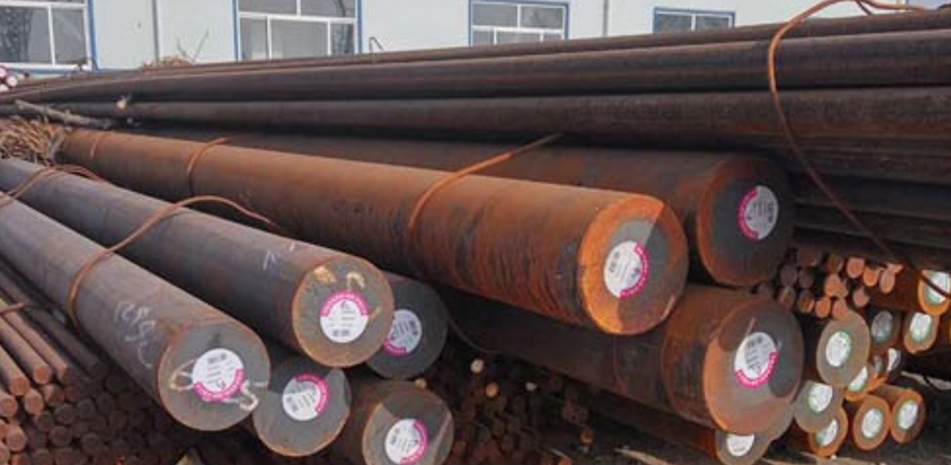
2. Bar Rolling
After inspection and grinding, the continuous casting billet undergoes rolling with an initial rolling temperature of 1050–1150°C. Following rolling, the steel is air-cooled; once the temperature drops to 530–580°C, it is bundled and collected. Air cooling results in a microstructure of pearlite plus a small amount of ferrite, providing good plasticity and toughness for cold working.
3. Heat Treatment
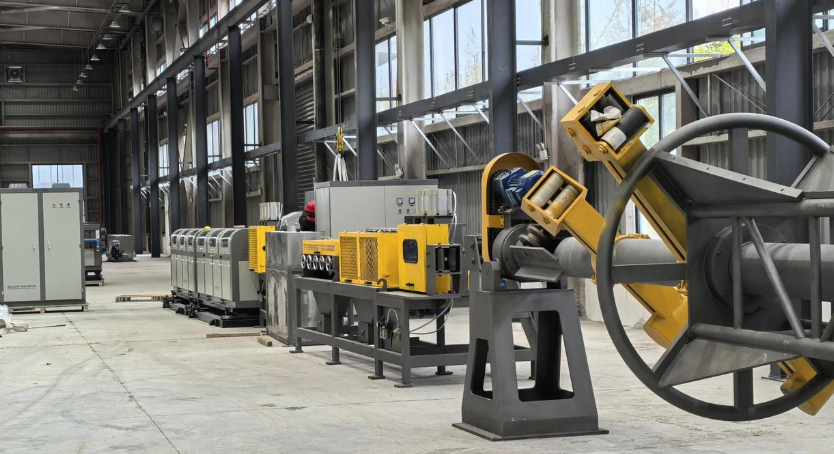
Heat treatment helps spring steel maintain its stiffness and flexibility. Various methods can alter the steel's internal structure, thereby improving its properties.
Austenitizing: The steel is first heated to a very high temperature. This prepares it for quenching and ensures internal uniformity.
Quenching: The steel is rapidly immersed in oil or water to cool; this increases hardness and extends service life. This step is crucial for achieving high-strength steel.
Tempering: The steel is reheated, but to a lower temperature. This reduces brittleness while maintaining hardness, enabling the spring steel to bend and spring back.
Stress Relieving: The steel is heated to a moderate temperature. This eliminates stresses generated during previous steps.
Heat treatment alters the steel's strength and internal structure. Varying cooling rates can make the steel harder or softer, allowing spring steel to withstand repeated bending and stretching.
Performance Characteristics of Spring Steel Round Bar
Key Performance Requirements
1. High elastic limit: Ensures the spring does not undergo plastic deformation under load.
2. High fatigue strength: Capable of withstanding repeated alternating loads; critical for spring service life.
3. Sufficient toughness and plasticity: Prevents brittle fracture under impact loads.
4. Good hardenability: Ensures uniform properties even in large cross-sections.
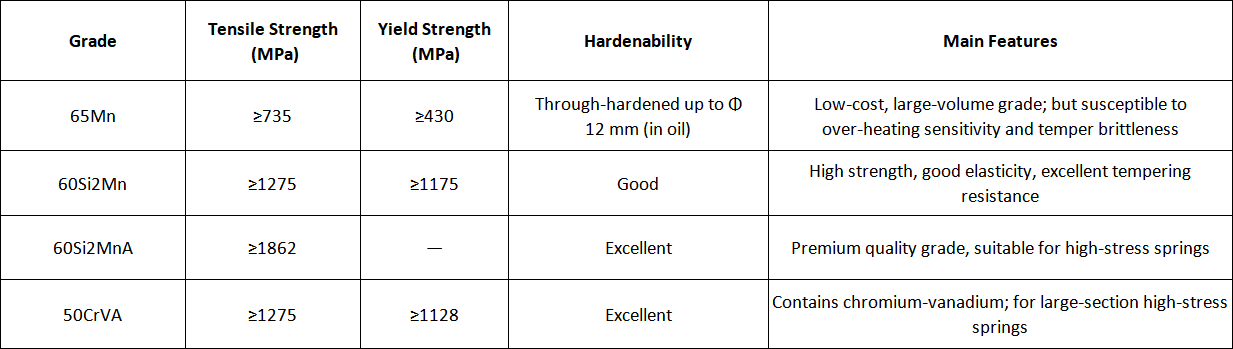
Performance Comparison of Grades
Main Limitations
1. 65Mn: Poor hardenability; sensitive to overheating and prone to temper brittleness; susceptible to cracking during quenching.
2. 60Si2Mn: High tendency for decarburization; requires control of the heating atmosphere.
3. High-silicon grades: Prone to graphitization; unsuitable for long-term use at high temperatures.
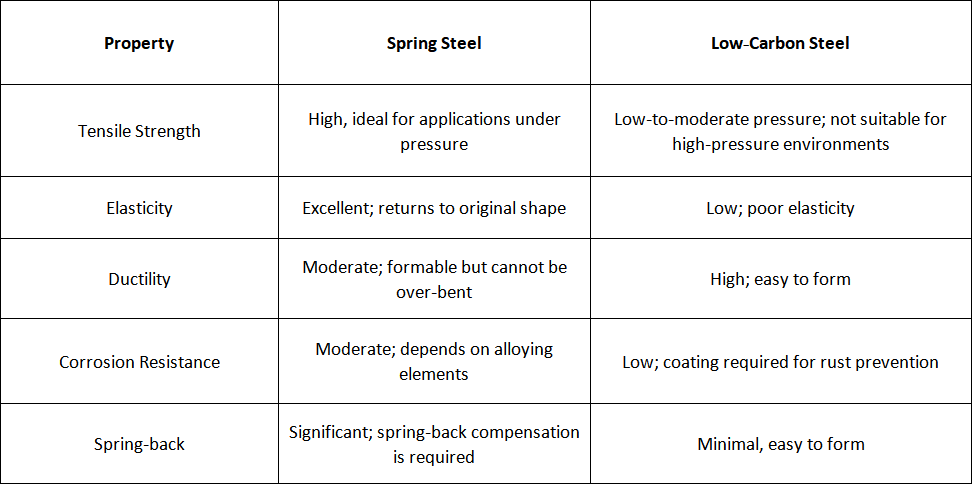
The Difference Between Spring Steel and Ordinary Steel
Applications of Spring Steel Round Bars
Automotive: Suspension springs, leaf springs, coil springs.
Aerospace: Landing gear systems, control mechanisms, structural reinforcement.
Industrial Machinery: Gears, fasteners, shock absorbers.
Construction: Tools and components such as clamps, saw blades, and industrial springs.
Electrical Appliances: Various components requiring high strength and flexibility.
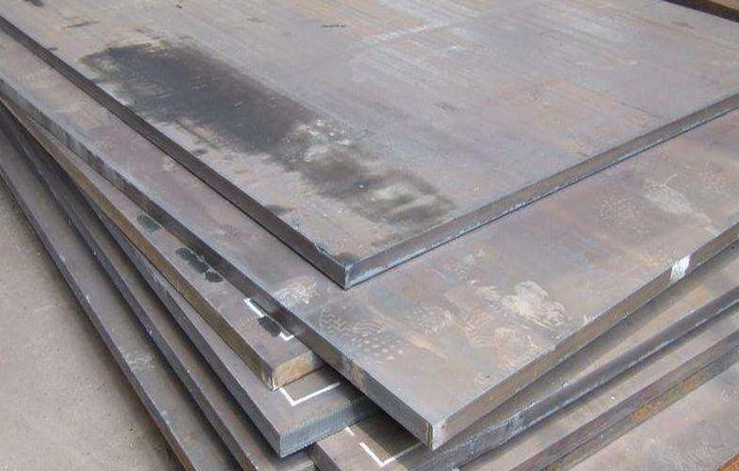
Spring steel round bars are made from carbon and alloy steels, offering excellent elasticity and plasticity. Widely used in the manufacture of springs and other mechanical components, they combine good machinability with wear resistance, though they do have certain limitations. Therefore, in practical production and application, it is essential to comprehensively evaluate these characteristics to select the most suitable material for specific requirements.Automotive: Suspension springs, leaf springs, coil springs.
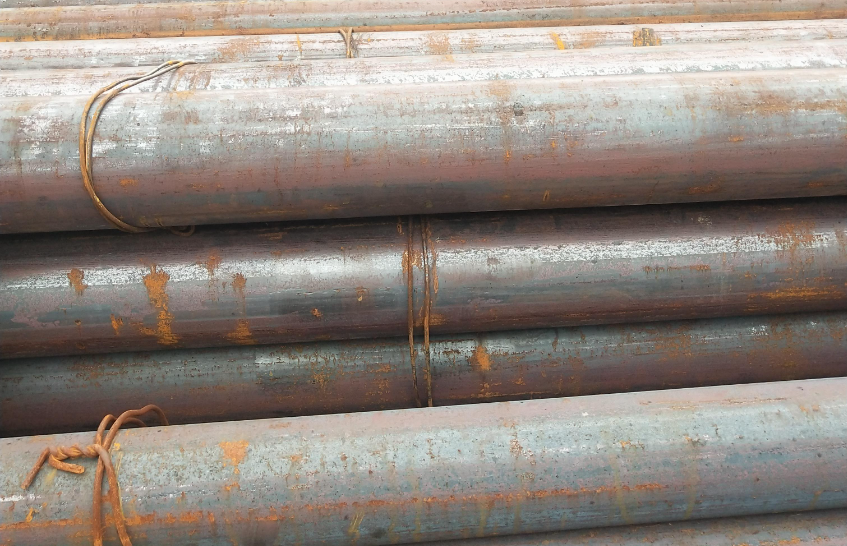
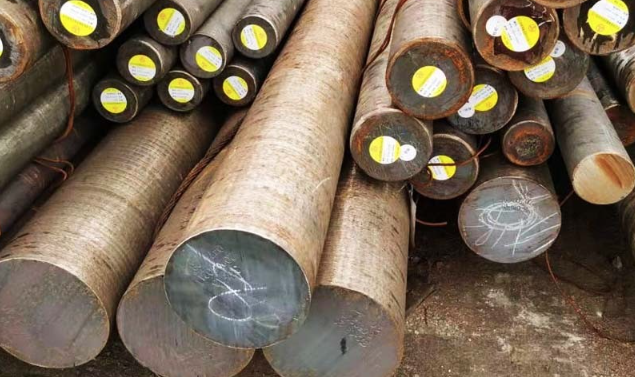
Standards for spring steel round bars may vary from country to country. The following are spring steel round bar standards for some common countries:
Chinese standard:
GB/T 1222-2016 “Spring steel”, this standard specifies the terms and definitions of hot-rolled, forged and cold-drawn spring steel, order content, size, shape, weight, technical requirements, test methods, inspection rules, packaging, marking and Quality certificate. This standard applies to spring steel round steel and square steel (hereinafter referred to as bar) with nominal diameter or side length not greater than 120 mm, spring steel flat steel with nominal width not greater than 160 mm and nominal thickness not greater than 60 mm, and spring steel flat steel with nominal diameter not greater than 120 mm. Spring steel wire rods larger than 40 mm. The grades and chemical compositions specified in this standard are also applicable to steel ingots, billets and their products.
British Standard:
BS EN 10089: Technical delivery conditions for hot rolled or forged spring steel
BS EN 10270-1: General requirements for mechanical elastic properties of spring steel
American standard:
ASTM A29/A29M: General requirements for steel
ASTM A689: Technical Requirements for Carbon Spring Steel
Japanese standard:
JIS G4801: High carbon steel wire rods for springs
Copyright Notice © 2022 - 2023 ChinaSteelMarket.com All rights reserved.