
Seamless steel pipe refers to hollow, round (or irregularly shaped) steel products made from solid billets through processes such as piercing, rolling, or extrusion, resulting in a seamless tube surface without any weld seams. It differs from welded steel pipe (made by rolling and welding steel plates or strips).
The core advantages of seamless steel pipe are reflected in the following aspects:
Seamless and structurally complete: Formed as a single piece, eliminating the weak point of weld seams, resulting in high structural integrity.
Excellent pressure-bearing capacity: Under high-pressure conditions, seamless steel pipes of the same specifications and material have significantly higher pressure-bearing capacity than welded pipes. Compared to welded steel pipes, they have significant advantages in withstanding high pressure and high strength.
Uniform wall thickness: Advanced rolling processes (such as hot rolling, cold drawing/rolling) can produce seamless pipes with high wall thickness uniformity.
Good corrosion resistance and high-temperature resistance: By selecting different materials (such as stainless steel, alloy steel), the requirements for special working conditions such as corrosion resistance and high-temperature resistance can be met.
Common Grades and Materials
Seamless steel pipes are made from three main materials: carbon structural steel, low-alloy steel, and alloy steel.
1. Carbon Structural Steel

20# seamless steel pipe has high cold deformation plasticity and is one of the most commonly used grades.
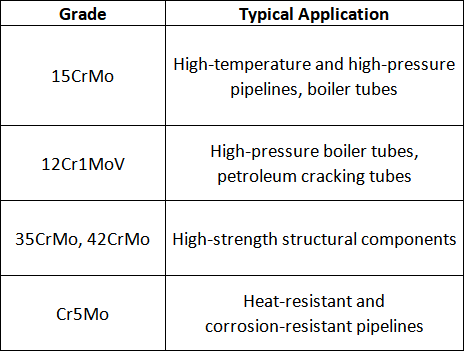
2. Low-alloy High-strength Steel

3. Alloy Steel
Manufacturing Process:
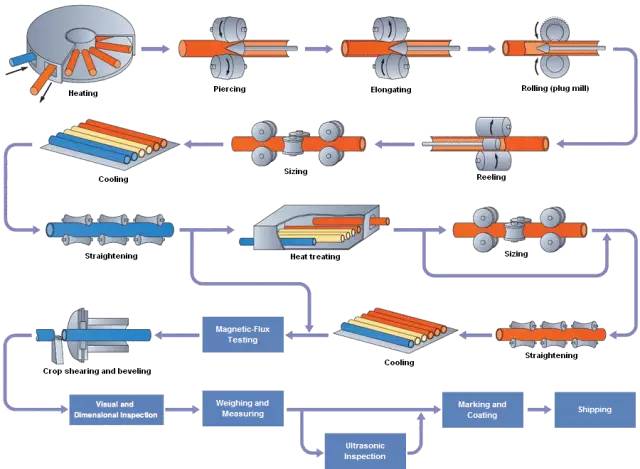
Seamless steel pipes are manufactured using a sophisticated process that involves shaping solid steel billets into tubes without any welded seams. This meticulous process ensures the pipes are incredibly strong and withstand high pressure.
The steps involved include:
1. Billet Preparation: High-quality steel billets are heated to a specific temperature to make them malleable for the subsequent processes.
2. Pipe Formation: The heated billet is pierced to create a hollow cylinder, then elongated and rolled to reduce its diameter and increase its length. This process ensures uniformity in thickness and diameter throughout the pipe.
3. Heat Treatment: The seamless pipe undergoes heat treatment to enhance its mechanical properties, such as strength and hardness. This step is crucial for ensuring the pipe’s durability and longevity.
4. Finalizing: The pipe is further processed to meet the required dimensions and surface finish. It is then tested rigorously to ensure it meets industry standards and specifications.
Advantages of Seamless Steel Pipes:
Strength and Durability: Seamless steel pipes are known for their exceptional strength, making them suitable for high-pressure applications in industries like oil and gas, chemical, and nuclear power.
Uniformity: The absence of welded seams eliminates weak points, ensuring uniform strength along the entire length of the pipe.
Corrosion Resistance: Seamless pipes can be manufactured with corrosion-resistant coatings, making them ideal for transporting fluids in challenging environments.
Precise Dimensional Accuracy: The manufacturing process allows for tight tolerances and accurate dimensions, crucial for applications where precision matters.
Smooth Interior: The seamless interior of these pipes minimizes friction and turbulence during fluid transport, making them efficient for various applications.
Diverse Applications:
Oil and Gas Industry: Seamless steel pipes are the backbone of the oil and gas sector, used in drilling, production, and transportation due to their ability to withstand high pressures and harsh environments.
Energy Generation: In power plants, seamless pipes transport steam at high temperatures and pressures, pivotal in electricity generation.
Automotive Sector: They find use in manufacturing components such as exhaust and hydraulic systems due to their durability and heat resistance.
Construction: Due to their structural integrity, seamless steel pipes are essential in constructing infrastructure like skyscrapers, bridges, and underground structures.
Petrochemical Industry: These pipes safely transport various chemicals, acids, and gases in petrochemical plants.
Significance:
Seamless steel pipes are more than mere conduits; they are the threads that hold together modern society. Their role in industries ranging from energy to construction highlights their indispensable nature.
The ability to efficiently and safely transport fluids and gases over long distances has revolutionized how we build and operate our world. As technology advances, seamless steel pipes will likely evolve, becoming more integral to new and developing industries.
Seamless Steel Pipes represent an extraordinary fusion of metallurgical innovation and engineering excellence. Their seamless structure, exceptional strength, and diverse applications make them a cornerstone of modern industry.
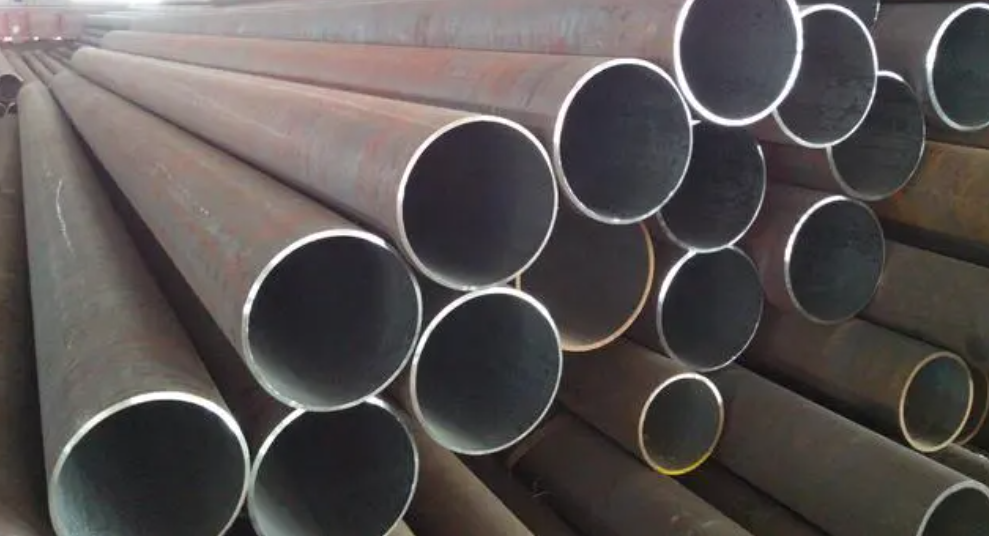
Seamless steel pipe is a commonly used pipe material, and its execution standards may differ in different countries.
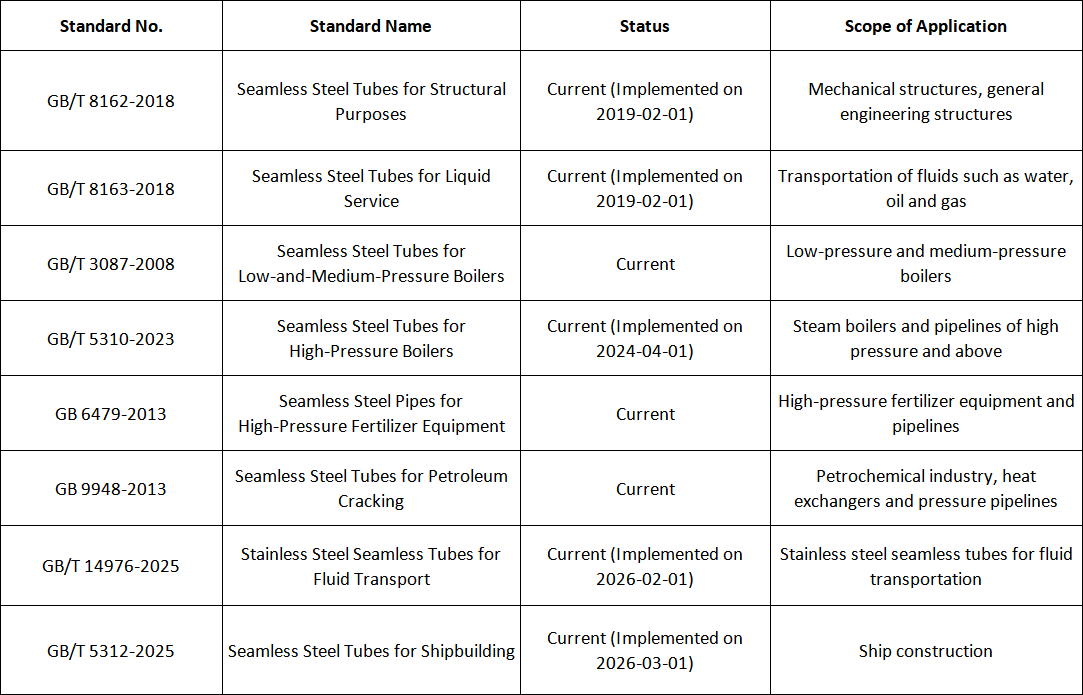
Chinese standard:
GB/T 8162-2018 “Seamless steel tubes for structural purposes” This standard applies to seamless steel tubes for mechanical structures and general engineering structures.
GB/T 8163-2018 "Seamless steel pipes for liquid service" This standard applies to seamless steel pipes for transporting ordinary fluids.
GB/T 3087-2022 "Seamless steel tubes and pipes for low and medium pressure boiler" This standard is applicable to the manufacture of high-quality carbon structural steel seamless steel pipes for low and medium pressure boilers.
GB/T 5310-2017 "Seamless steel tubes and pipes for high pressure boiler" This standard is applicable to the manufacture of seamless steel tubes for steam boilers and pipes of high pressure and above.
American standard:
ASTM A106/A106M: Seamless Carbon Steel Pipe for High Temperature Service
ASTM A53/A53M: Seamless and Welded Carbon Steel Pipe for General Purposes
British Standard:
BS 1387: Specification for welded and seamless carbon steel pipes
BS EN 10216-1: Technical delivery conditions for seamless steel pipes
BS EN 10255: Specification for piping systems for welded and seamless steel pipes
Japanese standard:
JIS G3454: Carbon steel pipes for general purposes
JIS G3455: Carbon steel pipes for high temperature services
These standards are developed for seamless steel pipes for different uses and material types
Copyright Notice © 2022 - 2023 ChinaSteelMarket.com All rights reserved.