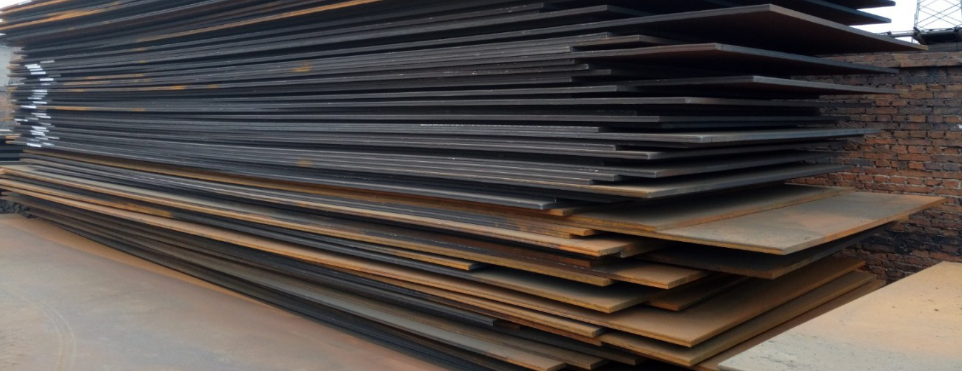

A steel plate is a flat steel product characterized by a large width-to-thickness ratio and significant surface area. Based on thickness, steel plates are categorized into two main specifications: thin plates and thick plates.
Steel Plate Thickness:
A thin steel plate is one with a thickness between 0.2 mm and 4 mm, produced via hot or cold rolling methods. The width of a thin steel plate ranges from 500 mm to 1400 mm.
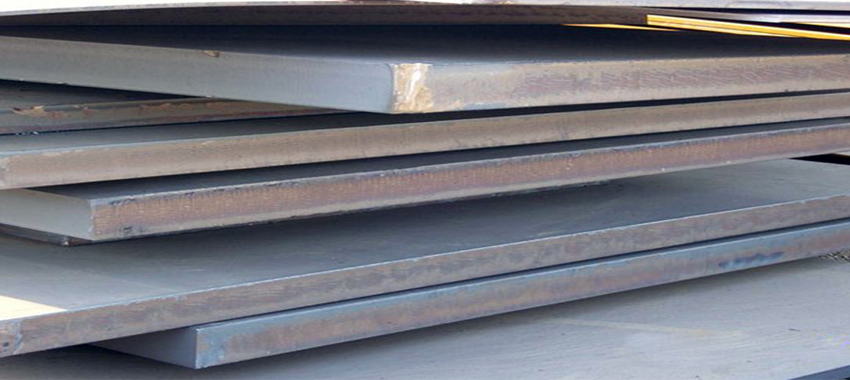
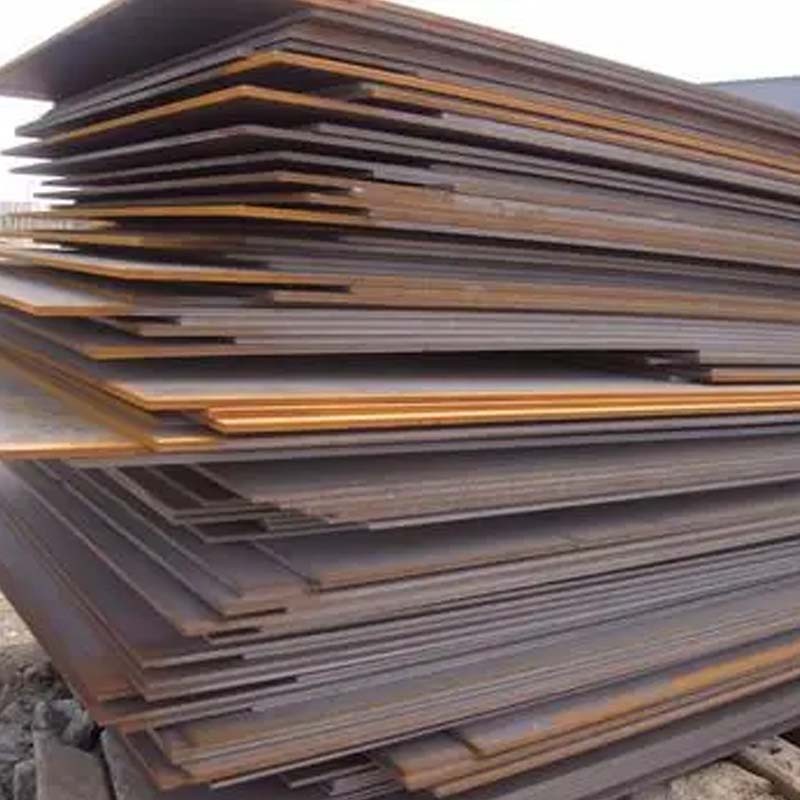
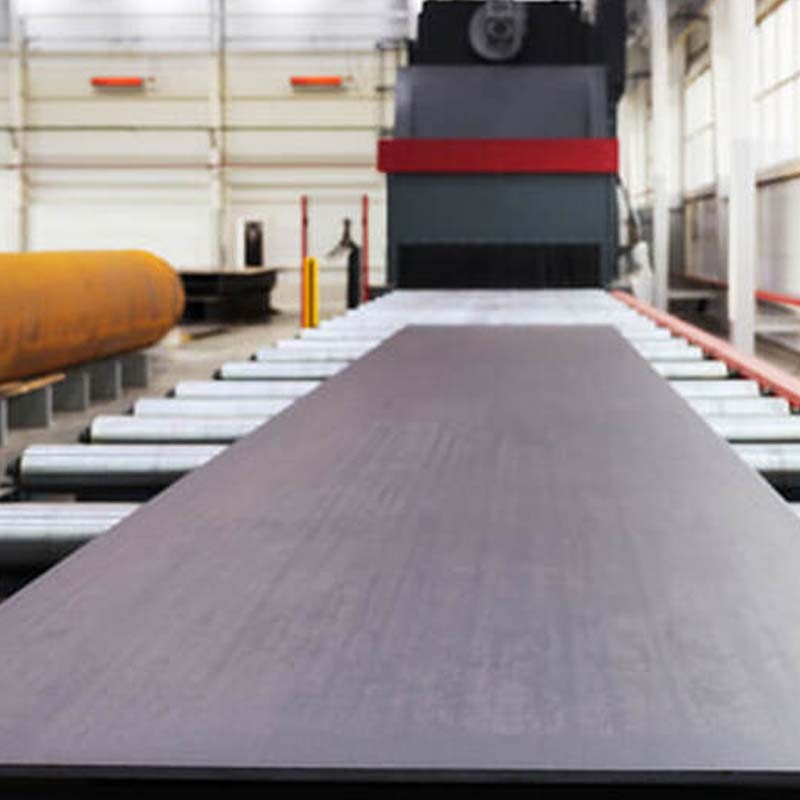
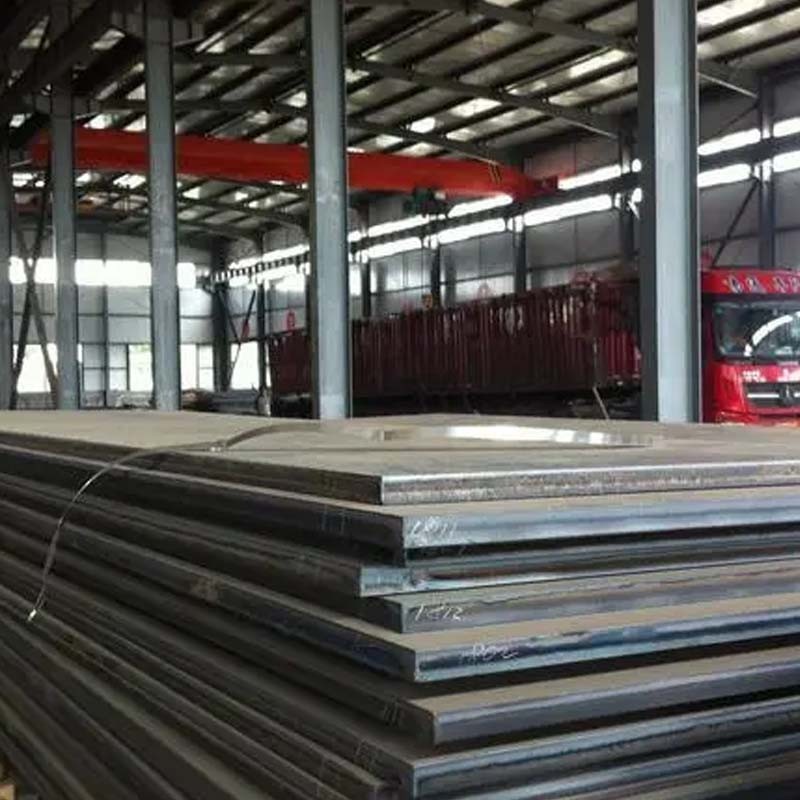
"Thick steel plate" is a collective term for steel plates with a thickness of 4 mm or greater. In practice, plates with a thickness of less than 20 mm are generally referred to as medium plates; those between 20 mm and 60 mm as thick plates; and those exceeding 60 mm as extra-thick plates.
The width of thick steel plates ranges from 0.6 m to 3.0 m. Thick plates are further classified by application into categories such as shipbuilding, bridge construction, boilers, high-pressure vessels, checkered (patterned) plates, automotive use, armor plating, and composite plates.
1. Ordinary Carbon Rimmed Steel Plates
As the name implies, ordinary carbon rimmed steel plates are produced by hot-rolling rimmed steel—a type of ordinary carbon structural steel. Rimmed steel is incompletely deoxidized and has a high oxygen content in the molten state; when the molten steel is poured into the ingot mold, the reaction between carbon and oxygen generates a large volume of gas, causing the molten steel to "boil"—hence the name.
Rimmed steel has a low carbon content. Furthermore, since ferrosilicon is not used for deoxidation, the silicon content in the steel is typically less than 0.07%. Because the outer layer crystallizes while the steel is in a boiling state, the surface layer is pure and dense, resulting in excellent surface quality and good workability. Rimmed steel does not form large, concentrated shrinkage cavities; it requires minimal deoxidizing agents, resulting in lower production costs. Rimmed steel contains a high concentration of impurities in its core, exhibits significant segregation, and possesses non-uniform mechanical properties. It has a high gas content, low toughness, and is prone to cold brittleness and strain aging; furthermore, its weldability is poor. Consequently, it is unsuitable for manufacturing welded structural components—or other critical structural parts—that are subject to impact loads or operate at low temperatures.
(1) Main Applications
Rimmed steel plates are widely used to manufacture various stamped parts, components for building and engineering structures, and less critical machine structures and parts.
(2) Plate Specifications and Dimensions
Hot-rolled thick steel plates range in thickness from 4.5 mm to 200 mm.
2. Ordinary Carbon Killed Steel Plates
Ordinary carbon killed steel plates are produced by hot-rolling killed steel billets made from ordinary carbon structural steel. Killed steel is fully deoxidized; the molten steel undergoes thorough deoxidation—using agents such as ferromanganese, ferrosilicon, and aluminum—prior to ingot casting. As a result, the molten steel remains relatively calm in the ingot mold without boiling, hence the name "killed steel."
The advantages of killed steel include uniform chemical composition (resulting in consistent mechanical properties throughout the material), good weldability and plasticity, and strong corrosion resistance. However, it suffers from poorer surface quality, the presence of concentrated shrinkage cavities, and higher production costs.
(1) Main Applications
Ordinary killed steel plates are primarily used for components subject to impact at low temperatures, welded structures, and other structural parts requiring high strength.
(2) Plate Specifications and Dimensions
Hot-rolled thick plates range in thickness from 4.5 mm to 200 mm.
3. Low-Alloy Structural Steel Plates
Low-alloy structural steel plates are produced by hot-rolling low-alloy structural steel. These plates are made from killed or semi-killed steel. Their advantages include high strength, superior performance, significant steel savings, and reduced structural weight.
(1) Main Applications
Low-alloy structural steel plates are increasingly used in machinery manufacturing and metal structural components.
(2) Plate Specifications and Dimensions
Hot-rolled steel plates range in thickness from 4.5 mm to 200 mm.
4. Hot-Rolled Continuous Strip Steel Plates for General Structural Use
(1) Main Applications
Primarily used for general structural applications such as buildings, bridges, and vehicles.
(2) Dimensions and Specifications
Steel plate (or strip) thickness ranges from 1.2 to 13.0 mm; width from 700 to 1,550 mm; and length from 2,000 to 12,000 mm.
5. Weather-Resistant Steel Plates for Welded Structures
Weather-resistant steel refers to steel capable of resisting atmospheric corrosion. For welded structures, this steel is produced by adding small amounts of alloying elements—such as copper, chromium, nickel, molybdenum, niobium, titanium, zirconium, and vanadium—to the steel. These elements facilitate the formation of a protective layer on the metal surface, thereby enhancing weather resistance and ensuring good weldability. It is primarily used in bridges, buildings, and other structural applications.
6. High Weather-Resistance Structural Steel Plates
Weather-resistant steel is designed to withstand atmospheric corrosion. Small amounts of alloying elements—such as copper, phosphorus, chromium, nickel, molybdenum, niobium, titanium, zirconium, and vanadium—are added to the steel to form a protective layer on the metal surface, thereby improving its weather resistance. It is mainly suitable for use in buildings, vehicles, towers, and other structural components.
7. Checkered Steel Plates
Checkered steel plates feature raised patterns—typically diamond or lentil shapes—on their surface. Specifications are based on the base thickness of the plate (excluding the height of the raised patterns).
(1) Main Applications
Checkered plates offer anti-slip properties and are commonly used for flooring, factory stairways, work platform treads, ship decks, and vehicle bed plates.
(2) Material Grades and Chemical Composition
Checkered plates are rolled from ordinary carbon structural steel (grades B1, B2, and B3). Their chemical composition complies with the standards set forth in GB700-79 (Technical Conditions for Ordinary Carbon Structural Steel).
8. Bridge Steel Plate
Bridge steel plates are specifically designed for the construction of railway or highway bridges. They are required to possess high strength and toughness to withstand the loads and impacts of rolling stock, as well as good fatigue resistance, adequate low-temperature toughness, and atmospheric corrosion resistance. Steel intended for bolted and welded bridges must also exhibit good weldability and low notch sensitivity.
(1) Main purpose
Mainly used for structural parts of railway bridges and highway bridges with spans between 46-160mm.
(2) Specifications
Specifications: thickness from 6-50mm, width from 1.0-2.4mm, length from 2.0-16mm
9. Shipbuilding Steel Plate
Used for the hulls of ocean-going and inland waterway vessels, these plates require high strength as well as good plasticity, toughness, cold-bending properties, weldability, and corrosion resistance; examples include A32, D32, A36, and D36. Boiler steel plates (boiler plates): Used to manufacture various boilers and critical accessories. Since they operate under conditions of moderate temperature (below 350°C) and high pressure, they must withstand high pressure, impact, and fatigue loads, as well as corrosion from water and gas. They require guaranteed strength alongside good weldability and cold-bending properties; examples include Q245R.
10. Boiler & Vessel Steel Plate
Primarily used to manufacture pressure vessels and similar equipment for the petroleum and chemical industries—specifically for gas separation, storage, and transport. Operating pressures range from atmospheric pressure up to 320 kg/cm² (or even 630 kg/cm²), and operating temperatures range from -20°C to 450°C. In addition to requiring specific strength, plasticity, and toughness, the steel plates must possess good cold-bending properties and weldability; examples include Q245R, Q345R, 14Cr1MoR, and 15CrMoR.
11. Steel for automotive chassis frames
Low-alloy hot-rolled steel plates with thicknesses ranging from 2.5 mm to 12.0 mm are used to manufacture automotive chassis frames (longitudinal and transverse beams). Due to the complex shapes of these frames, the steel requires not only high strength and good cold-bending properties but also excellent stamping performance.
Application:
The medium plate is mainly used in construction, machinery manufacturing, container manufacturing, shipbuilding bridge construction, etc.
It is also used to make all kinds of containers, furnace shells, furnace plate, bridge and vehicle static steel plate, low alloy steel plate, shipbuilding plate, boiler plate, pressure vessel plate, checked steel plate, steel plate for automobile frames, tractor parts and welding parts.
The plate is widely used in the manufacture of a variety of containers, furnace shell, furnace plate, bridge and vehicle static steel plate, low alloy steel plate, bridge plate, made like plate, boiler plate, pressure vessel plate, checked steel plate, steel plate for automobile frames, tractor parts and welding connection component specific application.
They are commonly used in the fabrication of structural components, pressure vessels, storage tanks, bridges, machinery parts, and equipment frames.
These steel plates are known for their excellent mechanical properties, including high tensile strength, good weld-ability, and impact resistance. They can withstand heavy loads and harsh environments, making them suitable for demanding applications where strength and durability are crucial.
In summary, ordinary medium-thick steel plates are versatile and widely used materials in various industries. Their moderate thickness range and excellent mechanical properties make them ideal for structural and construction applications requiring strength, durability, and reliability.



|

|

|

|

|
| Timely Info | Independent | Platform | Multiple guarantees | Self-operated storage |
China Steel Market
Empowering small and medium-scale steel purchasing

| About us | Channel | Useful tools |
|---|---|---|
| About China Steel Market | Prices | Steel Weight Calculation |
| Contact Us | Answers | Why Choose Us |
| Terms & Conditions | Inventory | |
| Privacy Policy | Help |
Hot search words:
China Rebar prices China Wire Rod Prices Welded Steel Pipe Prices