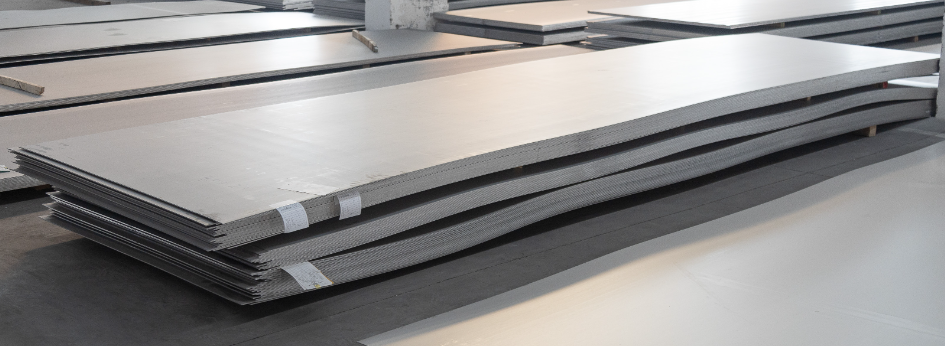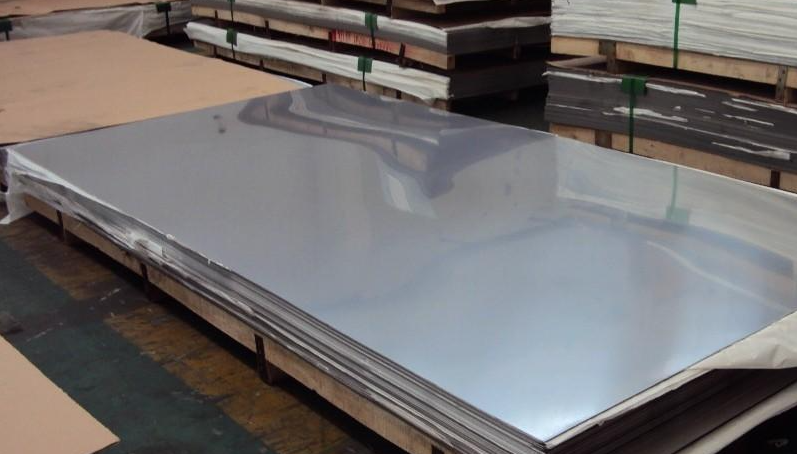

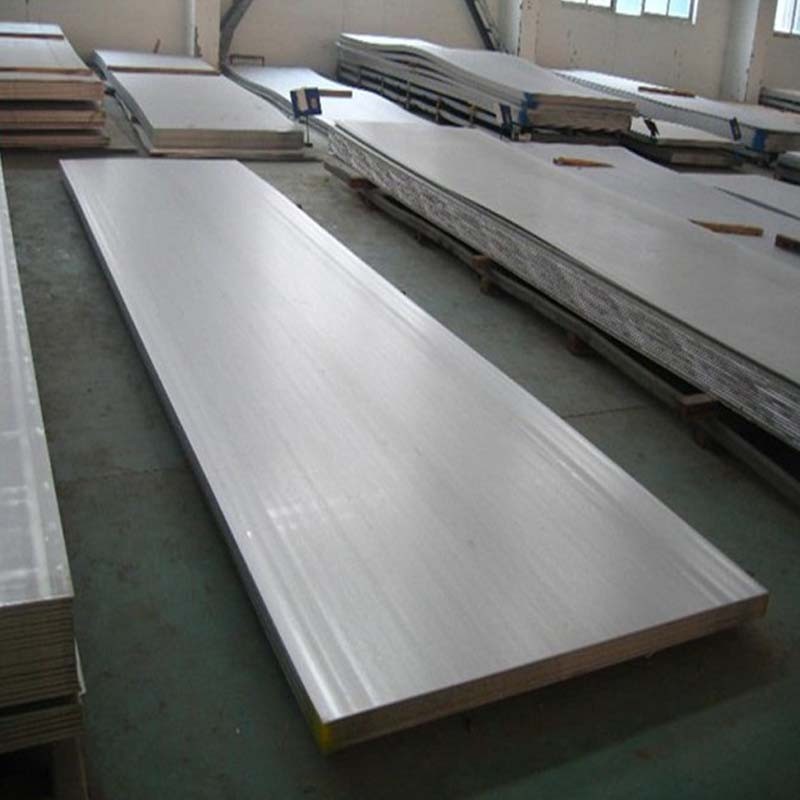
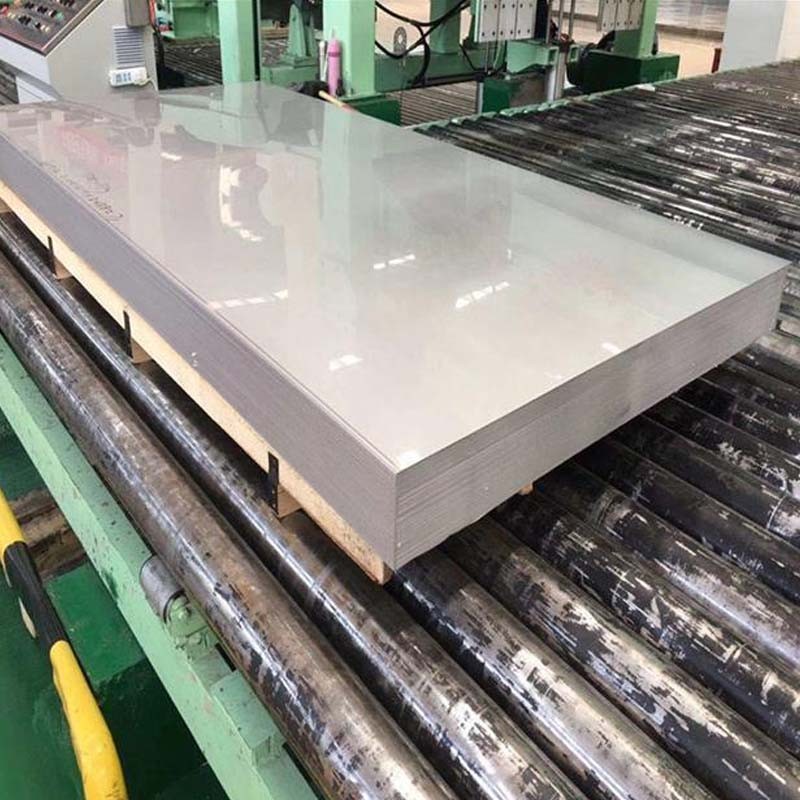
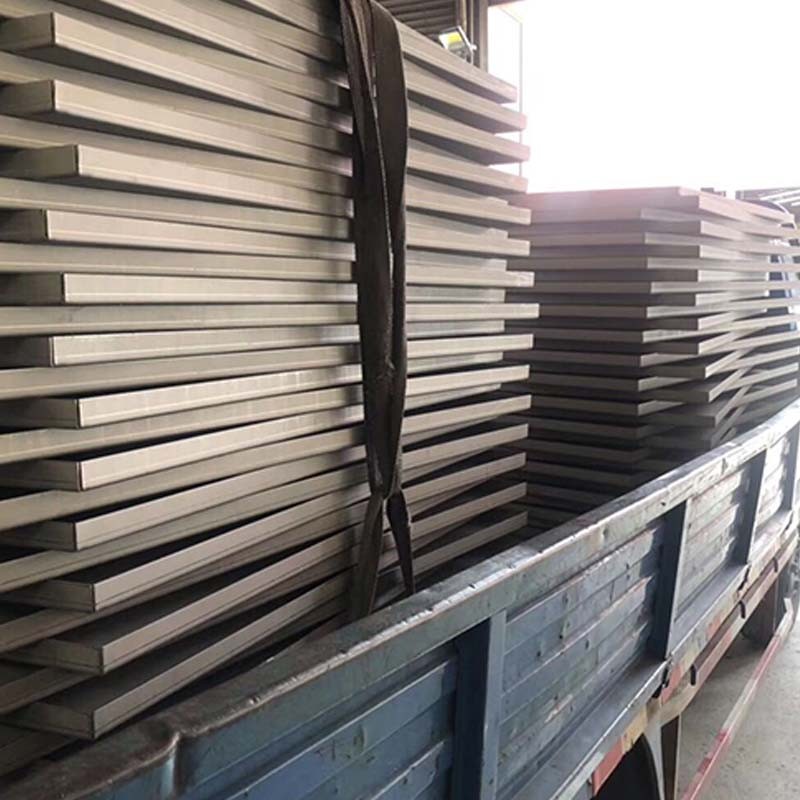
Medium-thick stainless steel plate refers to steel plates with a thickness of 4.5-25.0mm, including shipbuilding plates, bridge plates, boiler plates, and container plates. Plates with a thickness of 25.0-100.0mm are called thick plates, and those exceeding 100.0mm are called extra-thick plates.
According to national standards, stainless steel plates are defined by thickness range as follows:
Medium-thick plate: 4.0 - 25.0mm;
Thick plate: 25.0 - 100.0mm;
Extra-thick plate: exceeding 100.0mm.
In some standards, a thickness of 20.0 - 60.0mm can also be classified as thick plate, and 4.5 - 20.0mm as medium plate.
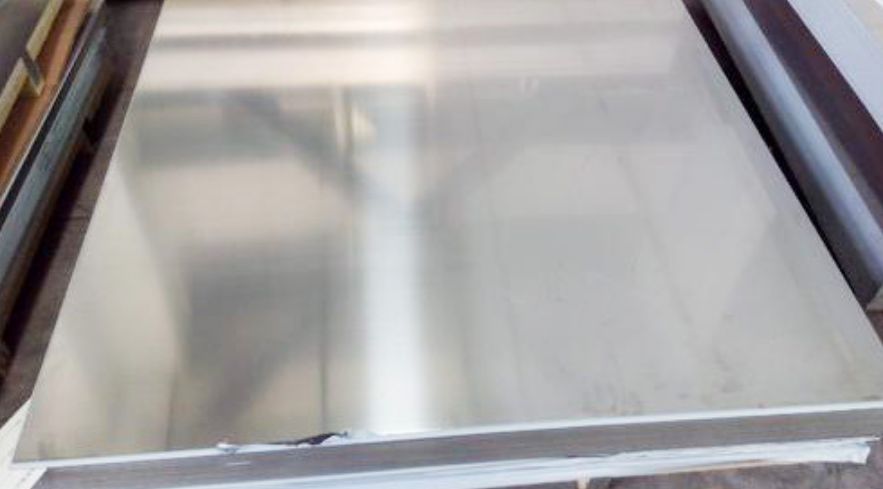
Medium-thick plates encompass multiple stainless steel series to meet different industrial needs.
1. Austenitic Stainless Steel (largest usage, accounting for 70%): According to the alloying method, austenitic stainless steel can be divided into two main categories: chromium-nickel steel and iron-chromium-manganese steel. The former uses nickel as the austenitizing element and is the main body of austenitic steel; the latter is a nickel-saving steel that uses manganese and nitrogen to replace expensive nickel. Generally speaking, austenitic steel has good corrosion resistance, good comprehensive mechanical properties and processing properties, but its strength and hardness are relatively low. Representative grades include 304, 304L, 316, 316L, etc. It is non-magnetic, has excellent corrosion resistance, and good overall mechanical properties. 316L containing molybdenum (Mo) has stronger resistance to chloride ion and organic acid corrosion.
2. Ferritic Stainless Steel: Contains 11%-30% chromium and basically no nickel. It is a nickel-saving steel, and its microstructure is mainly ferrite in the service state. Ferritic stainless steel has high strength and low work hardening tendency. It exhibits excellent resistance to localized corrosion such as chloride stress corrosion, pitting corrosion, and crevice corrosion, but is sensitive to intergranular corrosion and has poor low-temperature toughness. Representative grades include 430 and 410S. It is magnetic and has good resistance to stress corrosion, but poor low-temperature toughness.
3. Duplex stainless steel: Duplex stainless steel contains more than 15% ferrite in an austenitic matrix, or more than 15% austenite in a ferrite matrix. It combines the advantages of both austenitic and ferritic steels. Representative grades include 2205 and S32205. It combines the advantages of both austenitic and ferritic stainless steels, exhibiting high strength and corrosion resistance.
4. Martensitic stainless steel: This type of steel can have its properties adjusted through heat treatment, resulting in high strength and hardness. Representative grades include 410 and 420. It is magnetic, and its strength and hardness can be improved through heat treatment.
5. Precipitation hardening: Steel whose strength is increased by precipitating carbides through heat treatment.
Stainless Steel Medium and Heavy Plate Hot Rolling Line: Billet → Heating → Descaling → Rough Rolling → Finish Rolling → Controlled Cooling → Straightening → Air Cooling → Head Cutting → Edge Cutting → Length Cutting → Marking → Finished Product
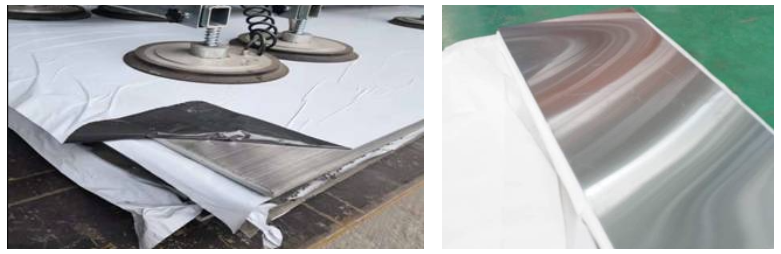
Stainless steel medium and heavy plates are classified not only by size but also by strength, chemical composition, application, and delivery condition. Classification by strength is generally based on the lower limit of tensile strength; plates with a tensile strength of 50 kgf/cm² or higher are called high-strength steel plates. By chemical composition, they are divided into ordinary steel plates and special steel plates, the latter including stainless steel plates and composite steel plates. By application, they are roughly divided into shipbuilding steel plates, welded structural steel plates, boiler and pressure vessel steel plates, low-temperature steel plates, corrosion-resistant steel plates, and special-purpose steel plates. By delivery condition, they are divided into rolled steel plates, heat-treated steel plates, and shot-blasted/coated steel plates.
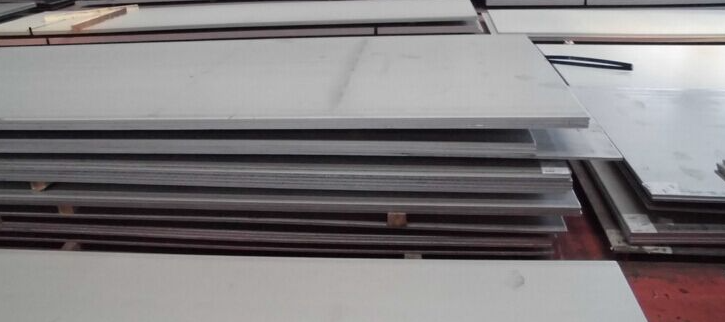
Stainless steel medium and heavy plates are mainly used in construction engineering, machinery manufacturing, container manufacturing, shipbuilding, and bridge construction. It can also be used to manufacture various containers, furnace shells, furnace plates, bridge and automotive steel plates, low-alloy steel plates, shipbuilding steel plates, boiler steel plates, pressure vessel steel plates, patterned steel plates, automotive frame steel plates, certain tractor parts, and welded components.
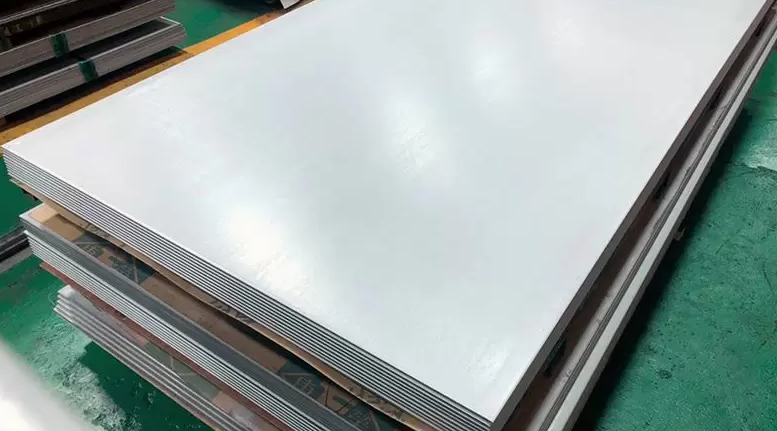
1. Shipbuilding steel plates: Used to manufacture the hulls of marine and inland waterway vessels, requiring high strength, good plasticity, toughness, cold bending performance, weldability, and corrosion resistance. Examples include: A32, D32, A36, and D36.
2. Boiler steel plates (boiler plates): Used to manufacture various boilers and important accessories. Because boiler steel plates operate under medium temperature (below 350°C) and high pressure conditions, in addition to withstanding high pressure, they are also subjected to impact, fatigue loads, and water and gas corrosion. Therefore, they require a certain strength, as well as good weldability and cold bending performance. Examples include: 304L, 316L, and 2205.
2. Pressure vessel steel plates: mainly used to manufacture pressure vessels and other similar equipment for petroleum and chemical gas separation and gas storage and transportation. The working pressure is generally from atmospheric pressure to 320 kg/cm2 or even 630 kg/cm2, and the temperature range is -20-450°C. In addition to having certain strength, good plasticity and toughness, the steel plates for the vessels must also have good cold bending and welding properties, such as 310S, 309S, 253MA, etc.



|

|

|

|

|
| Timely Info | Independent | Platform | Multiple guarantees | Self-operated storage |
China Steel Market
Empowering small and medium-scale steel purchasing

| About us | Channel | Useful tools |
|---|---|---|
| About China Steel Market | Prices | Steel Weight Calculation |
| Contact Us | Answers | Why Choose Us |
| Terms & Conditions | Inventory | |
| Privacy Policy | Help |
Hot search words:
China Rebar prices China Wire Rod Prices Welded Steel Pipe Prices