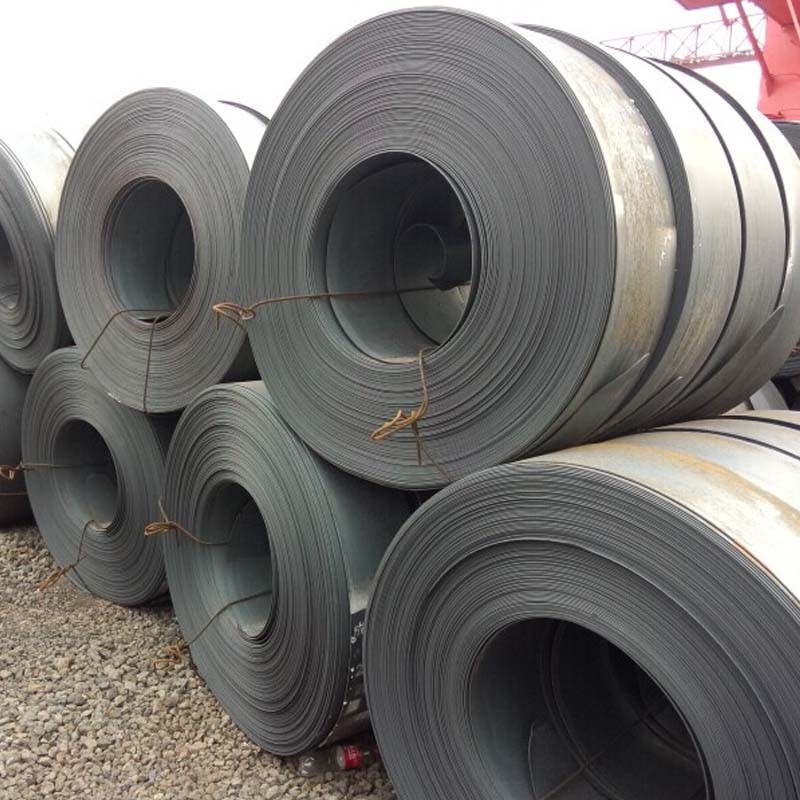
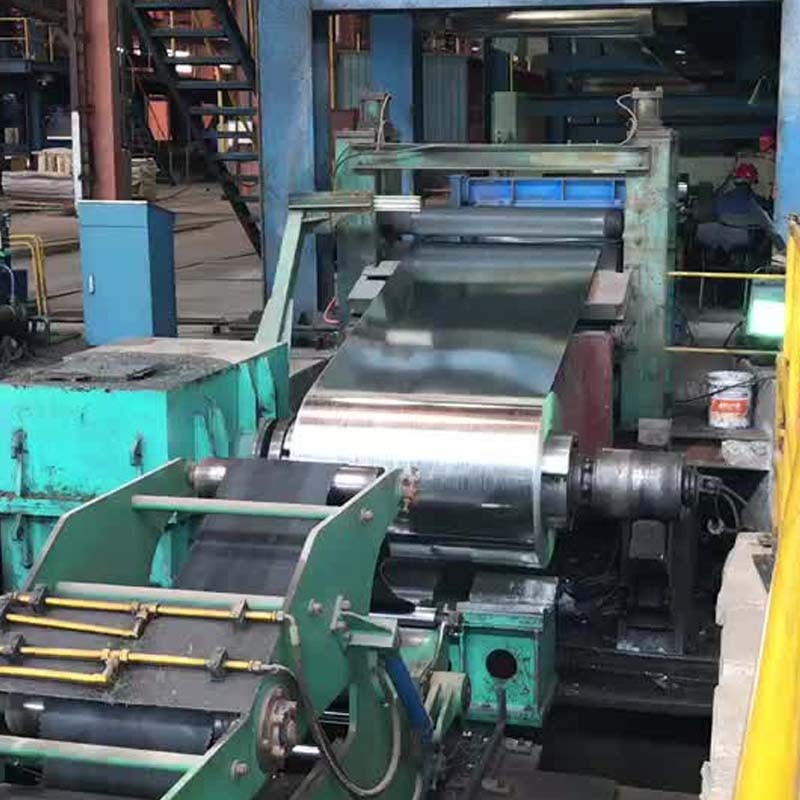
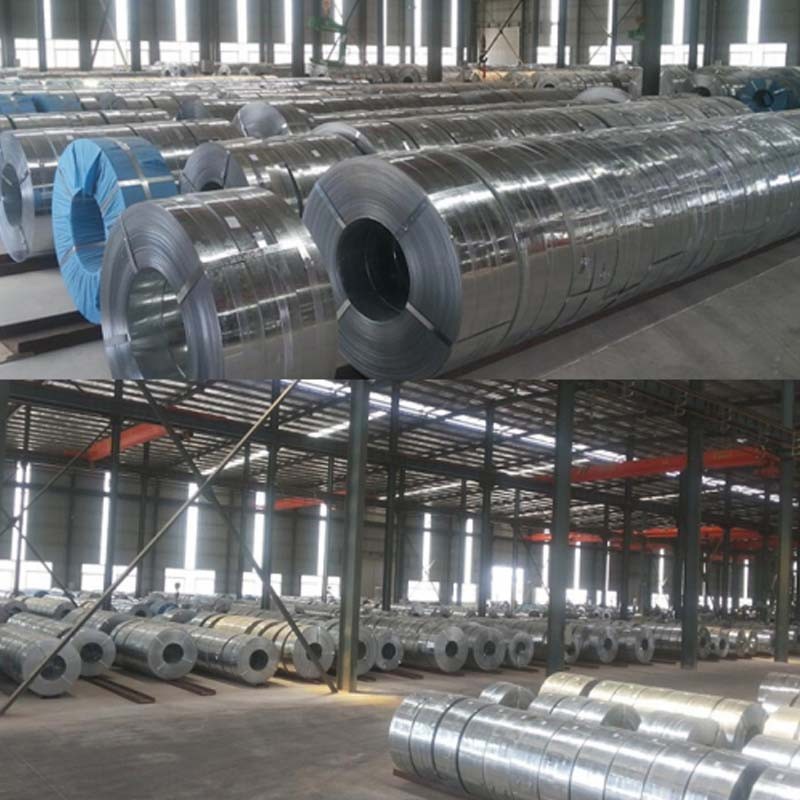
Hot-rolled strip steel refers to flat steel products of great length produced via hot rolling and supplied in coil form. Typically, the thickness ranges from 1 to 20 mm, and the width ranges from 600 to 2000 mm. It can be used directly as hot-rolled steel plate or serve as feedstock for cold-rolled strip steel. It is widely used in industries such as automotive manufacturing, electrical machinery, chemicals, and shipbuilding, and also serves as a raw material for cold rolling, welded pipe production, and cold-formed steel sections.
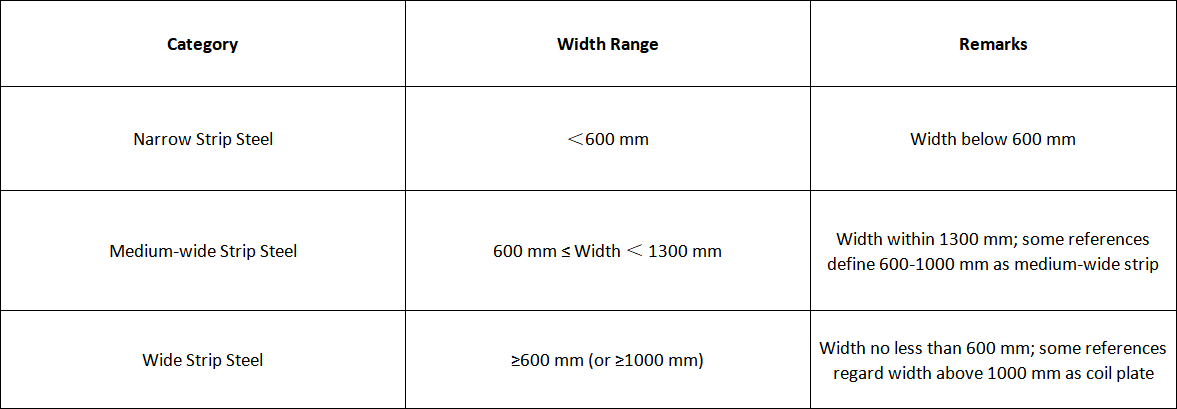
1. Classification by width
Hot-rolled strip steel is categorized by width into three types: narrow strip, medium-width strip, and wide strip.
2. Classification by rolling process
3. Classification by steel grade composition

Core performance requirements
The technical requirements for hot-rolled strip steel cover four main aspects: dimensional accuracy, flatness (shape), surface quality, and performance.
1. Dimensional accuracy
Thickness accuracy is the core of dimensional control; it not only affects end-use performance and subsequent processes—such as continuous automatic stamping—but also significantly impacts metal conservation.
2. Flatness (Shape)
Flatness requirements dictate that the material must be flat, free from waviness or warping. As strip steel is both wide and thin, it is highly sensitive to uneven deformation; the thinner the material, the more difficult it is to maintain good flatness.
3. Surface quality
Strip steel has the highest surface-area-to-volume ratio among steel products and is frequently used for exterior components. Surface defects not only impair appearance but can also create weak points prone to stress concentration, cracking, and corrosion.
4. Mechanical and processing properties
Hot-rolled strip steel for general structural use requires good cold-bending and welding properties; specific mechanical property requirements depend on the intended application.
5. Versatility
Hot Rolled Steel Strip can be easily cut, bent, and formed into different shapes, making it adaptable to a wide range of applications.
6. Weldability
Hot Rolled Steel Strip exhibits good weldability, making it suitable for fabrication and welding processes in manufacturing.
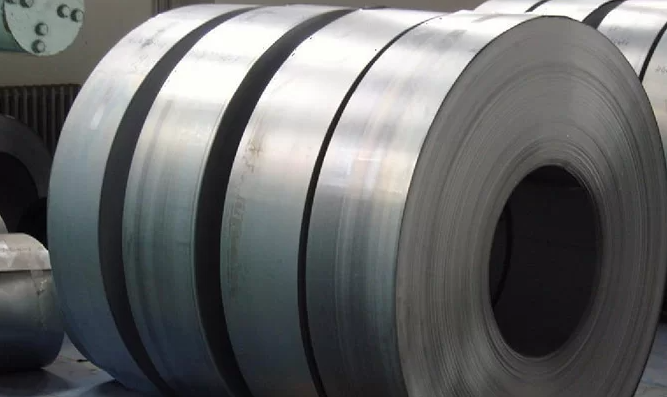
Steel strip has an extremely wide range of applications, serving sectors such as the automotive industry, machinery manufacturing, construction engineering, steel structures, and consumer hardware; it acts as a raw material for products including cold-rolled strip steel, cold-formed steel sections, and welded steel pipes.
Applications:
Hot Rolled Steel Strip is used in various industries and applications, including:
Automotive: for making automobile parts, chassis components, and structural reinforcements.
Construction: for building frames, supports, and other structural components.
Pipes and Tubes: for manufacturing welded and seamless steel pipes and tubes.
Machinery and Equipment: for producing machine parts and components.
Consumer Goods: for appliances, furniture, and other consumer products.
Examples include:
Grades such as Q195–Q345 are used for welded pipes.
Grades 10#–40# are used for precision tubing.
Grades 45#–60# are used for products like blades, stationery, and tape measures.
Grades such as 40Mn, 45Mn, 50Mn, and 42B are used for chains, chain links, stationery, and saw blades.
Grades 65Mn and 60Si2Mn(A) are used for springs, saw blades, clutch plates, tweezers, and clockwork springs.
Grades T8A and T10A are used for saw blades, scalpels, razor blades, and other cutting tools.
Other applications include bicycle frames and rims, door and window hinges and handles, and shipping containers (SPA-H).
General Engineering: for a wide range of engineering applications.
It's essential to select the appropriate grade and specifications of Hot Rolled Steel Strip based on the specific requirements of each application. Additionally, surface treatments or coatings can be applied to enhance the steel strip's properties and performance in specific environments.
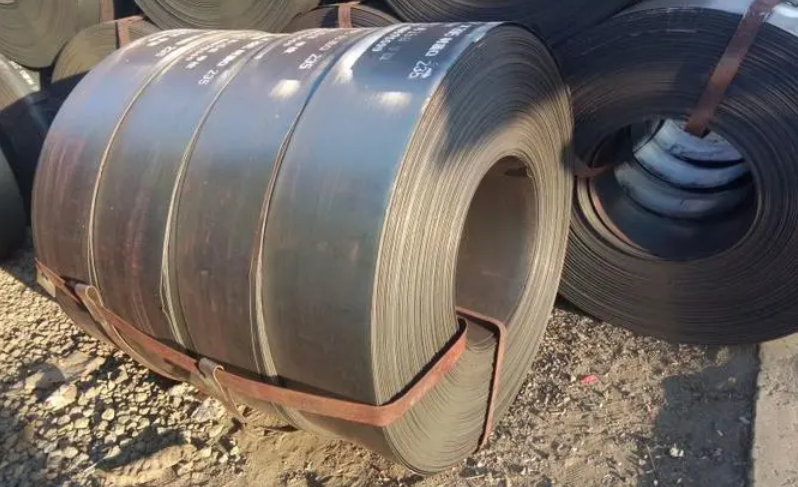
In China, the standards for Hot Rolled Steel Strip are established and maintained by the Chinese National Standards (GB/T - Guo Biao Tuijian). The relevant GB/T standard for Hot Rolled Steel Strip in China is:
GB/T 3524-2015: This Chinese National Standard specifies the technical requirements and test methods for hot-rolled carbon steel strips for welded steel tubes. It covers various dimensions and tolerances for Hot Rolled Steel Strip used in the manufacturing of welded steel tubes.
GB/T 3524 outlines the general requirements for chemical composition, mechanical properties, dimensions, and tolerances of Hot Rolled Steel Strip. This standard ensures the quality and consistency of the product, making it suitable for use in the production of welded steel tubes for various applications.
In the United States, the standards for Hot Rolled Steel Strip are set and maintained by the American Society for Testing and Materials (ASTM) and the American Iron and Steel Institute (AISI). The relevant ASTM and AISI standards for Hot Rolled Steel Strip in the US are:
ASTM A568 / A568M: This ASTM standard covers the general requirements for steel sheet in coils and cut lengths. ASTM A568 includes hot-rolled carbon, structural, high-strength low-alloy, high-strength low-alloy with improved formability, and ultra-high strength steel sheet and strip in coils. The standard specifies the various grades and designations of Hot Rolled Steel Strip and outlines the general requirements for chemical composition, mechanical properties, dimensions, and tolerances.
AISI S200: The AISI S200 North American Standard for Cold-Formed Steel Framing - General Provisions includes information on hot-rolled steel strip as one of the raw materials used in cold-formed steel framing systems.
In the United Kingdom, the standards for Hot Rolled Steel Strip are generally specified by the British Standards Institution (BSI) and European standards issued by the European Committee for Standardization (CEN). The relevant standards for Hot Rolled Steel Strip in the UK include:
BS EN 10111: This European standard specifies the requirements for continuously hot-rolled low carbon steel sheet and strip for cold forming. While not specifically designated as "Hot Rolled Steel Strip," it covers the hot-rolled material that is used for subsequent cold forming processes, including steel strip.
BS EN 10025-2: This European standard specifies the technical delivery conditions for hot-rolled non-alloy structural steel products. Although it is not specific to Hot Rolled Steel Strip, it covers a wide range of hot-rolled steel products, including strip, used in structural applications.
BS EN 10139: This European standard specifies the technical delivery conditions for cold-rolled narrow steel strip for heat treatment. While it deals with cold-rolled steel strip, it is relevant as Hot Rolled Steel Strip can be subsequently processed through cold rolling and heat treatment.
These European standards provide guidelines for the general technical requirements, dimensions, and tolerances for Hot Rolled Steel Strip and related products used in various industries. Additionally, some specific applications or industries may have their own requirements and specifications that Hot Rolled Steel Strip must meet.
In Japan, the standards for Hot Rolled Steel Strip are established and maintained by the Japanese Industrial Standards (JIS). The relevant JIS standard for Hot Rolled Steel Strip in Japan is:
JIS G 3131: This Japanese Industrial Standard specifies the hot-rolled mild steel plates, sheets, and strips for general use. It covers a wide range of dimensions and tolerances for Hot Rolled Steel Strip, which is commonly used in various industrial applications.
JIS G 3131 outlines the general requirements for chemical composition, mechanical properties, dimensions, and tolerances of Hot Rolled Steel Strip. This standard ensures the consistency and quality of the product, making it suitable for a wide range of uses in manufacturing, construction, and other industries.
The nominal thickness of the steel strip is within the range specified, any size in multiples of 0.1mm.
The nominal width of the steel strip is within the range specified, any size in multiples of 10mm.
Allowable deviation of thickness of steel strip (including continuous rolling steel plate):
Specify the minimum yield strength R. The thickness deviation of the steel strip (including continuous rolling steel plate) less than 360 MPa shall comply with the provisions. If the buyer requires higher thickness accuracy (PT.B) to supply, it should be specified in the contract, and if not specified, it should be supplied according to ordinary thickness accuracy (PT.A). According to the requirements of the buyer, the upper and lower deviations of the steel strip can be adjusted within the tolerance range specified.
Specify the minimum yield strength R. The thickness deviation of the steel strip not less than 360 MPa (including the continuous rolling steel plate) shall comply with the provisions. If the buyer requires higher thickness accuracy (PT.B) to supply, it should be specified in the contract, and if not specified, it should be supplied according to ordinary thickness accuracy (PT.A). According to the requirements of the buyer, the upper and lower deviations of the steel strip can be adjusted within the tolerance range specified.
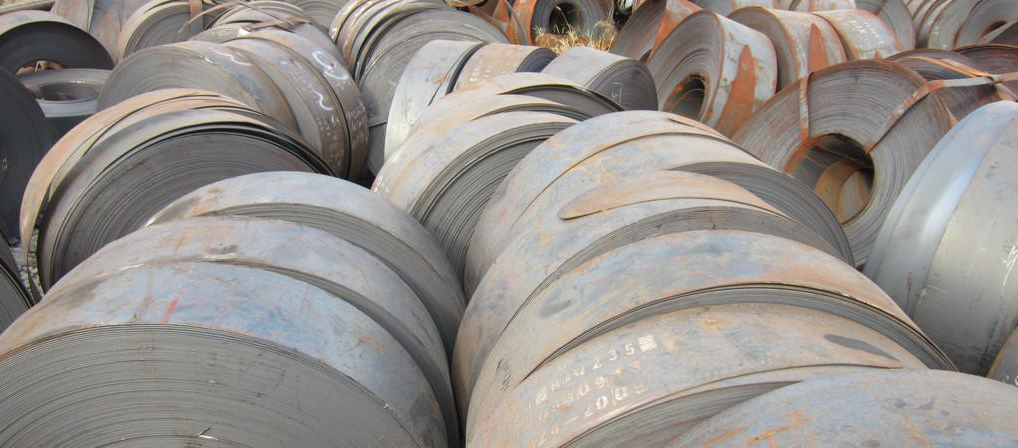
When the yield strength and the thickness tolerance are not specified in the product standard, the thickness tolerance of the steel strip (including continuous rolling steel plate) shall be negotiated by the supplier and the buyer, and shall be specified in the contract.
Weathering steel plate, also known as corten steel or atmospheric corrosion-resistant steel, is a type of steel that gains its unique properties through the natural formation of a protective rust-like surface when exposed to the elements. This steel is designed to have enhanced weather resistance and is used in various structural and architectural applications.
Standard specifications for hot-rolled ordinary carbon steel strip range from 1.80 to 6.00 mm in thickness and 50 to 1,200 mm in width. Modern, advanced production lines are now capable of the efficient production of thin-gauge products ranging from 0.8 to 1.2 mm.