
High-Strength Low-Alloy Steel (HSLA steel) is a type of engineering structural steel developed by adding small amounts (typically <0.2%) of alloying elements (such as niobium, vanadium, and titanium) to ordinary carbon steel. Compared to ordinary carbon steel of equivalent strength, HSLA steel can reduce the dead weight of a structure by 20% to 30%. Depending on the specific alloying elements, HSLA steel can be classified into types such as Mn steel, Si-V steel, Mn-RE steel (containing rare earth elements), Ti steel, Nb steel, and Mn-V steel. Originally developed for large-diameter oil and gas pipelines, HSLA steel is now widely used in the automotive, construction, bridge, and shipbuilding industries.
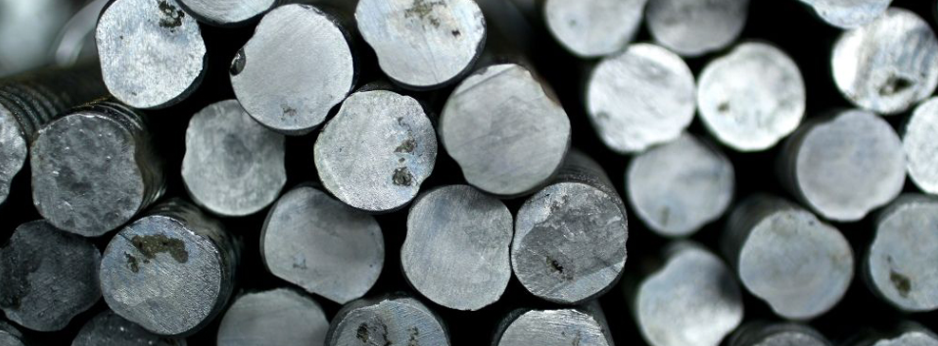
Its core feature is “low investment, high return”:
• Higher strength: Through precipitation hardening and grain refinement caused by microalloying elements, the yield strength of HSLA steel typically ranges from 350 to 550 MPa, far exceeding the 235 MPa of ordinary carbon steel. This means that under the same load-bearing requirements, thinner steel plates can be used, thereby reducing the weight of the structure.
• Better toughness: Its excellent low-temperature impact toughness allows it to perform reliably in cold regions and effectively resist brittle fracture.
• Greater corrosion resistance: Compared to ordinary carbon steel, its resistance to atmospheric corrosion is 20%–30% higher.
In addition, HSLA steel offers the following characteristics:
Excellent weldability: The low carbon content (<0.25%) ensures good weldability; most HSLA steels can produce high-quality welds without preheating, making them suitable for the welded assembly of large structures.
Good formability: Combining high strength with good cold formability, it is suitable for processing techniques such as stamping and bending.
Outstanding fatigue resistance: With excellent fatigue performance, it is suitable for structural components subjected to alternating loads.
Cost-effectiveness: Microalloying technology achieves high strength at a lower cost, effectively reducing the structural weight and lowering material consumption and transportation costs.
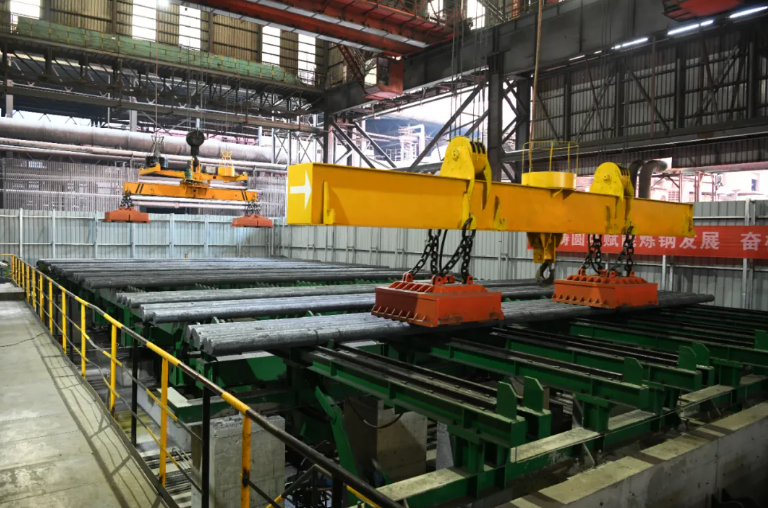
Applications
HSLA steel is widely used in automotive manufacturing (body frames, chassis components), construction machinery, bridge construction, pressure vessels, and other fields, and is one of the preferred materials for lightweight design.
Automotive Manufacturing: Used in chassis components, subframes, suspension systems, seat brackets, structural reinforcements, and more, improving fuel economy and reducing emissions by reducing weight.
Construction and Bridge Engineering: Used in lightweight beams and columns, structural components for high-rise buildings, and long-span bridges—engineering structures that demand a high strength-to-weight ratio.
Energy and Pipeline Sector: HSLA steel was originally developed for large-diameter oil and gas pipelines and remains widely used today in oil and gas transmission pipelines, vessels, and large-scale steel structures.
Transportation Sector: Used in ship structures, shipping containers, and transportation equipment to reduce structural weight through its high strength.
Heavy Equipment Sector: Used in structural components with high strength requirements, such as cranes, safety guardrails, and construction equipment.
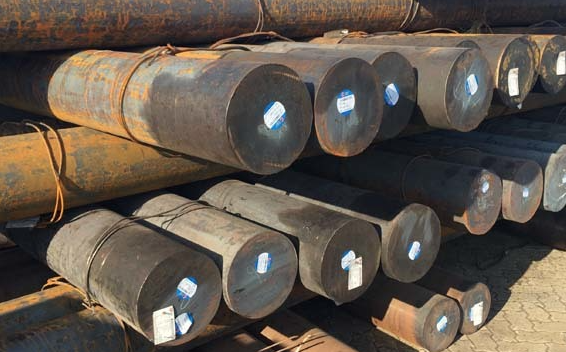
Different countries and regions may have their own standard systems, the following are some commonly used national standards:
Chinese Standards (GB/T):
GB/T 1591-2018, “Low-Alloy High-Strength Structural Steel,” is the core standard for HSLA steel, specifying technical requirements such as grades, chemical composition, and mechanical properties for low-alloy high-strength structural steel. This standard covers commonly used grades such as Q355B, Q390, Q420, and Q460.
In addition, GB/T 38809-2020 “General Technical Requirements for Low-Alloy Ultra-High-Strength Steel” applies to products with higher strength grades.
U.S. Standards (ASTM):
ASTM A29/A29M:
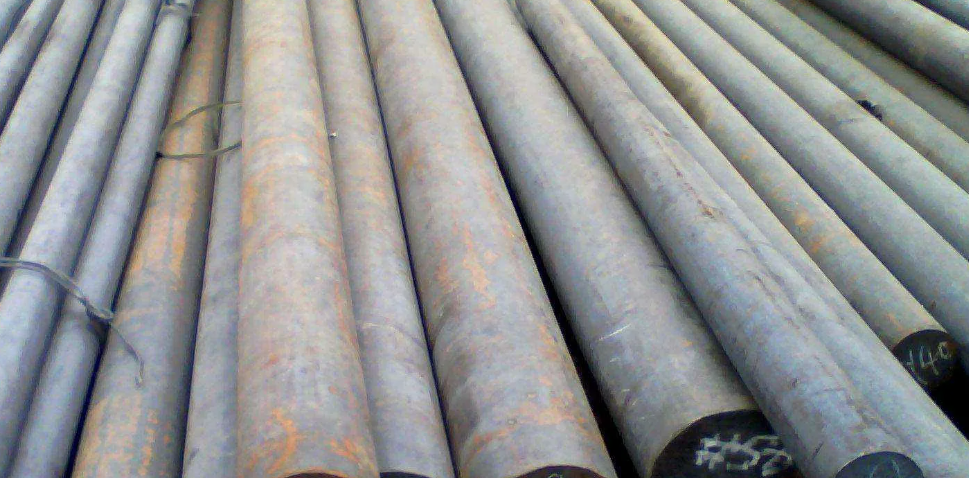
This standard covers a range of carbon structural steels, including some low-alloy round bars, and serves as a general technical specification for hot-rolled and cold-formed carbon and alloy steel bars (covering dimensional tolerances and testing requirements).
ASTM A572/A572M “High-Strength Low-Alloy Niobium-Vanadium Structural Steel” covers specifications for HSLA structural steel sections, plates, sheet piles, and bars, including strength grades such as Gr42, Gr50, Gr55, Gr60, and Gr65.
European Standards (EN):
EN 10149-2, “Technical Conditions for the Supply of Thermomechanically Rolled High-Strength Low-Alloy Steels,” is the commonly used European standard for HSLA steel.
Japanese Standards (JIS):
JIS G4051: This standard specifies a series of general-purpose structural carbon steels, including some low-alloy round bars.
JIS G3136: This standard specifies certain low-alloy high-strength steel plates and strips suitable for welding.
International Standards (ISO): The ISO 630 “Structural Steels” series of standards covers the relevant requirements for low-alloy high-strength structural steels.
Copyright Notice © 2022 - 2023 ChinaSteelMarket.com All rights reserved.