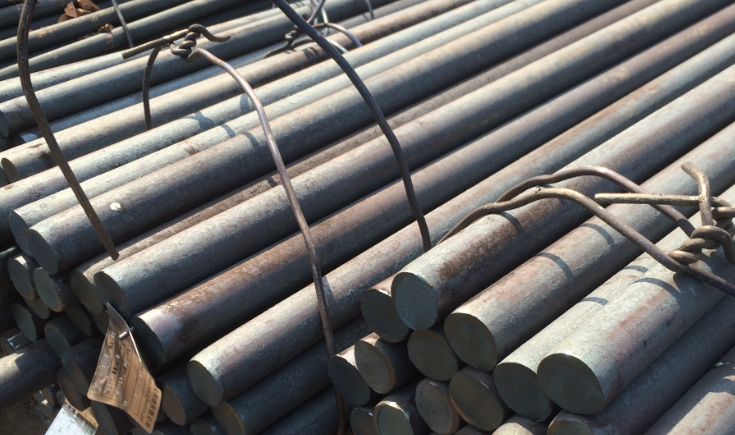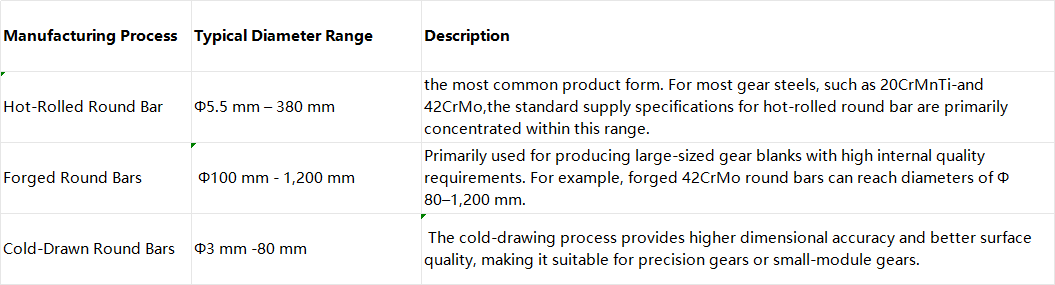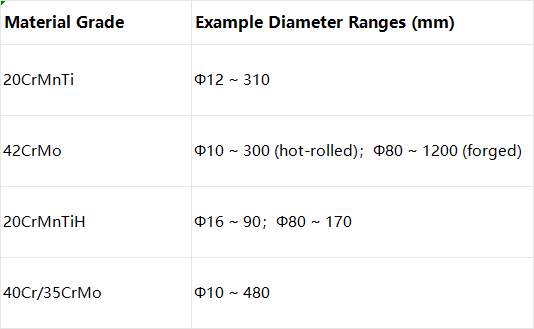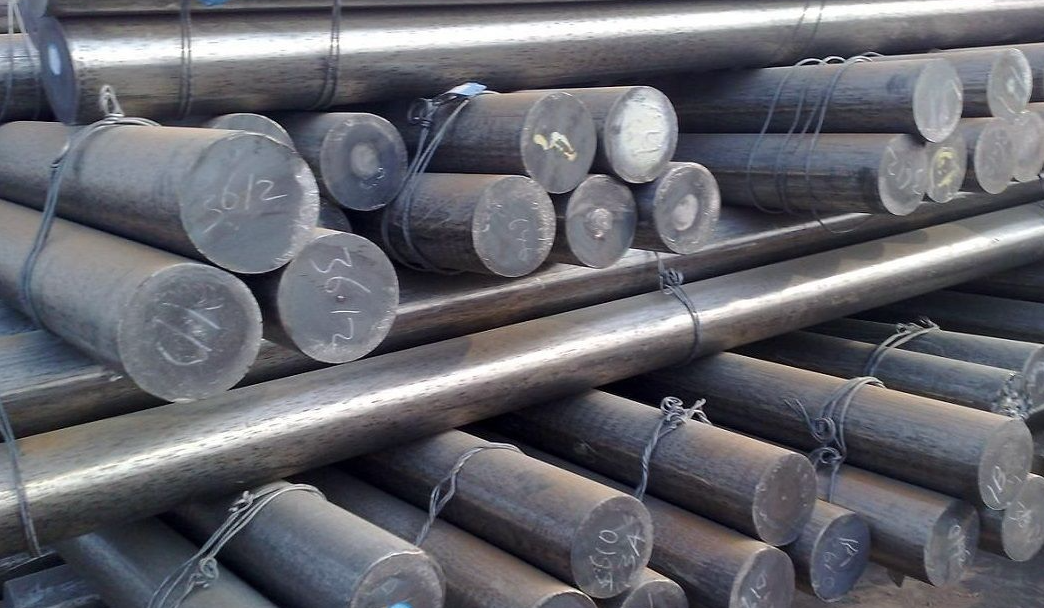

Gears are core components of mechanical transmission systems, and the selection of materials directly affects the performance, service life, and reliability of equipment. “Gear steel” is a general term for various types of steel used in the manufacture of gears, encompassing low-carbon steel, medium-carbon steel, low-alloy steel, and medium-alloy steel, among others. Through heat treatment processes such as carburizing, nitriding, quenching and tempering, and surface hardening, gear steels achieve a combination of high surface hardness and wear resistance with good core toughness. They are primarily used in automotive transmissions, wind turbine gearboxes, construction machinery drive axles, and rail transit traction systems. The selection of gear steel requires comprehensive consideration of various factors, including load characteristics, operating environments, heat treatment requirements, and cost control.
Based on heat treatment methods and performance requirements, gear steels are primarily classified into the following categories:
Carburized steels: These include 20CrMnTi, 17CrNiMo6, 18CrNiMo7-6, 20CrMo, and others. After carburizing and quenching, the surface hardness of the gear teeth can reach 56–63 HRC, while the core exhibits good toughness. Among these, 20CrMnTi has both surface hardness and core toughness close to 95 (on a scoring system), offering well-balanced and excellent performance; it is the most widely used gear material in China. 17CrNiMo6 is a heavy-duty carburizing steel conforming to German standards, with all performance metrics at a high level, making it an ideal choice for heavy-duty gears; 18CrNiMo7-6 is a high-performance carburizing steel conforming to European standards, with a surface hardness rating close to 98, making it suitable for applications requiring extremely high surface hardness.
Quenched and tempered steels: These include 40Cr, 42CrMo, and 45#, among others. After quenching and tempering, they exhibit a good balance of strength and toughness. 40Cr has a core toughness rating of 98, offering overall balanced and superior performance, making it suitable for medium-load gears; 42CrMo achieves a fatigue life and machinability rating of 98, making it suitable for gears subjected to high-strength loads; 45# is a high-quality carbon structural steel with moderate performance across the board and a lower cost, making it suitable for applications with less stringent performance requirements.
Nitrided steels: Represented by 38CrMoAl, these steels achieve a surface hardness score of 100 after nitriding treatment, exhibit minimal heat treatment distortion, and do not require gear grinding after nitriding, making them suitable for gears requiring extremely high surface hardness and high precision.
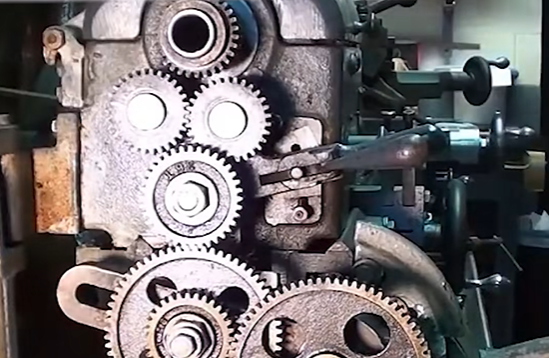
Key Performance Characteristics
Balance of Surface Hardness and Core Toughness: Gear steels achieve high surface hardness on the tooth faces through carburizing, nitriding, or surface hardening processes (56–63 HRC for carburized steel; nitrided steel can reach over 1,000 HV), effectively resisting pitting and spalling caused by contact fatigue, while maintaining good toughness in the core (40Cr core toughness score of 98) to withstand impact loads.
Hardening depth is a key indicator: Hardening depth directly affects the uniformity of gear performance after heat treatment. The hardening depth range for automotive carburized gear steels has been narrowed to 6 HRC. Due to their high hardenability, 17CrNiMo6 and 18CrNiMo7-6 are suitable for large-section, heavy-duty gears.
Good machinability: Gear steels must meet the requirements of complex machining processes such as forging, turning, gear hobbing, gear shaping, and gear grinding. Machinability ratings generally range from 80 to 98, with 42CrMo achieving a machinability rating of 98.
High purity requirements: High-end gear steels have strict limits on oxygen content and inclusions; carburized gear steel for vehicles requires an oxygen content of ≤15 ppm to ensure fatigue life.
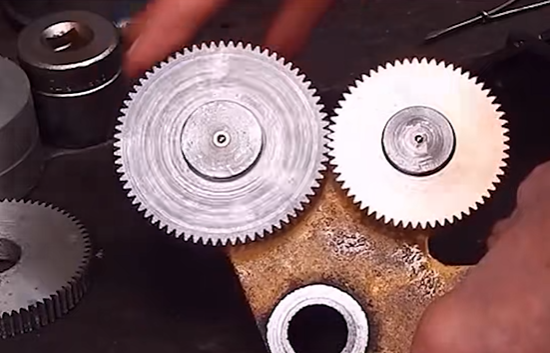
Applications
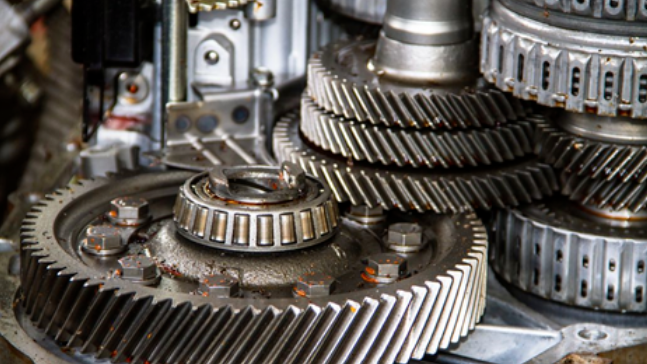
Automotive Manufacturing: Transmission gears, differential gears, drive gears, rear axle drive and driven gears, etc. 20CrMnTi is the primary steel grade used for automotive gears and holds a dominant position in the gear industry.
Wind Power: Heavy-duty gears such as those in wind turbine gearboxes. High-grade gear steels such as 18CrNiMo7-6 are widely used in wind turbine gear sets, where they withstand alternating heavy loads and complex stresses.
Construction Machinery Sector: Transmission gears and reduction gearbox gears for heavy equipment such as excavators, bulldozers, and cranes often utilize high-hardenability materials such as 17CrNiMo6.
Rail Transit Sector: Components subjected to significant impact loads, such as locomotive traction gears.
High-Precision Transmission Sector: 38CrMoAl nitrided steel exhibits minimal heat treatment distortion and is suitable for the manufacture of high-precision gears.





|

|

|

|

|
| Timely Info | Independent | Platform | Multiple guarantees | Self-operated storage |
China Steel Market
Empowering small and medium-scale steel purchasing

| About us | Channel | Useful tools |
|---|---|---|
| About China Steel Market | Prices | Steel Weight Calculation |
| Contact Us | Answers | Why Choose Us |
| Terms & Conditions | Inventory | |
| Privacy Policy | Help |
Hot search words:
China Rebar prices China Wire Rod Prices Welded Steel Pipe Prices