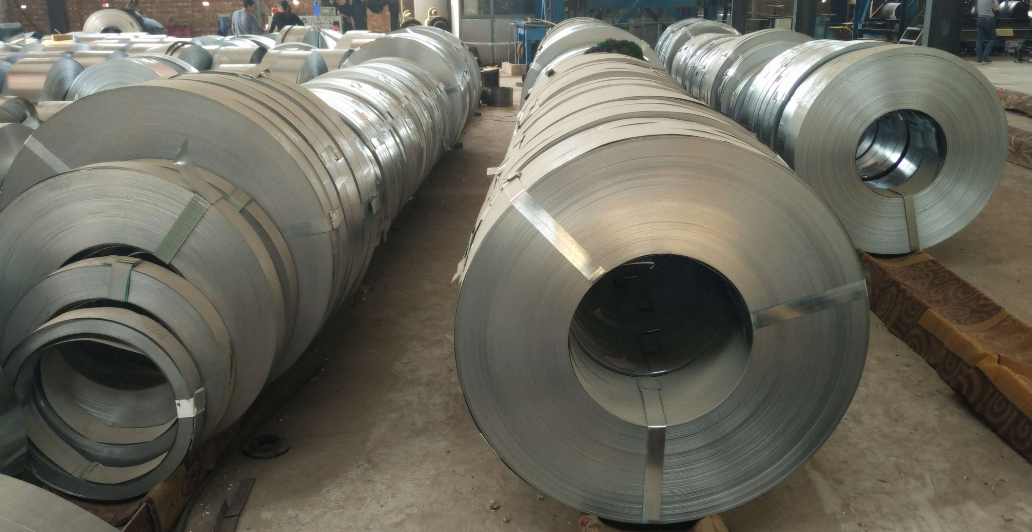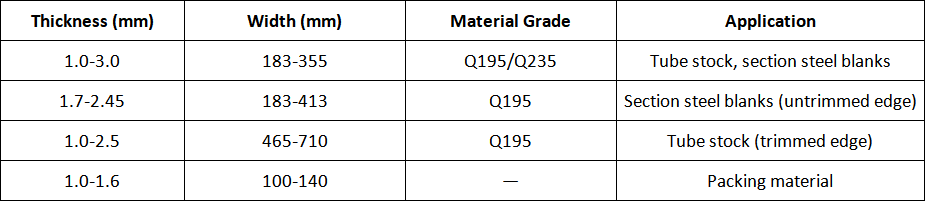

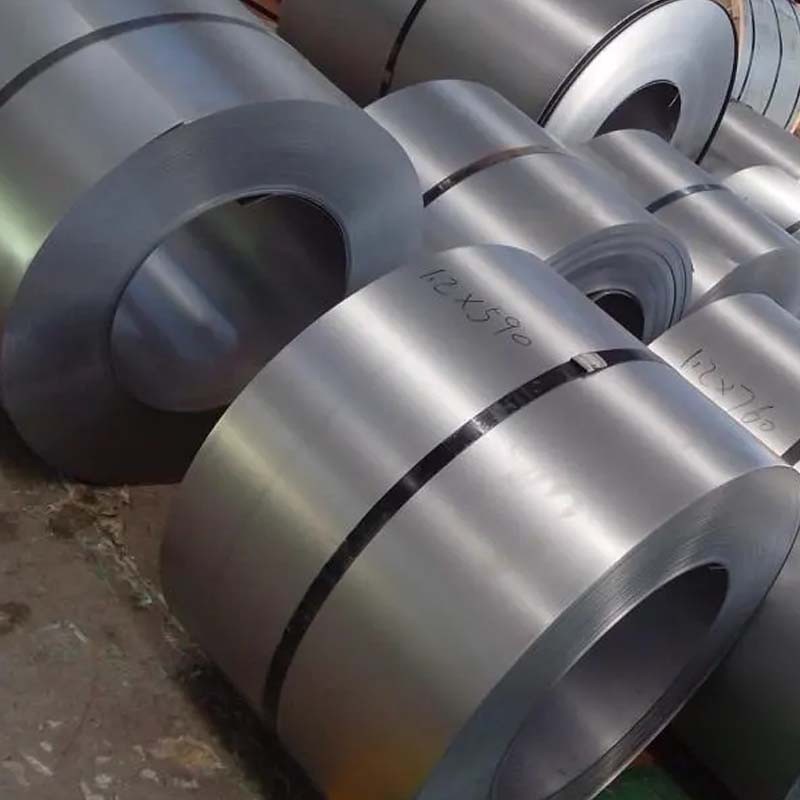
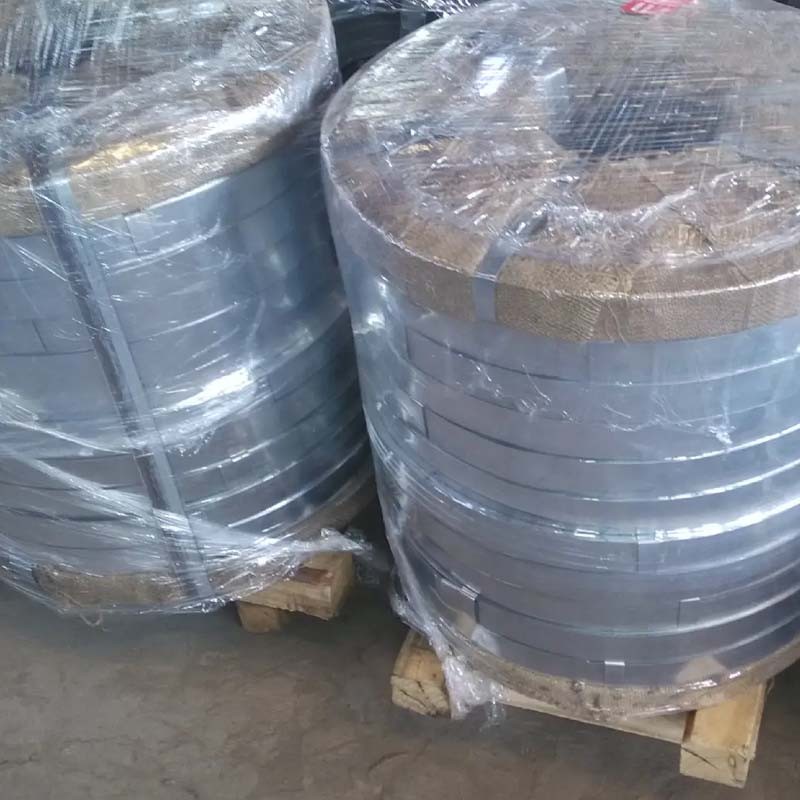
Galvanized steel strip refers to narrow, long, flat steel products made from hot-rolled or cold-rolled long steel strips as a base, with a zinc or zinc alloy coating formed on the surface through a galvanizing process. It is primarily delivered in coils, a key characteristic that distinguishes it from galvanized steel sheets. Compared to wide galvanized sheet coils, galvanized steel strip is characterized by its flexible specifications, wide range of applications, and strong processing adaptability, and is widely used in pipe manufacturing, cold-formed steel sections, light steel construction, and hardware manufacturing.
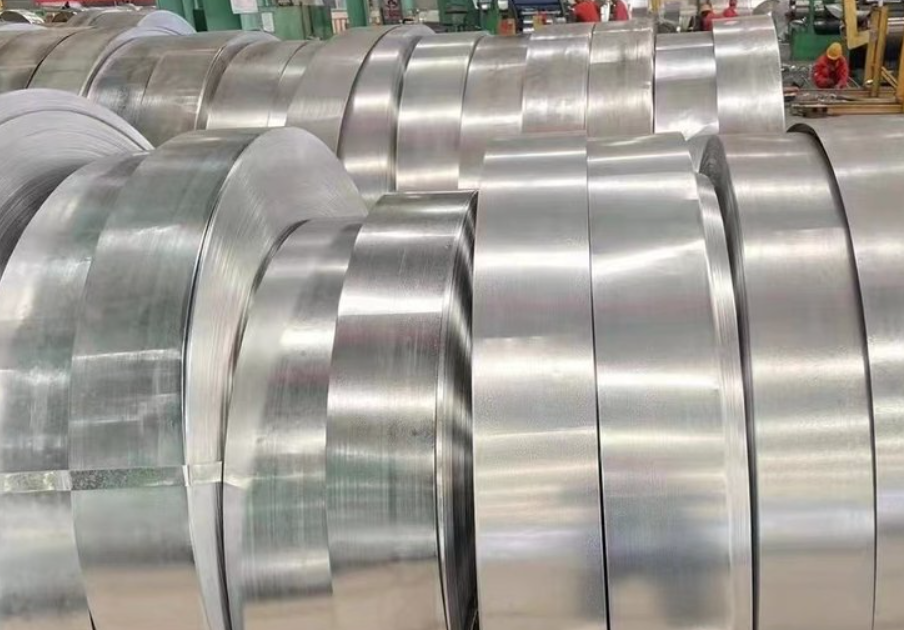
The core value of galvanized steel strip lies in the metallurgical bond between the coating and the substrate. During the hot-dip galvanizing process, the substrate undergoes a complex physicochemical reaction with the molten plating solution, fusing the alloy layer, the pure zinc layer, and the steel strip substrate into a single, corrosion-resistant, and tightly structured zinc-iron alloy layer.
The characteristics of galvanized steel strip include: Uniform coating and strong adhesion: The hot-dip galvanized layer bonds firmly to the substrate. Excellent corrosion resistance: The zinc layer provides both physical barrier and electrochemical protection. Flexible specifications: Widths can cover the entire range from narrow to medium-width. Strong processing adaptability: Supports various processing methods such as rolling, bending, shearing, and welding. Galvanized steel strip is classified into two main categories according to substrate type: cold-rolled steel strip and hot-rolled steel strip; and into two categories according to galvanizing process: hot-dip galvanized steel strip and electro-galvanized steel strip.
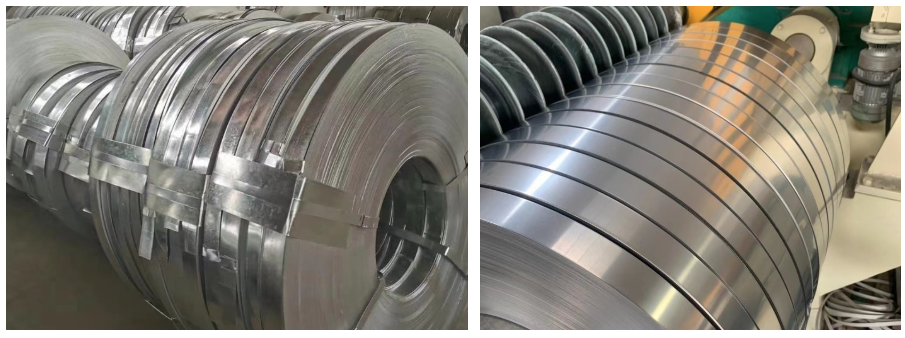
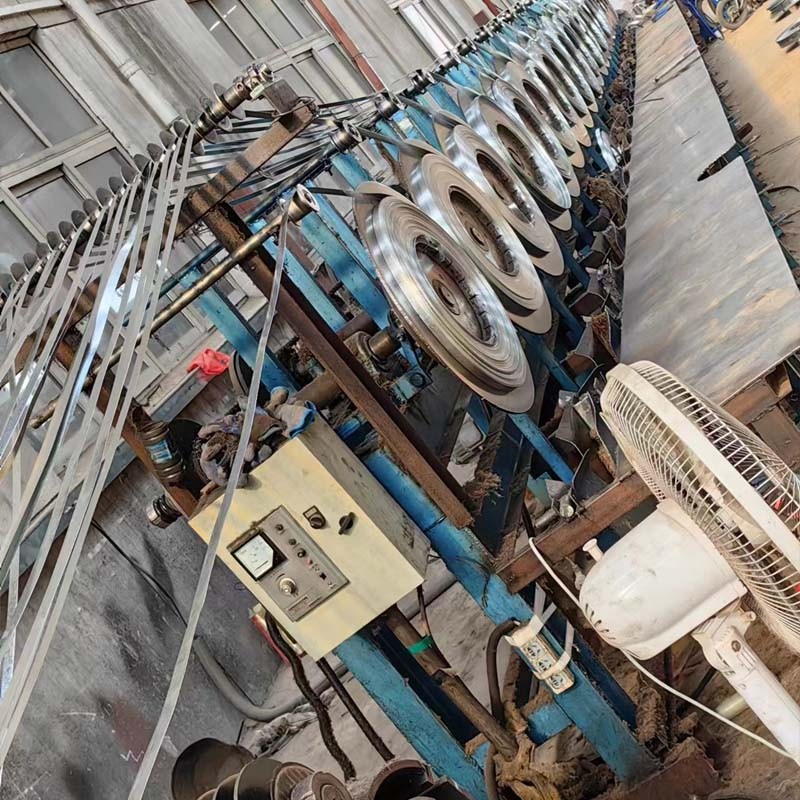
The production of galvanized steel strip primarily utilizes hot-dip galvanizing.
Strip (hot-rolled/cold-rolled coil) → Uncoiling → Pickling (removing iron oxide scale) → Cleaning (ammonium chloride/zinc chloride solution) → Hot-dip galvanizing (immersion in molten zinc) → Post-galvanizing treatment (passivation/oiling) → Coiling → Finished product.
Main functions of galvanized coating:
1. Physical isolation and protection: The zinc layer covers the steel substrate, isolating it from air, moisture, and salt, preventing direct contact with corrosive media and avoiding rust.
2. Sacrificial anode electrochemical protection: Once the coating is damaged, zinc, being more reactive than iron, corrodes preferentially, protecting the internal steel from rust.
3. Improved processing performance: The smooth coating surface reduces cracking during stamping, bending, and bundling, making it suitable for deep processing into packaging buckles, pipes, and profiles.
4. Enhanced appearance: Creates a uniform silver-gray metallic surface, reducing rust spots and resulting in a neat finished product appearance.
5. Suitable for outdoor conditions: Compared to sheet metal, it is more resistant to moisture and mild salt spray environments, extending the service life of downstream products.
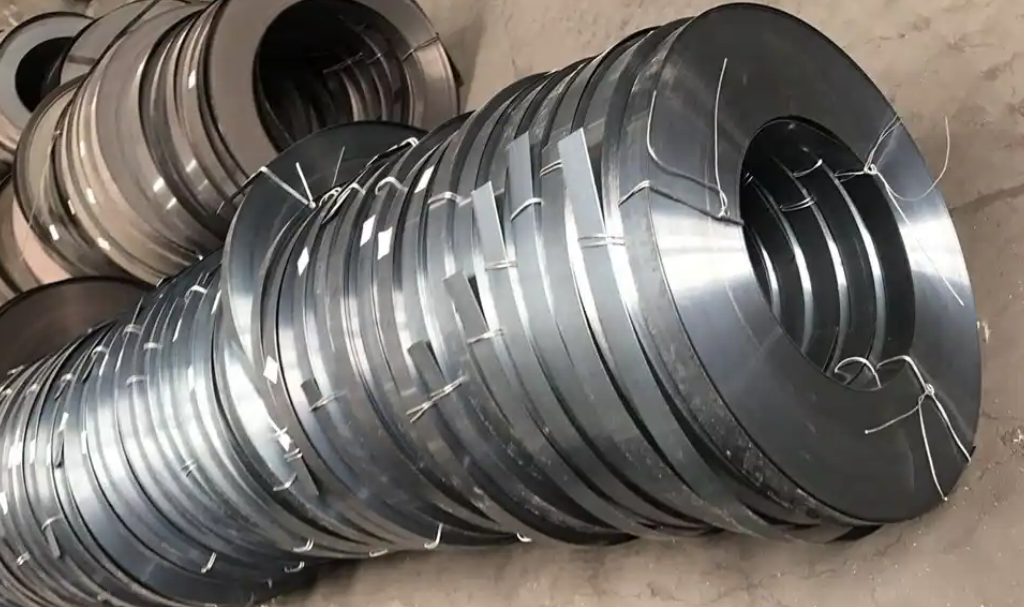
Core Performance Characteristics
1. Excellent Corrosion Resistance: During the galvanizing process, galvanized steel strip forms a multi-layered structure consisting of a zinc-iron alloy layer and a pure zinc layer, which are integrated with the steel substrate. The zinc layer acts as a sacrificial anode, protecting the substrate even when the coating is partially damaged. Hot-dip galvanized steel strip exhibits a uniform coating, strong adhesion, and a long service life.
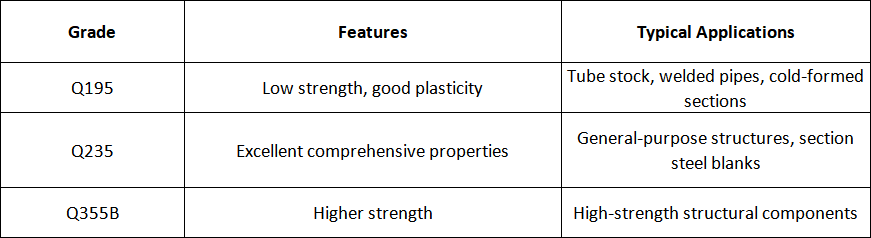
2. Good Mechanical Properties: Taking typical galvanized steel strip as an example: Tensile strength: ≥270MPa; Yield strength: ≥205MPa. Structural grade products can meet even higher strength requirements; Q390 grade galvanized steel strip is already in mass production.
3. Excellent Processing and Forming Performance
Galvanized steel strip is suitable for various processing methods such as roll forming, bending, shearing, and welding. It is widely used in light steel keel roll forming and purlin roll forming.
4. Stable Coating Quality
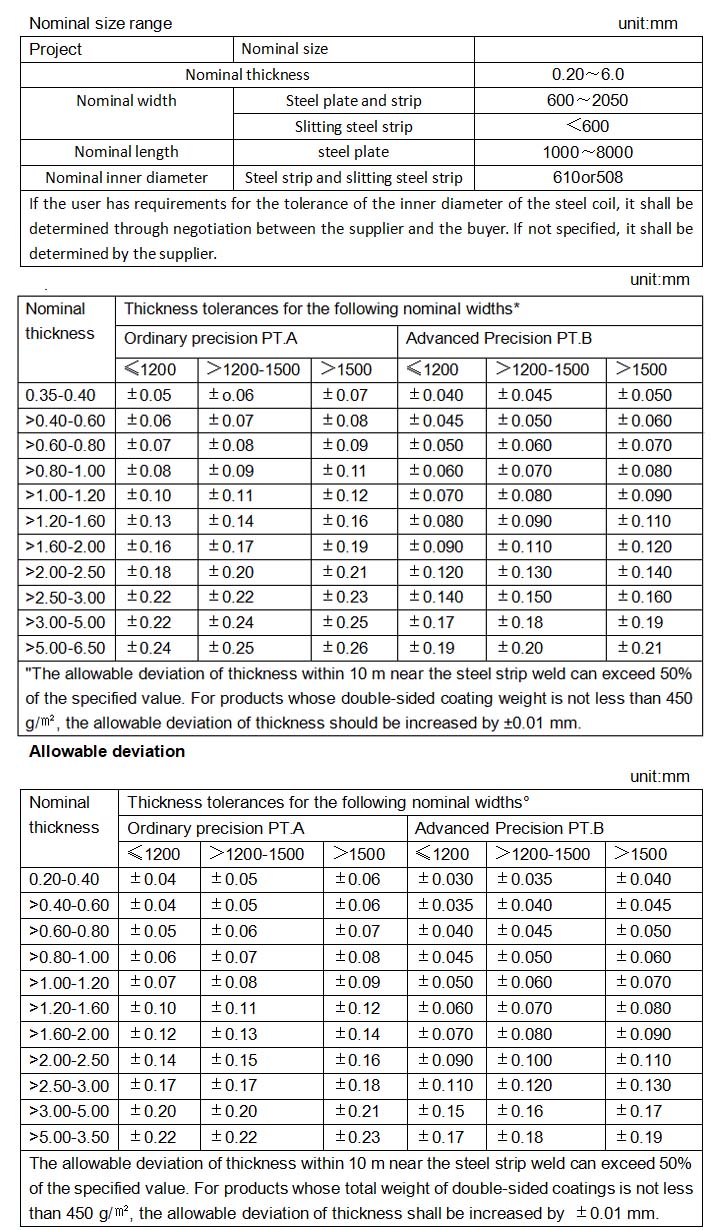
Hot-dip galvanizing allows for precise control of coating weight, typically ranging from 40 to 275 g/m². The coating uniformity is superior to electro-galvanizing.
5. Diverse Surface Treatments
Galvanized steel strip can undergo various post-treatments:
Passivation: Improves the surface structure and gloss of the coating, enhancing corrosion resistance.
Oil treatment: Temporary rust prevention.
Pre-phosphating treatment: Improves coating adhesion.
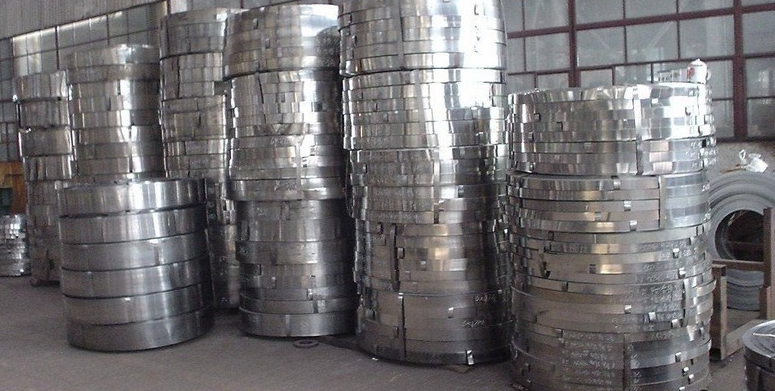
Galvanized steel strip is characterized by uniform coating, strong adhesion, and flexible specifications, and is widely used in welded pipe manufacturing, cold-formed steel, light steel keel, photovoltaic brackets, architectural hardware, and automotive parts. Compared to wide galvanized sheet coils, galvanized steel strip is more suitable for continuous processing scenarios such as pipe making and cold bending. Currently, galvanized steel strip is continuously developing towards higher strength, higher zinc content and greater reinforcement, and wider specifications and widths.



|

|

|

|

|
| Timely Info | Independent | Platform | Multiple guarantees | Self-operated storage |
China Steel Market
Empowering small and medium-scale steel purchasing

| About us | Channel | Useful tools |
|---|---|---|
| About China Steel Market | Prices | Steel Weight Calculation |
| Contact Us | Answers | Why Choose Us |
| Terms & Conditions | Inventory | |
| Privacy Policy | Help |
Hot search words:
China Rebar prices China Wire Rod Prices Welded Steel Pipe Prices