
Duplex stainless steel is a type of stainless steel currently classified alongside ferritic, martensitic, and austenitic stainless steels. In its microstructure, ferrite and austenite each constitute approximately equal proportions, resulting in high strength, good resistance to pitting corrosion and stress corrosion cracking, and superior high-temperature weldability. Its yield strength is approximately twice that of 18-8 type austenitic stainless steel (such as 304), while also exhibiting good resistance to pitting corrosion and chloride stress corrosion cracking. Due to its significantly lower nickel content compared to 300 series austenitic stainless steels, duplex stainless steel is also positioned as a high-performance, resource-saving material.
It is primarily used in shipbuilding, petrochemicals, papermaking, vacuum salt production, and seawater desalination industries. Through precise alloy composition design, ferrite-forming elements such as chromium and molybdenum are balanced with austenite-forming elements such as nickel and nitrogen, thus achieving a multiphase microstructure at room temperature.
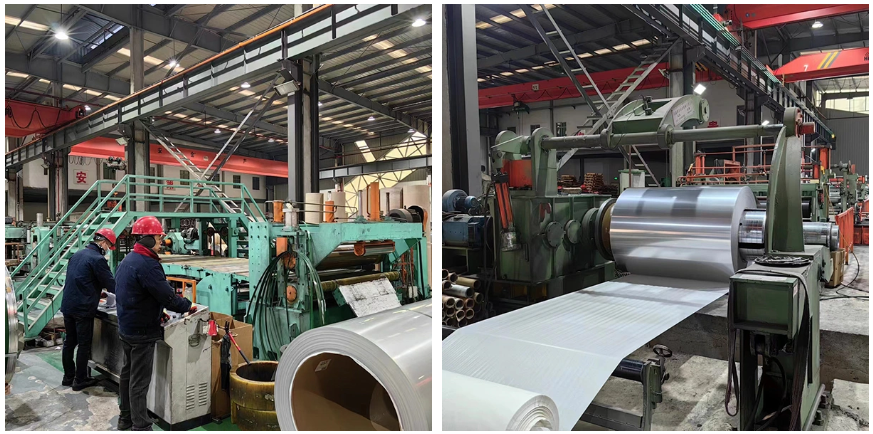
Duplex Stainless Steel: Main Grades and Classifications
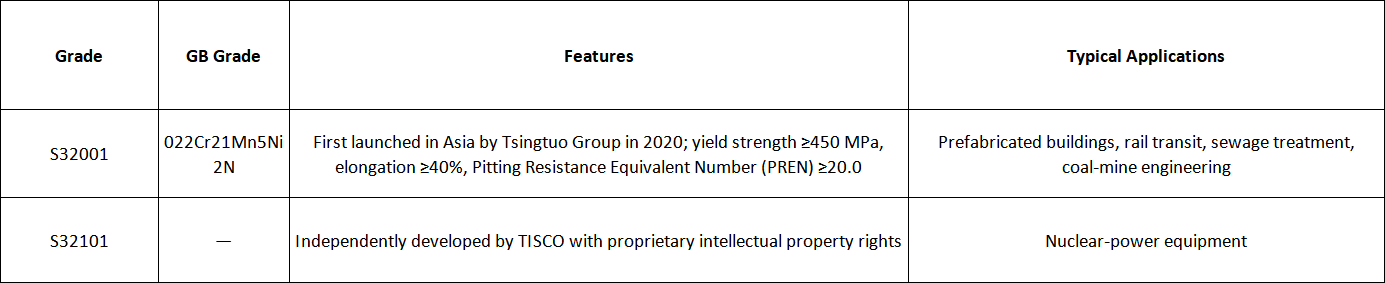
1. Economic Duplex Stainless Steel
2. Standard Duplex Stainless Steel
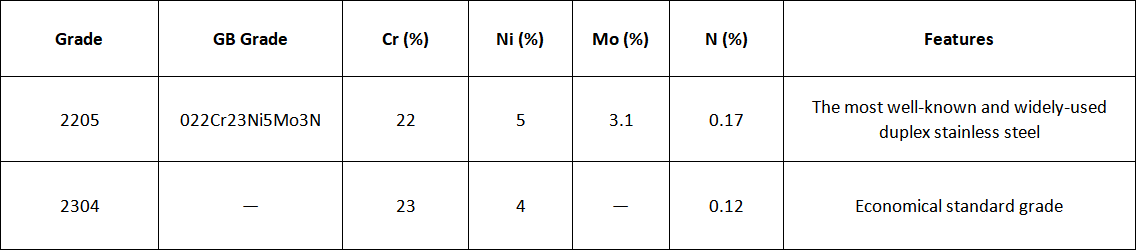
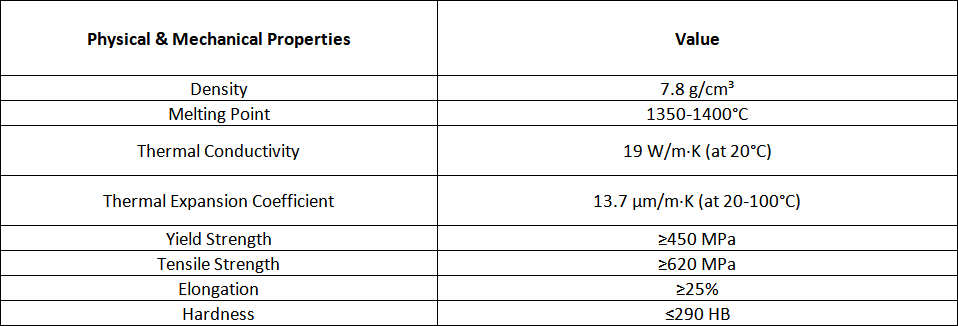
2205 duplex steel is a high-strength, stainless, and corrosion-resistant steel. Its main chemical composition includes approximately 22% chromium, 5% nickel, and 3% molybdenum. Compared to traditional austenitic stainless steel, 2205 duplex steel has higher tensile strength and yield strength, as well as better resistance to stress corrosion cracking.
Advantages of 2205 Stainless Steel Coils
2.1 Excellent Corrosion Resistance
Due to its high chromium and molybdenum content, 2205 duplex steel coils exhibit significantly higher corrosion resistance than standard austenitic stainless steels (such as 304 and 316). This is particularly evident in chloride-containing and seawater environments.
2.2 High Strength
The yield strength of 2205 duplex steel coils is approximately 250 MPa, twice that of ordinary austenitic stainless steel. Therefore, it allows for reduced wall thickness and weight in designs, thereby lowering costs.
2.3 Good Weldability
2205 duplex stainless steel coils possess good weldability and require no preheating or post-heat treatment. However, to maintain their excellent corrosion resistance and mechanical properties, appropriate heat treatment should be performed after welding.
2.4 Good Impact Resistance
The duplex structure provides higher strength and toughness. The ferritic phase provides good impact resistance, while the austenitic phase provides higher ductility and toughness. 2205 duplex stainless steel coils maintain good impact resistance even at low temperatures.
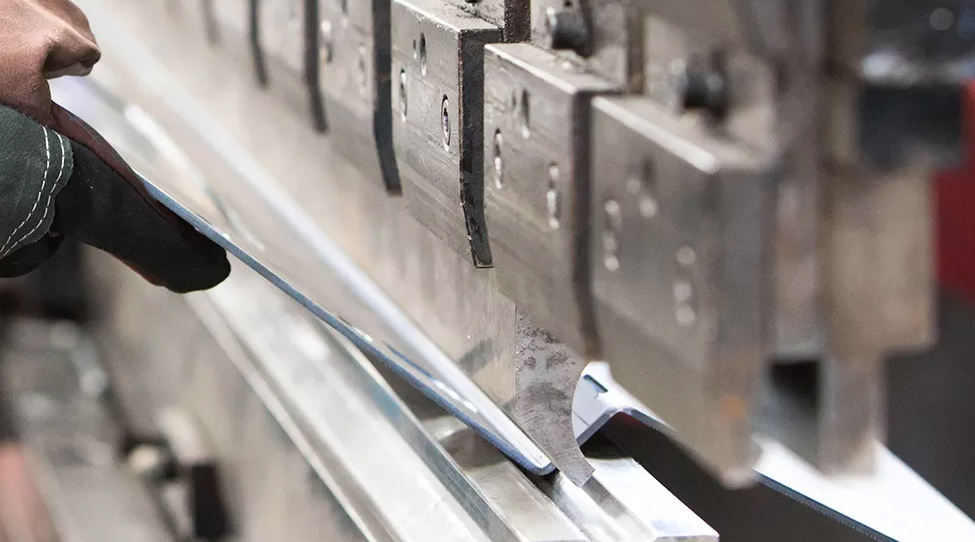
2205 duplex stainless steel coils can be processed in various ways, including cutting, bending, welding, and machining. Due to their high strength and hardness, appropriate tools and techniques are required during processing to ensure processing quality and efficiency.
3. Super Duplex Stainless Steel

Duplex Stainless Steel Production Process
The production process of duplex stainless steel coils is similar to that of conventional stainless steel, but due to the special characteristics of its duplex microstructure, the requirements for process control are more stringent.
1. Smelting and Continuous Casting: The steel is precisely proportioned according to the target grade's chemical composition, smelted in an electric arc furnace, refined with AOD/VOD, and then cast into flat steel billets using a continuous casting machine.
2. Hot Rolling: The billets are heated in a furnace and then hot-rolled. The hot-rolling temperature window for duplex stainless steel is narrow and requires precise control. The heating temperature is typically between 1000 and 1200℃. Taking 2205 as an example, Taiyuan Iron & Steel (TISCO) has successfully solved the edge cracking problem that easily occurs during the rolling of wide coils.
3. Annealing and Pickling: The hot-rolled coils undergo solution annealing to obtain the ideal duplex microstructure ratio and good overall properties. They are then pickled to remove the surface oxide layer.
4. Cold Rolling: The pickled hot-rolled coils undergo multiple cold rolling passes, with a total cold rolling reduction of 60-85%. The final product's dimensions and shape are determined by the cold rolling process. Taiyuan Iron & Steel Group (TISCO) has successfully developed cold-rolled wide-width coils with a minimum thickness of 0.6mm, achieving mass production of both hot-rolled and cold-rolled coils.
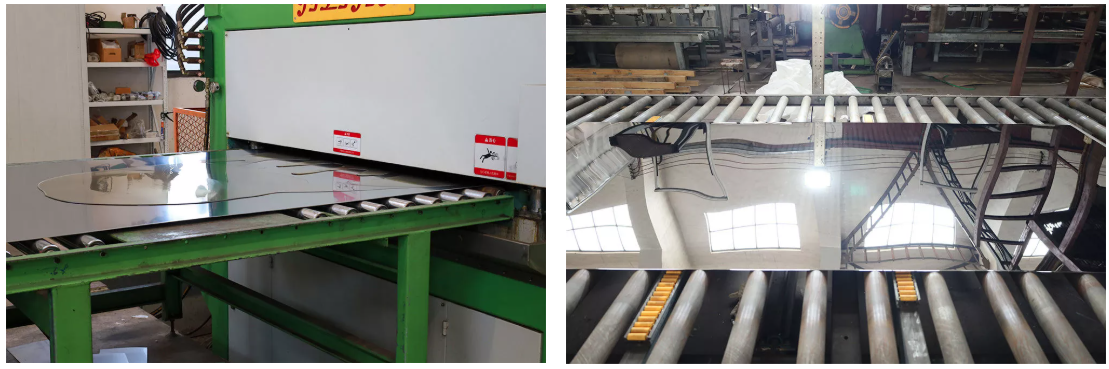
Duplex stainless steel properties
Core Advantages
1. Extremely high strength: Yield strength is twice that of 18-8 type austenitic stainless steel (such as 304). 2507 yield strength can reach 550-700MPa.
2. Excellent corrosion resistance: Good resistance to pitting corrosion, uniform corrosion, and chloride stress corrosion. Stress corrosion resistance is far superior to 304 stainless steel.
3. Good weldability: Low tendency for hot cracking during welding. Due to the characteristics of the duplex microstructure, weldability is excellent.
4. Excellent physical properties: High thermal conductivity and low coefficient of linear expansion, facilitating work hardening.
5. High energy absorption capacity: Good impact resistance.
6. Resource-saving: Compared with austenitic stainless steels such as 316L, it significantly reduces the amount of precious metal nickel used.
Main limitations:
1. Higher price: Although it saves nickel, the high alloy content makes it significantly more expensive than conventional austenitic stainless steel.
2. Greater processing difficulty: Due to its high strength and resistance to deformation, it requires more sophisticated processing equipment and techniques.
3. Risk of brittle phase precipitation: Prolonged holding at temperatures between 750-900℃ may cause the precipitation of harmful intermetallic phases such as σ and χ phases, reducing toughness and corrosion resistance. High-alloy grades (such as 2507) exhibit this precipitation more rapidly.
4. Weak magnetism: It may exhibit weak magnetism in strong magnetic fields.
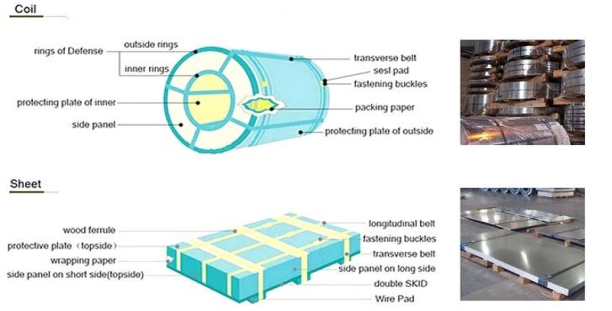
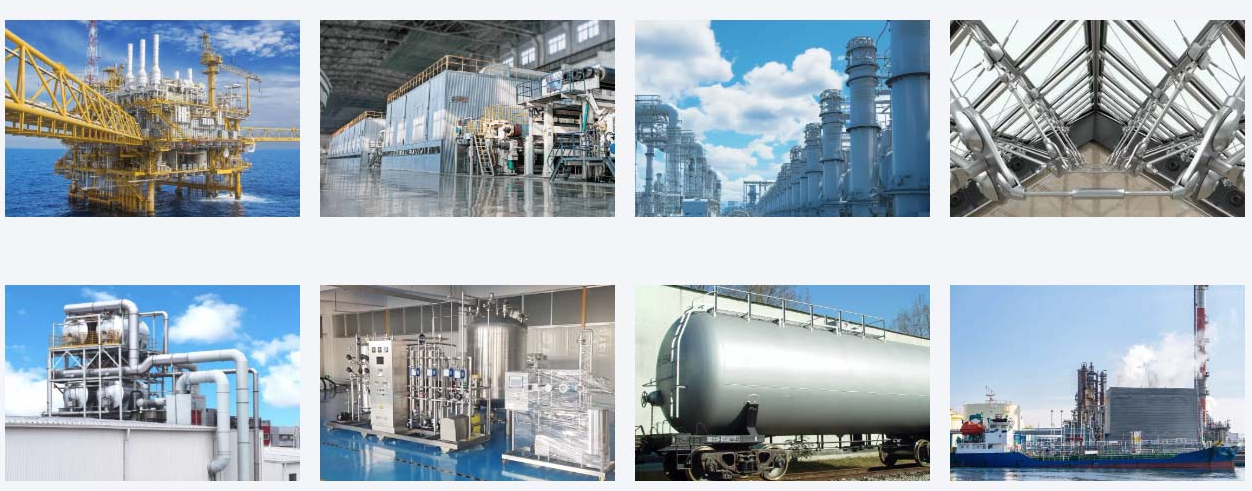
Applications of Duplex Stainless Steel:
1. Chemical Tanker Manufacturing: Used for the inner lining of liquid cargo tanks, replacing 316L/304L. It offers high strength and corrosion resistance, allowing for thinner plates to meet surface roughness and classification society certification requirements.
2. Pulp and Paper Manufacturing: Used in cooking and bleaching equipment. Resistant to high-temperature alkaline solutions and chlorine-containing oxidants, it allows for thinner walls, addressing the corrosion issues of 316L.
3. Natural Gas Gathering Pipelines: Used in gathering pipelines for acidic environments containing H₂S, CO₂, and Cl⁻. Certified by international oil companies, it is suitable for high-pressure and high-temperature transportation.
4. Nuclear Power: Used for spent fuel pool lining panels (S32101) and seawater circulation pump bodies (2507, etc.), balancing corrosion resistance, economy, and high-temperature strength.
5. Cross-Sea Bridges: Used for bridge pier reinforcement and connectors. Resistant to high-concentration Cl⁻ corrosion, it offers high strength and toughness. Used in major projects such as the Hong Kong-Zhuhai-Macau Bridge. 6. Pressure Vessels: Used in reactors, heat exchangers, heads, plate heat exchangers, etc., to solve stress corrosion and pitting corrosion, replacing austenitic stainless steel with good economic benefits.
7. Building Curtain Walls: Used in coastal building supports and decorative components, resistant to high temperature, high humidity, and wind and sand corrosion, ensuring aesthetics and safety.
8. Seawater Desalination: Used in multi-stage flash evaporation/fractionation equipment, resistant to Cl⁻ pitting corrosion, suitable for large-scale desalination projects.
Furthermore, its applications have expanded to rail transportation, water conservancy projects, environmental desulfurization, water treatment, and other fields.
Core Advantages: High strength, excellent corrosion resistance, thinner profile, long service life, and economical replacement.
Duplex stainless steel coils are widely used in high-end industrial fields such as shipbuilding and marine engineering, petrochemicals, nuclear power, and seawater desalination. With technological breakthroughs and capacity expansion by domestic enterprises, duplex stainless steel is rapidly achieving import substitution, and the market size is expected to continue expanding at a compound annual growth rate of 5.7%-7.1%. Driven by both economical and super duplex stainless steel, the application prospects of duplex stainless steel are very broad.
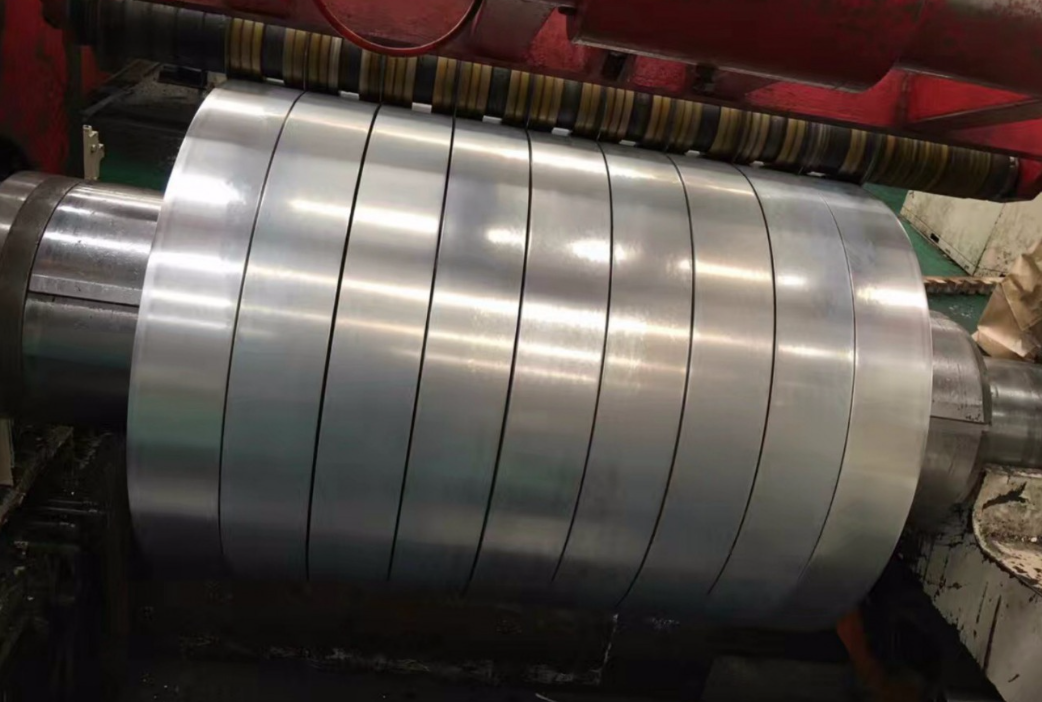
Duplex stainless steel coil & sheet vary from country to country. The following are some common Chinese, British, American and Japanese national standards:
Chinese standard:
GB/T 20878-2007 "Stainless steel and heat-resistant steel grades and chemical composition"
British Standard:
BS EN 10088-2-2014 "Stainless steel. Technical delivery conditions for general purpose corrosion resistant steel sheet/plate and strip"
American standard:
ASTM A240/A240M-20a, Standard Specification for Pressure Vessels and Chromium and Chromium-Nickel Stainless Steel Plate, Sheet, and Strip
Japanese standard:
JIS G4304:2005 "Hot-rolled stainless steel plate, sheet and strip"
This standard specifies the grades and chemical compositions of stainless steel and heat-resistant steel, and includes the physical parameters of some grades, the comparison table of foreign standard grades, applicable standards for stainless steel and heat-resistant steel grades, etc. in the form of informative appendices.
Copyright Notice © 2022 - 2023 ChinaSteelMarket.com All rights reserved.