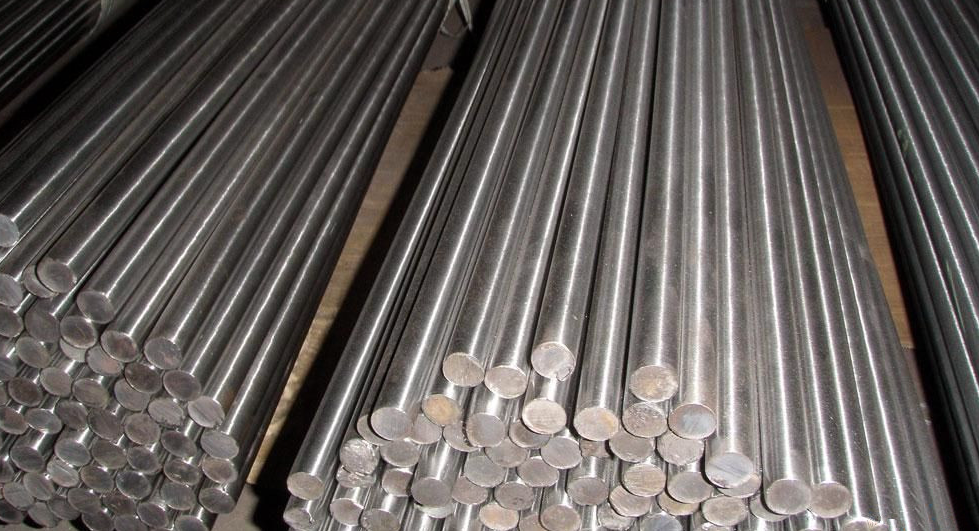

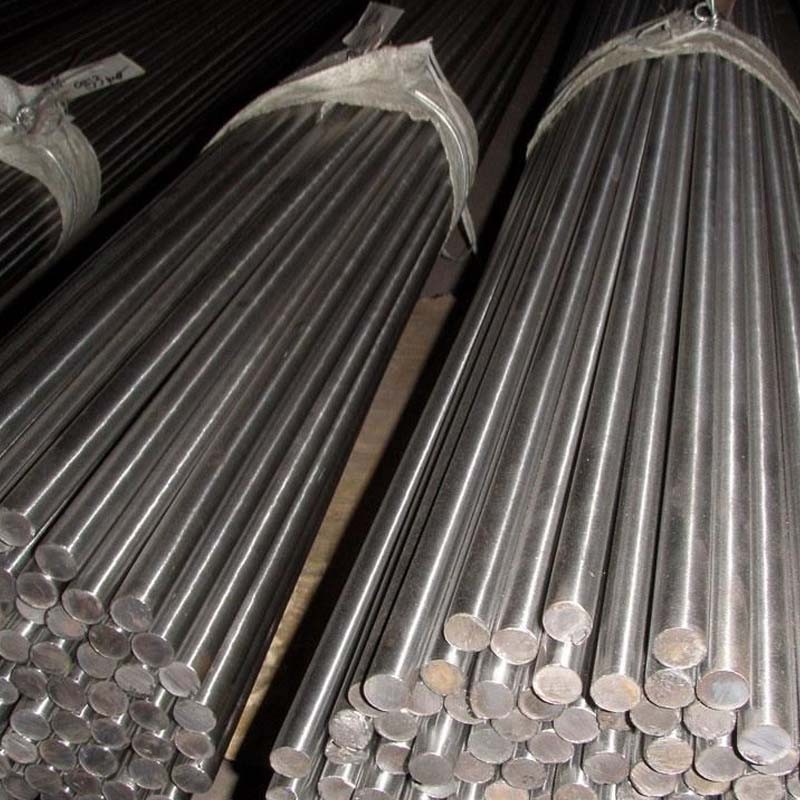
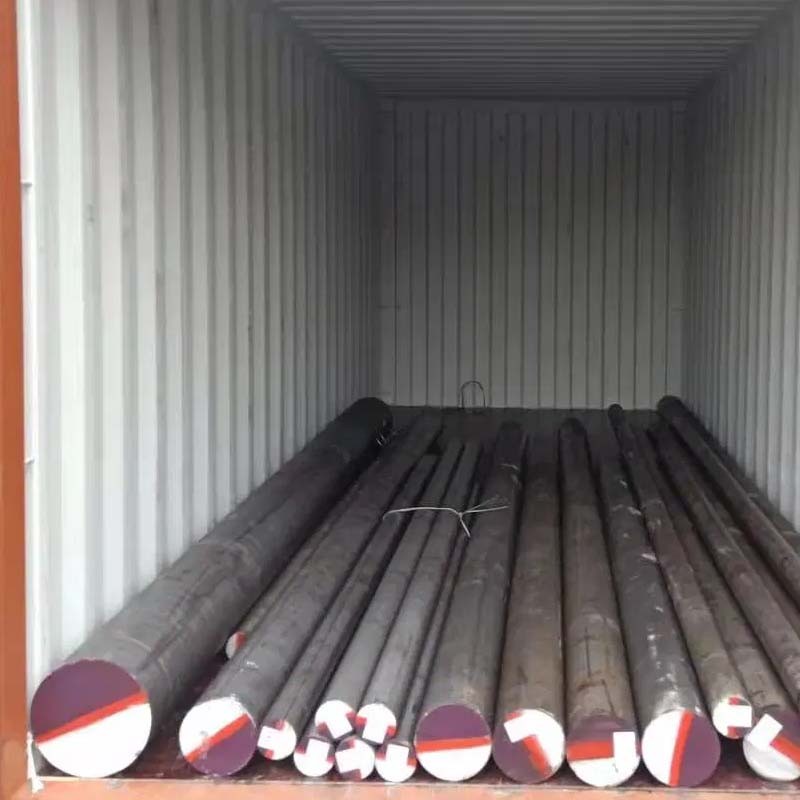
Cold heading steel forming steel, cold heading is one or more impact loading at room temperature, widely used in the production of standard parts such as screws, pins, and nuts. The cold heading process can save raw materials, reduce costs, and increase the tensile strength of the workpiece through cold work hardening to improve performance. The steel for cold heading must have good cold forging performance, and the content of impurities such as S and P in the steel is reduced. The surface quality of steel is strictly required, and high-quality carbon steel is often used. If the carbon content of steel is more than 0.25%, spheroidizing annealing heat treatment should be carried out to improve the cold heading performance of steel.
Process flow of cold heading steel production:
Molten iron→converter→refining furnace→continuous casting (die casting)→slab inspection→slab opening and continuous rolling→slab grinding→high-end hot-rolled wire rod→finished product inspection→storage.
The key to smelting cold heading steel is to improve the purity of molten steel and reduce the pollution of non-metallic inclusions in molten steel. Stabilizing the carbon content at the end point of molten steel within the specified range is the main measure to reduce the degree of oxidation of molten steel and reduce the pollution of non-metallic inclusions in molten steel.
Advantages of cold heading steel:
1. High-strength cold heading steel has high strength and hardness, and can withstand large loads and impact forces. This results in high durability and service life for parts made of cold heading steel.
2. Good processing performance Cold heading steel has good plasticity and machinability, and is easy to carry out cold heading processing and forming. This enables cold heading steel to be made into parts of various shapes to meet the needs of different industrial fields.
3. Excellent corrosion resistance Cold heading steel has good corrosion resistance after special treatment process. This allows the cold heading steel to be used for a long time in harsh working environments, prolonging the service life of the parts.
4. Economical and efficient parts made of cold heading steel have high strength and hardness, which can reduce the use of materials and reduce production costs. The cold heading process has the characteristics of high efficiency and low energy consumption, which improves production efficiency.
5. Environmental protection and energy saving Cold heading processing is a processing technology without waste and cutting fluid, which reduces the pollution to the environment. Parts made of cold heading steel have a long service life and reduce resource consumption.
The use of cold heading steel:
1. Bolts and nuts Cold heading steel has good mechanical properties and high strength, so it is often used to make bolts and nuts. Bolts and nuts are commonly used fastening elements in mechanical connectors, and are widely used in automobiles, mechanical equipment, construction and other fields.
2. Studs and pins Studs and pins made of cold heading steel have high strength and wear resistance, and are suitable for transmission systems of various mechanical equipment. Studs and pins are common transmission elements in mechanical equipment, used to transmit force and rotation.
3. Steel wire rope The steel wire rope made of cold heading steel has excellent tensile properties and corrosion resistance, and is widely used in lifting, transportation and other fields. Wire rope is an important industrial rope used for hoisting, traction and fixing operations.
4. Coil springs Coil springs made of cold heading steel have high elasticity and good resilience, and are widely used in automobiles, home appliances and other fields. Coil spring is a common elastic element used for shock absorption, cushioning and support of various mechanical equipment.
5. Cold heading parts Cold heading steel can be made into parts of various shapes through cold heading processing technology, such as screws, pins, pull nails and so on. These cold heading parts are widely used in automobiles, mechanical equipment, electronic products and other fields, and are indispensable parts in machinery manufacturing.
With a wide range of uses and a series of advantages, cold heading steel has become one of the indispensable materials in industrial production. With the continuous development of technology, the application field of cold heading steel will be further expanded, providing more possibilities for the development of all walks of life.



|

|

|

|

|
| Timely Info | Independent | Platform | Multiple guarantees | Self-operated storage |
China Steel Market
Empowering small and medium-scale steel purchasing

| About us | Channel | Useful tools |
|---|---|---|
| About China Steel Market | Prices | Steel Weight Calculation |
| Contact Us | Answers | Why Choose Us |
| Terms & Conditions | Inventory | |
| Privacy Policy | Help |
Hot search words:
China Rebar prices China Wire Rod Prices Welded Steel Pipe Prices