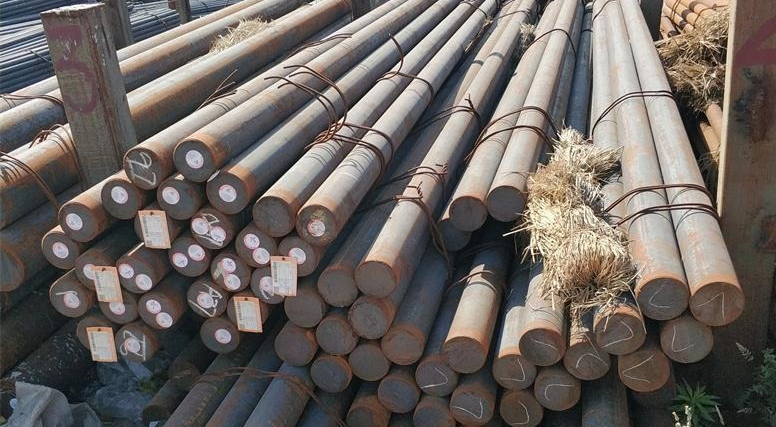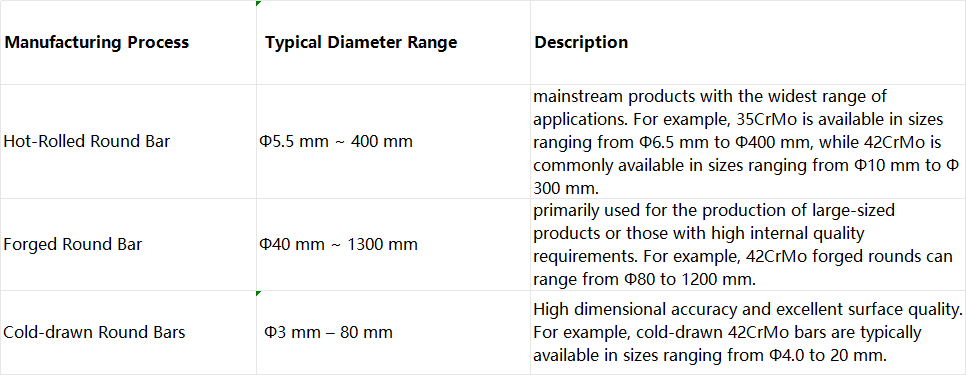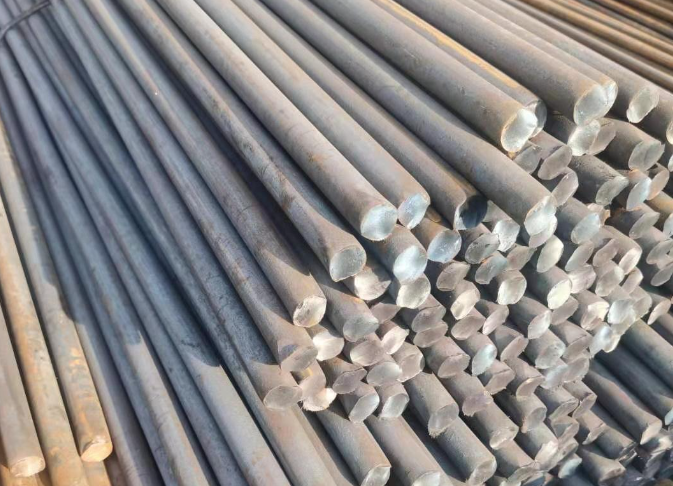

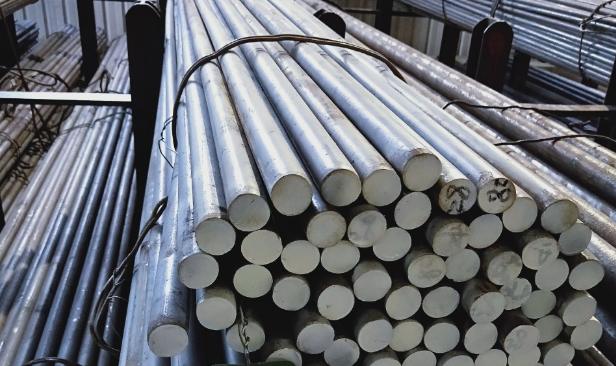
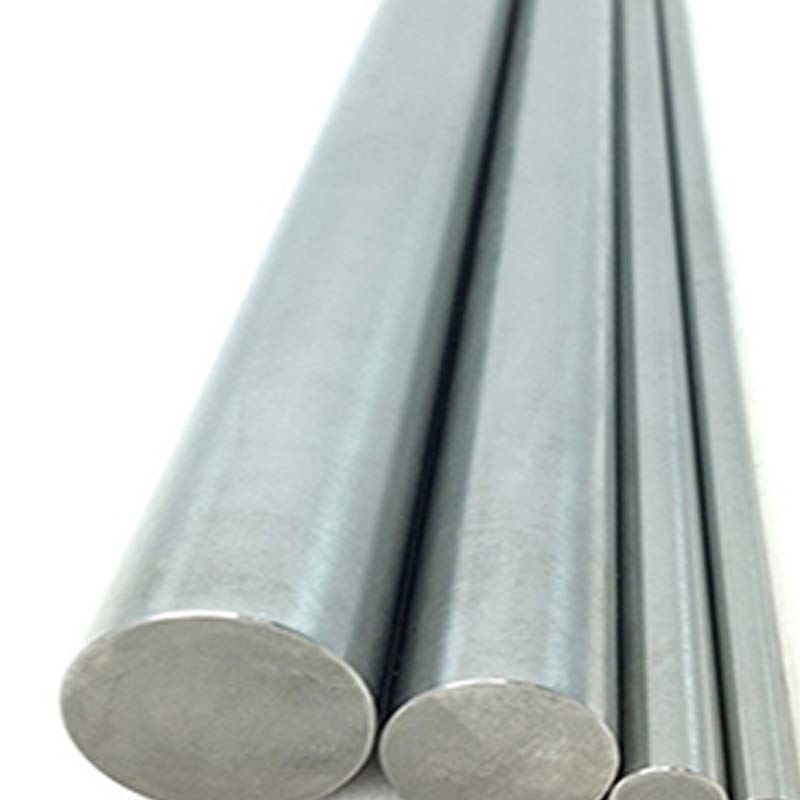
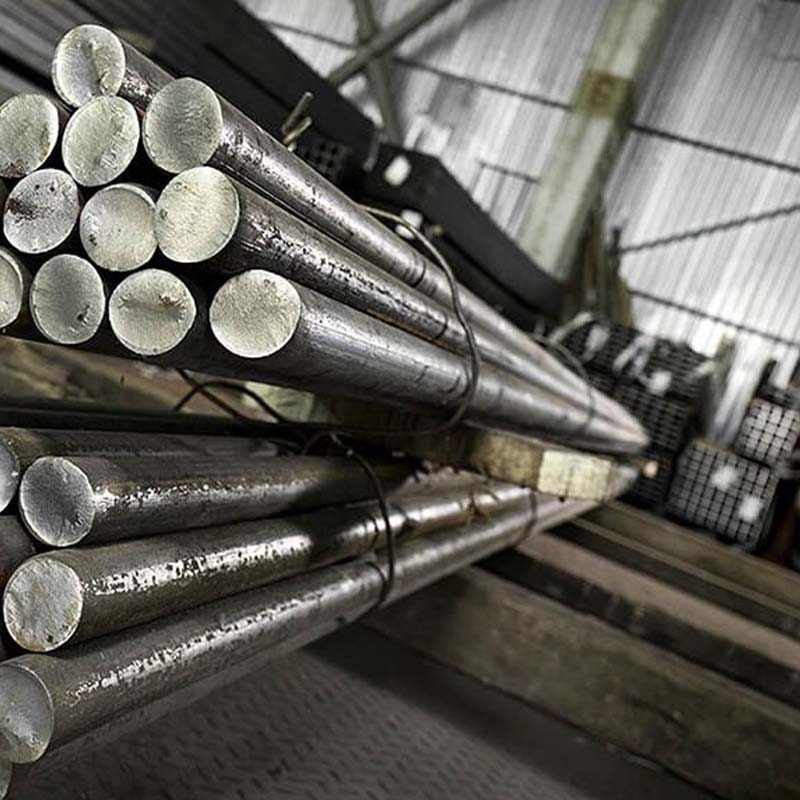
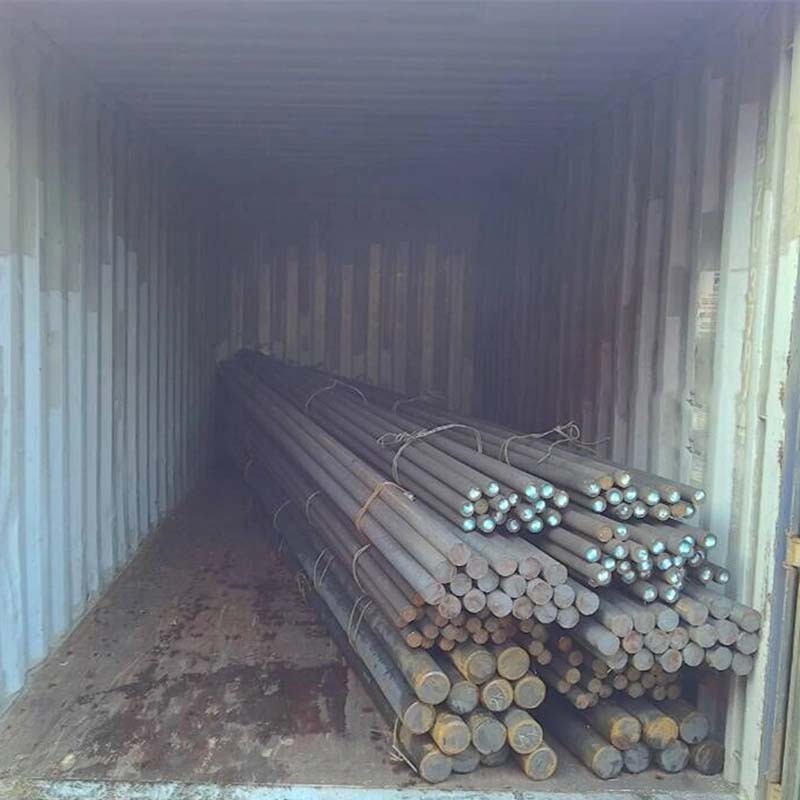
Chromium-molybdenum alloy round bar (Cr-Mo Round Bar) refers to round bars made of alloy structural steel with chromium (Cr) and molybdenum (Mo) as the primary alloying elements; it is one of the most widely used categories of alloy structural steel. Chromium improves the steel’s hardenability, hardness, and wear resistance, while molybdenum increases strength, toughness, and heat resistance, and effectively suppresses temper brittleness. The combined effect of these two elements gives chromium-molybdenum steel excellent overall mechanical properties, making it an ideal material for manufacturing critical components such as gears, shafts, bolts, and connecting rods.
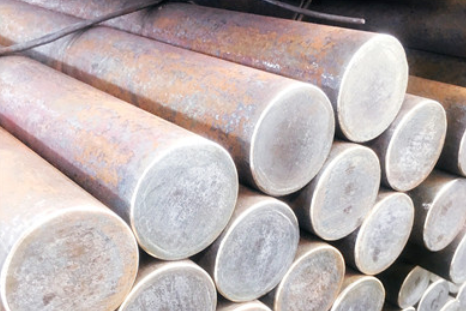
Key Composition and Grades
Key Composition: Based on medium carbon (approximately 0.38%–0.45%), with added chromium (approximately 0.90%–1.20%) and molybdenum (approximately 0.15%–0.30%), supplemented by appropriate amounts of silicon and manganese, while strictly controlling impurities such as phosphorus and sulfur.
Common Grades: Common grades in China include 42CrMo (corresponding to German Standard 1.7225/42CrMo4, American Standard 4140, and Japanese Standard SCM440) and SCM435. While there are slight differences in elemental composition among these grades, they all possess the core properties of chromium-molybdenum steel.
Key Performance Characteristics
High Strength and High Toughness: After quenching and tempering (quenching + high-temperature tempering), the tensile strength can reach over 1080 MPa and the yield strength over 930 MPa, while maintaining good toughness (elongation ≥ 12%). This achieves an optimal balance between strength and toughness, far exceeding that of ordinary carbon steel and general alloy steel.
High Quenching Hardness: The addition of chromium and molybdenum significantly improves the steel’s quenching hardenability, enabling parts with large or complex cross-sections to achieve uniform hardness from the surface to the core without significant temper brittleness.
High Wear Resistance and Fatigue Resistance: The surface can be further strengthened through treatments such as nitriding and vanadium diffusion to enhance surface hardness and wear resistance; It has a high fatigue limit, reaching over 450 MPa, strong resistance to repeated impacts, and good low-temperature impact toughness.
Good high-temperature performance: The addition of molybdenum enhances the steel’s high-temperature strength and creep resistance. Certain grades (such as P92) can maintain high strength even at temperatures between 500°C and 600°C, making them suitable for critical components in high-temperature environments.
Heat Treatment Processes
Quenching and Tempering (Q&T): The most commonly used heat treatment method, which involves quenching to obtain high-hardness martensite, followed by high-temperature tempering to relieve stress and produce tempered sorbite with excellent overall mechanical properties.
Other Heat Treatments: Depending on specific operating conditions, normalizing, annealing, surface hardening, or nitriding may also be performed to adjust hardness and wear resistance or to relieve machining stresses.
Applications
Machinery Manufacturing: Used to manufacture high-stress mechanical components such as large gears, drive shafts, crankshafts, connecting rods, and high-strength bolts.
Automotive Manufacturing: Used to manufacture critical automotive components such as axles, steering knuckles, half-shafts, and engine connecting rods.
Energy and Power Sector: Used for core components of energy equipment, such as wind turbine main shafts (42CrMo is a commonly used material), oil drilling tools, and steam turbine shafts.
Mold Manufacturing Sector: 42CrMo round bar is widely used in plastic mold frames, and its excellent mechanical properties and machinability are widely recognized in the industry.
Petrochemical Sector: Used to manufacture pipeline components, valves, flanges, and other parts that withstand high temperatures and pressures.
Advantages and Disadvantages
Advantages: Strong, tough, and well-balanced; good hardenability; excellent fatigue and impact resistance; and good heat treatment adaptability.
Disadvantages: Relatively higher cost than ordinary carbon steel; average weldability (due to its high carbon equivalent, it is prone to cracking during welding, requiring preheating before welding and post-weld heat treatment); improper heat treatment can easily lead to deformation or cracking, requiring strict control of process parameters.
Advantages: Strong, tough, and well-balanced; good hardenability; excellent fatigue and impact resistance; and good heat treatment adaptability.
Disadvantages: Relatively higher cost than ordinary carbon steel; average weldability (due to its high carbon equivalent, it is prone to cracking during welding, requiring preheating before welding and post-weld heat treatment); improper heat treatment can easily lead to deformation or cracking, requiring strict control of process parameters.



|

|

|

|

|
| Timely Info | Independent | Platform | Multiple guarantees | Self-operated storage |
China Steel Market
Empowering small and medium-scale steel purchasing

| About us | Channel | Useful tools |
|---|---|---|
| About China Steel Market | Prices | Steel Weight Calculation |
| Contact Us | Answers | Why Choose Us |
| Terms & Conditions | Inventory | |
| Privacy Policy | Help |
Hot search words:
China Rebar prices China Wire Rod Prices Welded Steel Pipe Prices