
Channel steel is a long strip of steel with a U-shaped cross-section. It belongs to carbon structural steel used in construction and machinery, and is a complex-section steel material with a U-shaped cross-section. Channel steel is mainly used in building structures, curtain wall engineering, machinery and equipment manufacturing, etc.
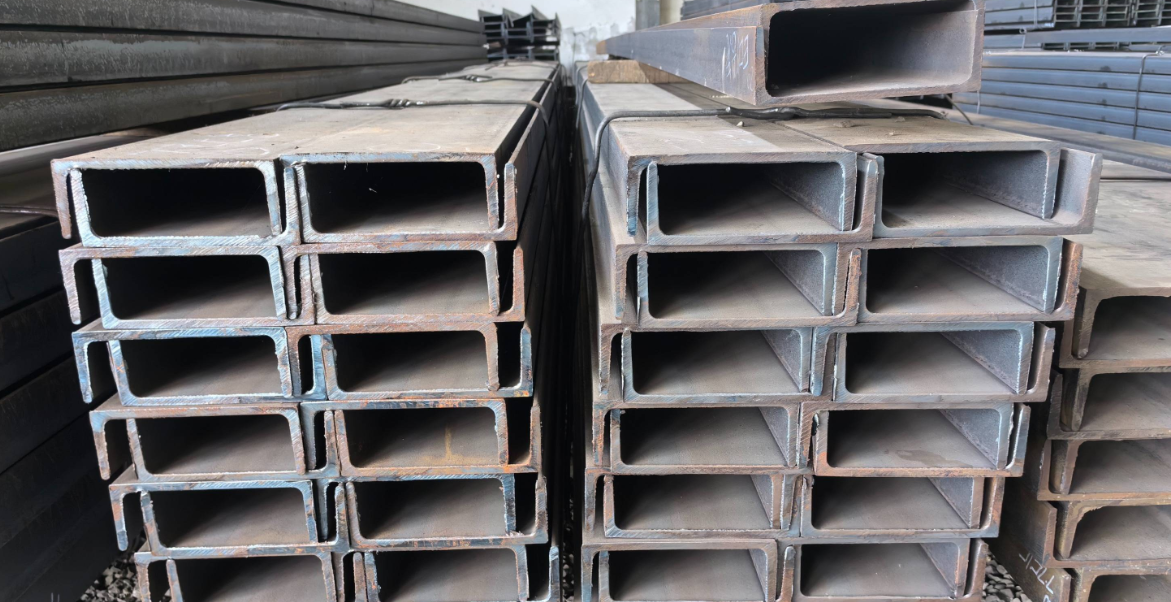
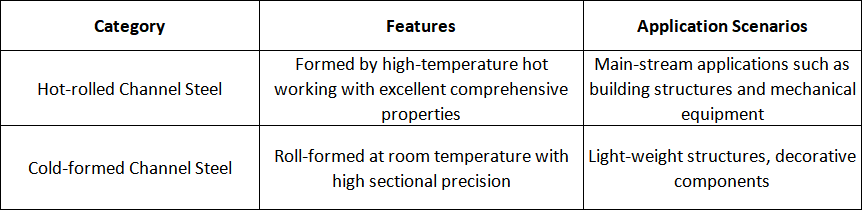
Channel steel belongs to carbon structural steel used in both construction and machinery, and is a type of section steel with a U-shaped shape. It has a wide range of applications, such as in structural buildings, curtain walls, vehicles, machinery and equipment manufacturing, etc. Channel steel requires good welding, riveting, and comprehensive mechanical properties during use. The raw material for channel steel is carbon structural steel with a carbon content not exceeding 0.25%. Finished channel steel is delivered in a high-temperature hot-working forming, normalized, or hot-rolled state.
Channel Steel Classification:
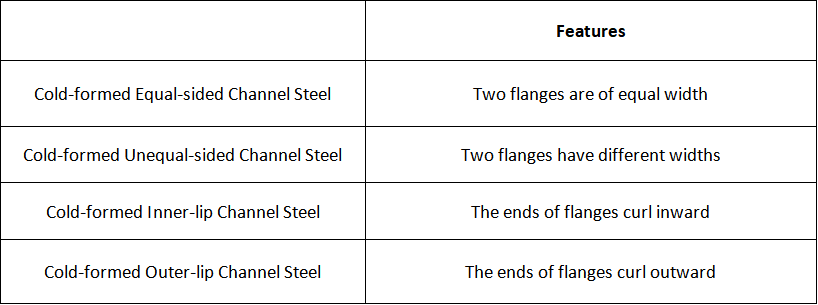
By shape: Cold-formed equal-leg channel steel; Cold-formed unequal-leg channel steel; Cold-formed inward-curled channel steel; Cold-formed outward-curled channel steel.
By manufacturing process:
Channel steel (ordinary type, light type); Cold-formed channel steel.
Channel Steel Processing Technology
1. Cutting is one of the basic methods of channel steel processing. Commonly used cutting methods include flame cutting, plasma cutting, and laser cutting. Flame cutting is suitable for processing thicker channel steel, while laser cutting is suitable for channel steel with high precision requirements. After cutting, the channel steel can be further processed by welding, stamping, etc.
2. Stamping is a processing method in which metal material is placed in a mold and plastically deformed by external force. Channel steel can be formed and have holes drilled through stamping. Stamping can improve the production efficiency and processing precision of channel steel and is suitable for mass production.
3. Welding is a processing method in which two or more materials are joined into a whole by melting or plastically fusing them. Channel steel welding methods include manual welding, gas shielded welding, and laser welding. Welding can connect channel steel into various shapes, suitable for manufacturing various structural components.
4. Bending is a processing method in which metal material is placed on a bending machine and bent by applying force through upper and lower dies. Channel steel can be bent and shaped through bending to manufacture various structural components. Bending can improve the strength and rigidity of channel steel, making it suitable for manufacturing components requiring bending.
There are various processing methods for channel steel, including cutting, stamping, welding, and bending. Different processing techniques are suitable for different processing needs, and the appropriate method can be selected according to specific circumstances. Through reasonable processing techniques, the processing efficiency and quality of channel steel can be improved, meeting the needs of various engineering projects.
Core Performance Characteristics
1. Good Comprehensive Mechanical Properties
Channel steel has high tensile strength, yield strength, elongation, and impact toughness. In use, it is required to have good welding and riveting performance and comprehensive mechanical properties.
2. Reasonable Cross-sectional Shape
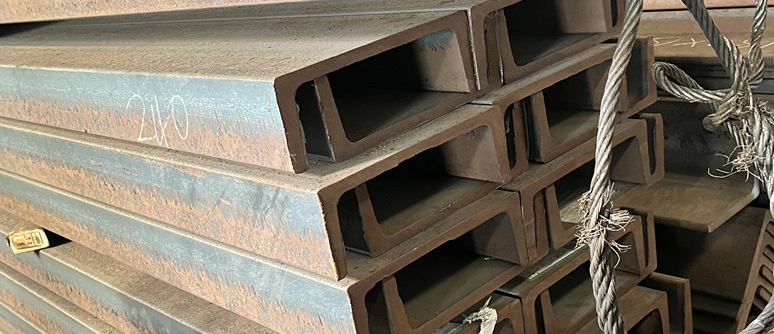
The concave cross-section gives channel steel excellent bending and torsional resistance in specific directions, making it suitable for use as a support and structural reinforcement component.
3. Good Compatibility
Channel steel is often used in conjunction with I-beams, H-beams, angle steel, flat steel, etc., and is an important component for steel structure connection and fixation.
4. Material Saving
Channel steel can change the load-bearing structure of a building, effectively saving building materials.
5. Main Limitations
· Unidirectional Load Bearing: Channel steel mainly bears loads along the web plane; its load-bearing capacity perpendicular to the web is relatively weak.
· Size Restrictions: The maximum size of hot-rolled channel steel is 40# (web height 400mm). Sizes exceeding this range require welded composite sections.
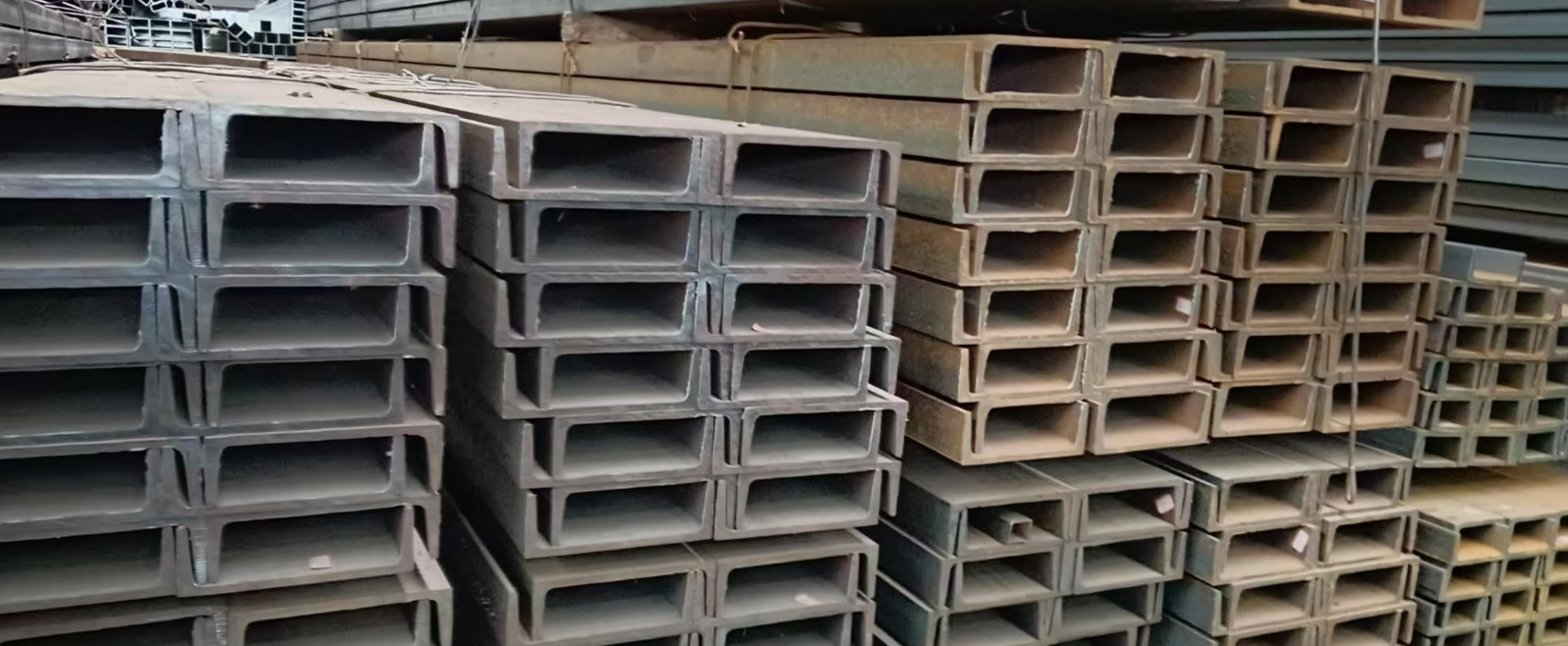
Channel Steel Applications
Channel steel is a common metal product with a channel-shaped cross-section and is widely used in various fields. Mainly manufactured using hot rolling processes, channel steel plays an important role in industries such as construction, machinery manufacturing, bridge construction, and shipbuilding.
1. Construction Industry
In the construction industry, channel steel is often used to build structural frames to support the weight of buildings. Channel steel has high strength and good stability, effectively supporting the structure of large buildings and ensuring their safety and stability. In addition, channel steel is also commonly used to manufacture door and window frames, ceiling supports, and other building components.
2. Machinery Manufacturing Industry
In the machinery manufacturing industry, channel steel is often used as the main structural material for machinery and equipment. Channel steel can be used to manufacture various parts, such as machine tool beds and support beams. It has strong load-bearing capacity and good compressive strength, ensuring the stability and working efficiency of machinery and equipment.
3. Bridge Construction
In bridge construction, channel steel is commonly used in the beam-column structure and deck supports. Channel steel possesses high load-bearing capacity and good compressive strength, enabling it to withstand the weight of the bridge and ensure its stability and safety. The use of channel steel effectively improves the load-bearing capacity and service life of bridges.
4. Shipbuilding
In shipbuilding, channel steel is frequently used as a crucial material for ship hull structures. Channel steel exhibits good strength and stability, capable of withstanding various forces during navigation, ensuring the stability and safety of the hull. The use of channel steel effectively improves the structural strength and service life of ships.
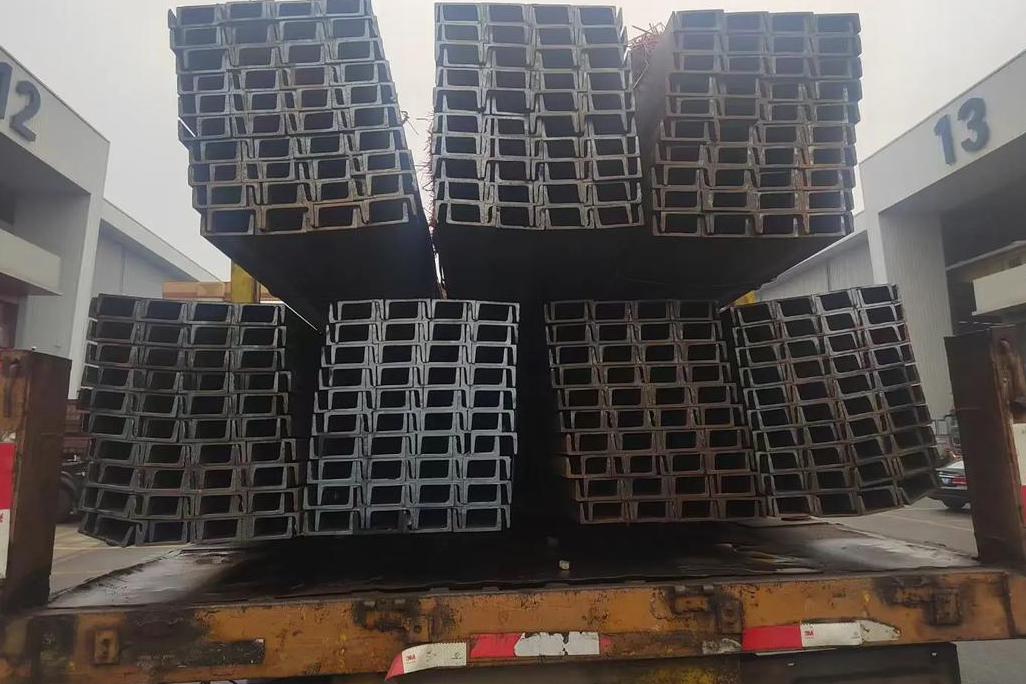
The core characteristics of channel steel are its concave cross-section, excellent welding and riveting performance, ability to modify the structural load of buildings, and material savings. It is widely used in building structures, curtain wall engineering, machinery and equipment, vehicle manufacturing, bridges, and other fields. Compared to I-beams and H-beams, channel steel focuses more on its role as a supporting, connecting, and reinforcing component. Currently, channel steel is continuously developing towards updated standards, upgraded materials, and expanded application areas.
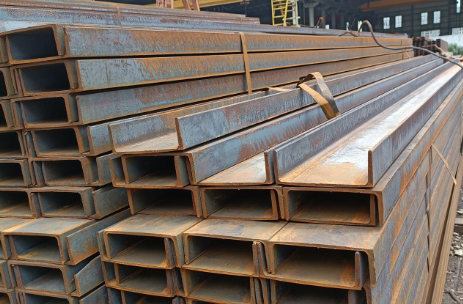
In China, the standards for channel steel, as well as other structural steel sections, are established by the Chinese National Standards (GB) or the Chinese National Building Codes (GB/T). The commonly used channel steel in China is known as "Chinese Standard Channels" or simply "C-Channels."
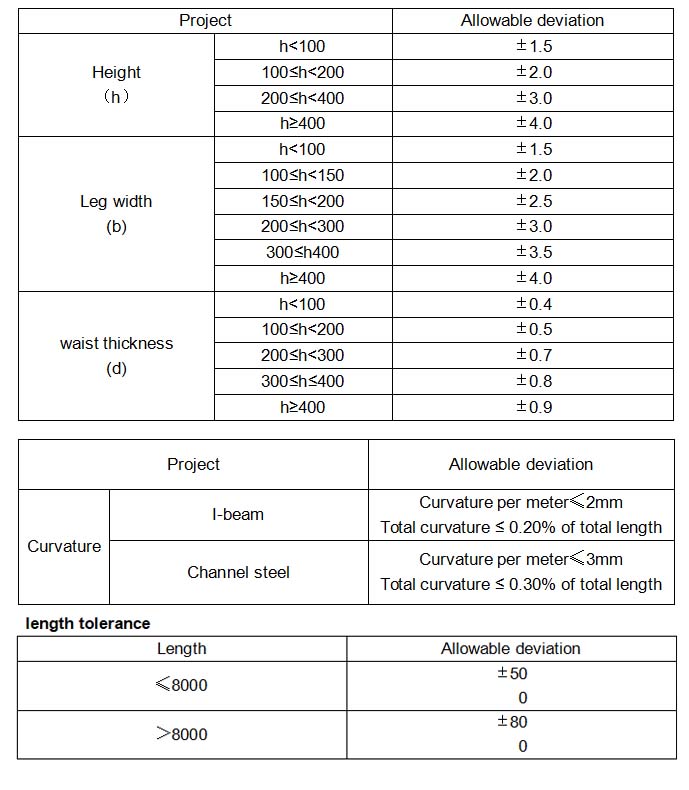
The specifications and designations for Chinese Standard Channels are covered under various GB standards, depending on the specific requirements and applications. The primary standard that outlines the dimensions, technical requirements, and tolerances for Chinese Standard Channels is GB/T 706-2016.
The designation of Chinese Standard Channels follows a standard format that includes the channel's depth (in millimeters) and its mass per meter (in kilograms). For example, a C160x60x20 would have a depth of 160 mm, a flange width of 60 mm, and a mass of 20 kg per meter.
In addition to GB/T 706-2016, there are other GB standards that cover various aspects of steel sections, including GB/T 9787 for hot-rolled parallel flange steel sections and GB/T 6728 for cold-formed steel sections.
In the United States, the standards for channel steel are governed by the American Society for Testing and Materials (ASTM). The commonly used channel steel in the US is known as "American Standard Channels" or "C-channels."
The specifications and designations for American Standard Channels are outlined in ASTM A36/A36M, which covers carbon structural steel shapes. ASTM A36 is a widely used material specification for various structural steel shapes, including channel steel. It has a minimum yield strength of 36,000 psi (or 250 MPa) and is commonly used in construction and structural applications.
American Standard Channels are designated with a letter "C" followed by the depth (in inches) and weight per foot (in pounds). For example, a C10x20 channel would have a depth of 10 inches and weigh 20 pounds per foot.
Apart from American Standard Channels, there are also Miscellaneous Channels (MC) and Junior Channels (MC Junior), which are covered under ASTM A529/A529M and ASTM A572/A572M, respectively. These standards specify higher-strength low-alloy structural steel shapes suitable for certain specialized applications.
In the United Kingdom, the standards for channel steel, along with other structural steel sections, are established by the British Standards Institution (BSI). The commonly used channel steel in the UK is known as "Parallel Flange Channels" or "PFC."
The specifications and designations for Parallel Flange Channels are outlined in the British Standard BS EN 10365. This standard covers the dimensions, technical requirements, and tolerances for hot-rolled steel channels with parallel flanges.
The designation of Parallel Flange Channels follows a standard format that includes the channel's depth (in millimeters) and its mass per meter (in kilograms). For example, a PFC 180 x 70 x 8 would have a depth of 180 mm, a flange width of 70 mm, and a mass of 8 kg per meter.
In Japan, the standards for channel steel, like other structural steel sections, are established by the Japanese Industrial Standards (JIS). The commonly used channel steel in Japan is known as "Channel Shapes" or "C-Channels."
The specifications and designations for Channel Shapes are outlined in JIS G 3192, which covers the dimensions, sectional properties, and technical requirements for hot-rolled steel sections used in general structures.
The designation of Channel Shapes follows a standard format that includes the channel's depth (in millimeters) and its mass per meter (in kilograms). For example, a C140x58x6.6 would have a depth of 140 mm, a flange width of 58 mm, and a mass of 6.6 kg per meter.
Copyright Notice © 2022 - 2023 ChinaSteelMarket.com All rights reserved.