
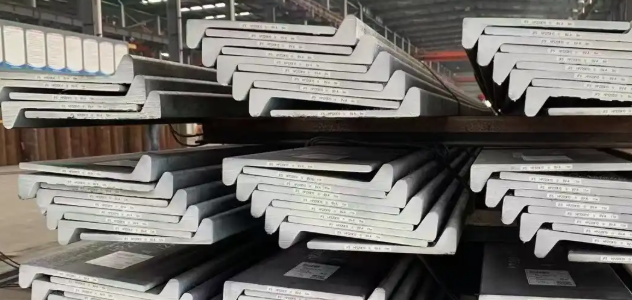
Bulb flat steel is a special type of steel profile, consisting of a flat web (similar to a "strip") and a spherical head (similar to a "bead"), belonging to the category of asymmetrical steel profiles. Bulb flat steel is a medium-sized steel profile mainly used in shipbuilding and bridge construction, with marine bulb flat steel serving as an auxiliary medium-sized steel profile in shipbuilding. In recent years, with the rapid development of the shipbuilding industry, the demand for marine bulb flat steel has been strong. Generally, larger ships and standard vessels mostly use marine bulb flat steel for the main hull design, employing bulb flat steel of the same thickness and material as the connected plates as the ribs (also called skeletons or keels).
Features of bulb flat steel:
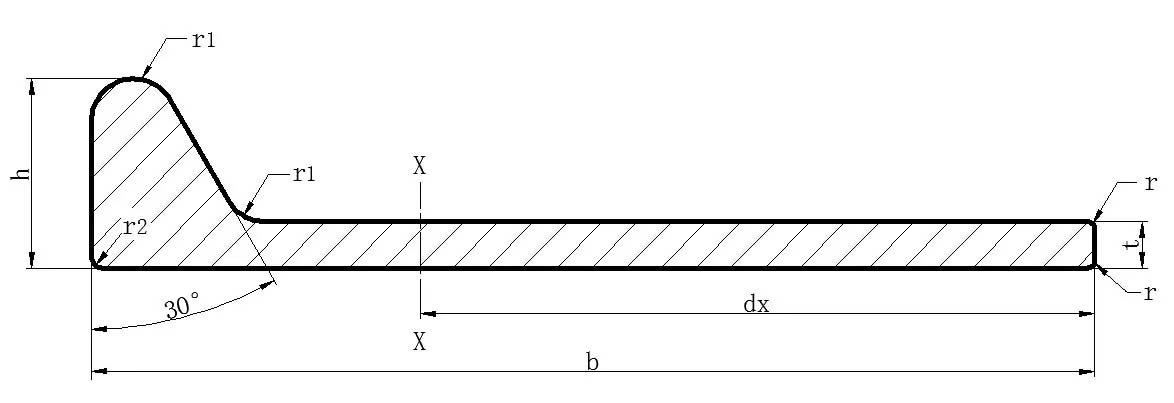
1. Special cross-sectional shape: The web provides a straight connecting surface, while the bulbous head increases the moment of inertia, significantly improving bending and torsional resistance while reducing weight.
2. Dedicated to ship "skeleton": Primarily used as a reinforcing rib (skeleton) for ship plates, equivalent to the "ribs" in a human body, forming the ribcage and keel of a ship.
3. High economic efficiency: The economic benefits of producing bulb flat steel can be 1.5 to 2 times higher than those of ordinary medium-sized profiles.
4. Many specifications, small batches: The main challenge lies in the numerous specifications but small batch sizes, requiring significant investment in rolling mills.
Production Process:
Bulb flat steel is mainly produced using hot rolling technology. Its rolling process is more complex than that of ordinary profiles, the core being how to precisely shape the asymmetrical "bulb" and "web".
Core Process Flow
Bill → Heating → Rough Rolling → Intermediate Rolling (Widening and Metal Distribution) → Finish Rolling → Cooling → Straightening → Splitting → Inspection
The smelting process for bulb flat steel is typically: hot metal pretreatment → converter smelting → LF refining → vacuum refining → billet continuous casting. The process for producing bulb flat steel with a width of 100–280 mm is relatively mature.
Classification of Bulb Flat Steel
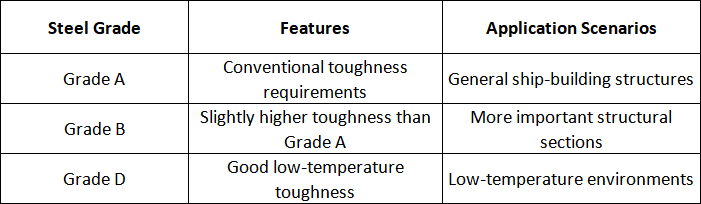
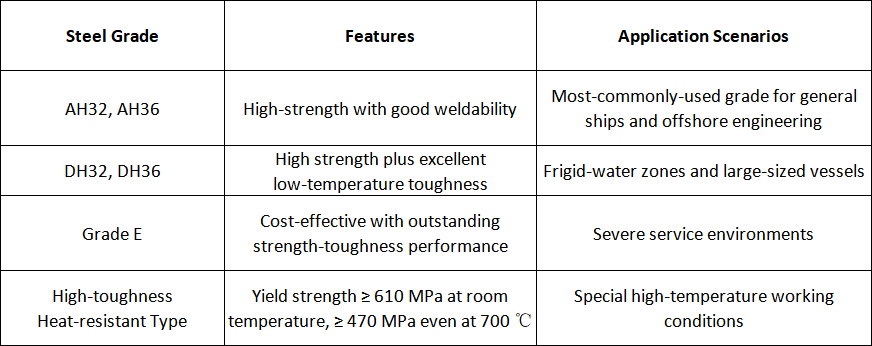
The material of bulb flat steel directly corresponds to ship plates, mainly divided into two categories: general strength and high strength. Since 2009, the usage of high-strength bulb flat steel has exceeded that of general strength bulb flat steel.
1. General Strength Bulb Flat Steel
2. High Strength Bulb Flat Steel
Performances of Bulb Flat Steel
1. Excellent Mechanical Properties
Bubble flat steel possesses high strength, good toughness, and fatigue resistance. High-performance products can achieve a room temperature yield strength ≥610 MPa.
2. Excellent Weldability
As a ship skeletal material, bulb flat steel requires extensive welding to hull plates; therefore, weldability is a core performance indicator.
3. Excellent Low-Temperature Toughness
To withstand operations in extremely cold waters, bulb flat steel is required to possess high low-temperature impact toughness and low weld crack sensitivity. Charpy V-notch impact strength at -40℃ can exceed specifications by nearly 50%.
4. Corrosion Resistance
Bullet flat steel exhibits excellent corrosion resistance, making it a key material in shipbuilding and marine engineering. There are even specific national standards for corrosion-resistant bulb flat steel used in crude oil tanker cargo tanks.
5. Combining High Strength and Lightweight
Its lightweight and compact size makes transportation and installation more efficient.
6. Good Structural Assembly Performance
In structures such as composite bridge decks, bulb flat steel ribs integrate well with concrete, exhibiting high ductility and effectively reducing the risk of fatigue failure in steel structures.
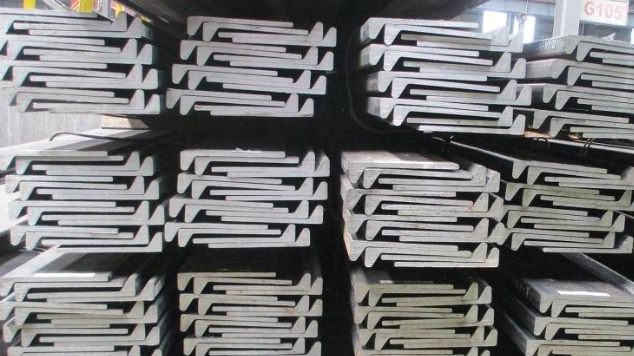
Application of Bulb Flat Steel in the Engineering Field
Bulb flat steel, as a special shape of steel, has been widely used in the field of engineering. The following will elaborate on the application of bulb flat steel in the engineering field from the following aspects.
1. Construction field
Bulb flat steel can be used in beams, columns, floors and other parts of building structures, and can withstand large loads and pressures. Its unique appearance and excellent strength make buildings more beautiful and stable, and can meet the needs of different construction projects for structural materials.
2. Machinery Manufacturing
Bulb flat steel can be used in the production of parts in machinery manufacturing, such as bearings, gears, transmissions, etc. Its excellent strength and wear resistance make the mechanical equipment more stable and reliable, and improve the service life and operating efficiency of the mechanical equipment.
3. Shipbuilding
Bulb flat steel can be used in the manufacture of hull structures and ship equipment in shipbuilding. Its lightweight design and corrosion resistance make the ship more energy-saving and environmentally friendly, reduce the ship's dead weight, and improve the ship's load capacity and sailing speed.
4. Bridge engineering
Bulb flat steel can be used in bridge girders, bridge decks and other parts in bridge engineering, and can withstand large loads and vibrations. Its excellent strength and rigidity make the bridge more stable and safe, and can meet the requirements of different bridge projects for structural materials.
5. Road guardrail
Spherical flat steel can be used in the production of road guardrails to protect pedestrians and vehicles. Its unique appearance and strength make the road guardrail more beautiful and stronger, improving the safety and efficiency of road traffic.
6. Other applications
In addition to the above aspects, flat bulb steel can also be used in petrochemical industry, power equipment, municipal engineering and other fields. Its diverse shapes and excellent properties enable flat bulb steel to meet the material requirements of different engineering projects and has broad application prospects.
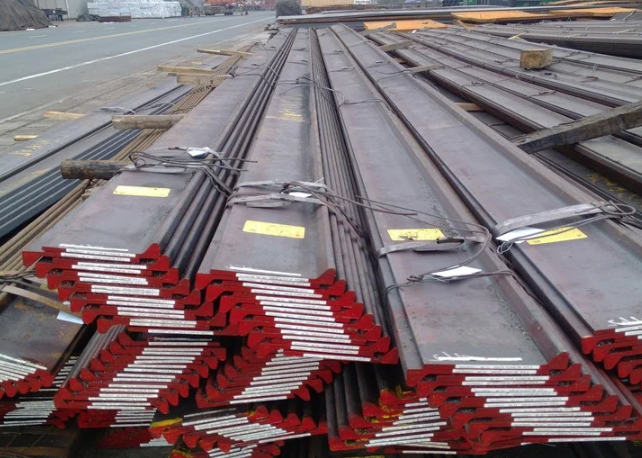
Bulb flat steel has the characteristics of unique appearance, excellent strength, lightweight design, easy processing, excellent corrosion resistance, environmental protection and sustainability, wide applicability, economical and practical, etc. In the field of engineering, bulb flat steel is widely used in various engineering projects such as construction, machinery manufacturing, shipbuilding, bridge engineering, road guardrails, etc., providing important support for the stability, safety and aesthetics of the project.
In China, bulb flat steel used in the shipbuilding industry is typically produced and supplied in accordance with Chinese National Standards (GB/T) or Industry Standards. The primary standard governing bulb flat steel in China is:
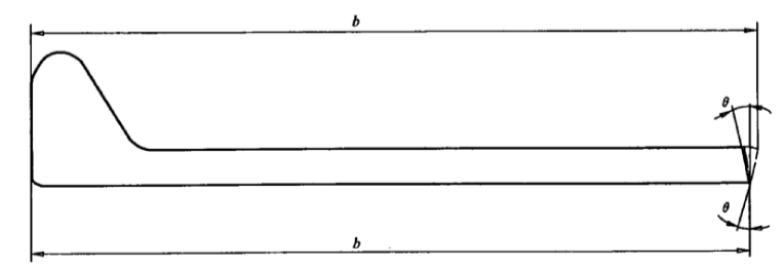
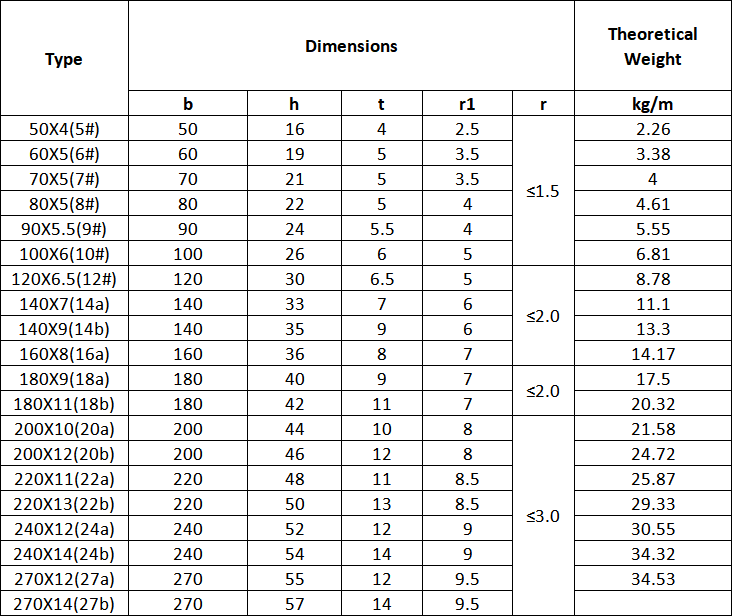
GB/T 9945-2012: "Dimensions, shape, weight and tolerances for hot-rolled steel sections - Part 5: Bulb flats": This standard specifies the dimensions, shape, weight, and tolerances for hot-rolled bulb flats used in the construction of ships and other marine structures.
GB/T 9945-2012 ensures that bulb flat steel produced in China meets specific quality and performance standards, making it suitable for marine applications and shipbuilding purposes.
In addition to the Chinese National Standard, other classification societies' rules and guidelines may also be followed in China for the use of bulb flat steel in shipbuilding projects. Classification societies such as China Classification Society (CCS) and other international societies set standards for materials and construction of ships.
In the United States, bulb flat steel used in the shipbuilding industry is typically produced and supplied in accordance with various industry standards and specifications. The primary standard governing bulb flat steel in the US is:
ASTM A131/A131M: This specification covers structural steel plates, shapes, and bars intended primarily for use in ship construction. Part of this standard includes requirements for bulb flat steel used as a material for shipbuilding.
ASTM A131/A131M outlines the mechanical properties, chemical composition, dimensions, tolerances, and other technical requirements for bulb flat steel used in the construction of ship hulls and decks. It ensures that the bulb flat steel meets specific quality and performance criteria, making it suitable for use in marine applications.
In addition to ASTM standards, other related standards and specifications may apply depending on the specific requirements of the shipbuilding project or the classification society involved. Classification societies such as the American Bureau of Shipping (ABS) and others may have additional rules and guidelines related to the use of bulb flat steel in shipbuilding.
In the United Kingdom, bulb flat steel used in the shipbuilding industry is typically produced and supplied in accordance with British Standards (BS) and European Norms (EN). The primary standard governing bulb flat steel in the UK is:
BS EN 10067: "Hot-rolled bulb flats - Dimensions and tolerances on shape, dimensions and mass": This standard specifies the dimensions, tolerances, and mass of hot-rolled bulb flats used in the construction of ships. It covers the size and shape requirements of the bulb flats, ensuring uniformity and compatibility with shipbuilding projects.
BS EN 10067 ensures that bulb flat steel used in the UK conforms to specific quality and performance standards, making it suitable for marine applications and shipbuilding purposes.
In addition to the British Standard, other classification societies' rules and guidelines may also be followed in the UK for the use of bulb flat steel in shipbuilding projects. Classification societies such as Lloyd's Register (LR), Det Norske Veritas Germanischer Lloyd (DNV GL), and others set standards for the materials and construction of ships.
In Japan, bulb flat steel used in the shipbuilding industry is typically produced and supplied in accordance with Japanese Industrial Standards (JIS). The primary standard governing bulb flat steel in Japan is:
JIS G 3192: "Dimensions, mass and permissible variations of hot-rolled steel sections": This standard specifies the dimensions, sectional properties, and mass of hot-rolled steel sections, including bulb flats. It covers the requirements for the size, shape, and tolerances of bulb flat steel used in shipbuilding and other structural applications.
JIS G 3192 ensures that bulb flat steel produced in Japan meets specific quality and performance standards, making it suitable for use in various marine construction projects.
Additionally, in the context of shipbuilding, various classification societies may also have their own rules and guidelines for the use of bulb flat steel. Classification societies such as Nippon Kaiji Kyokai (ClassNK) and Nippon Kaiji Kentei Kyokai (NKKT) are prominent in Japan and set standards for materials and construction of ships.
Copyright Notice © 2022 - 2023 ChinaSteelMarket.com All rights reserved.