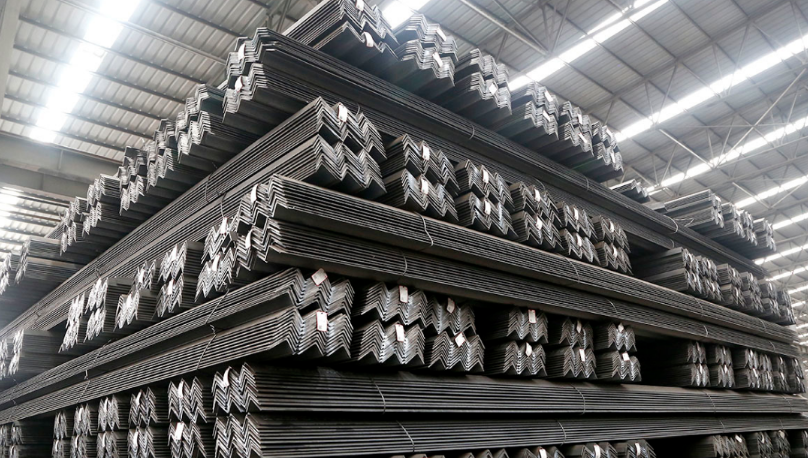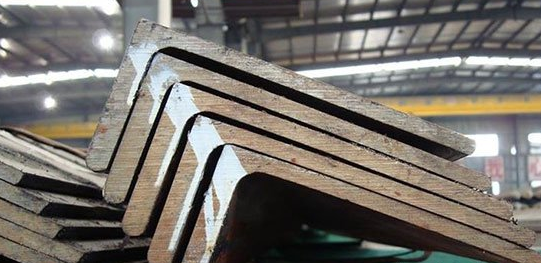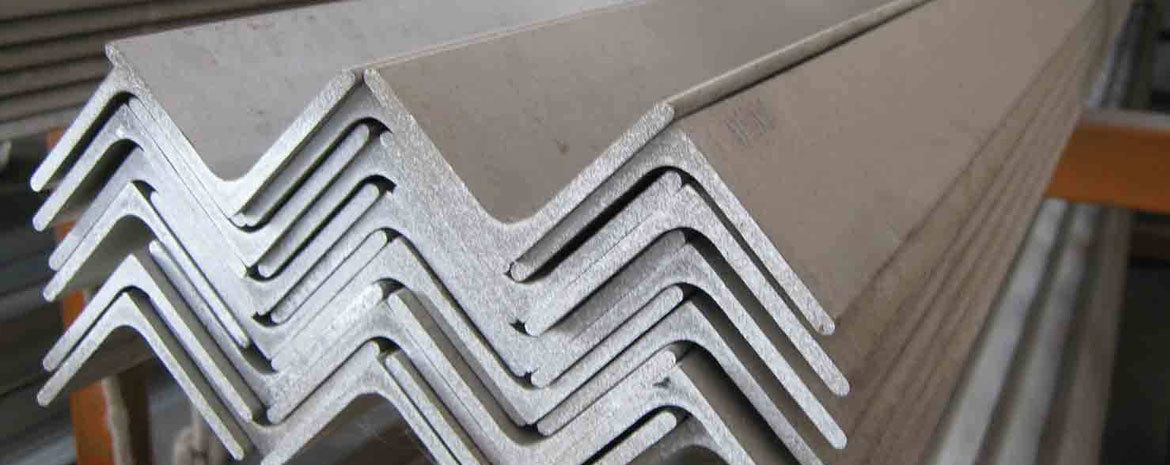

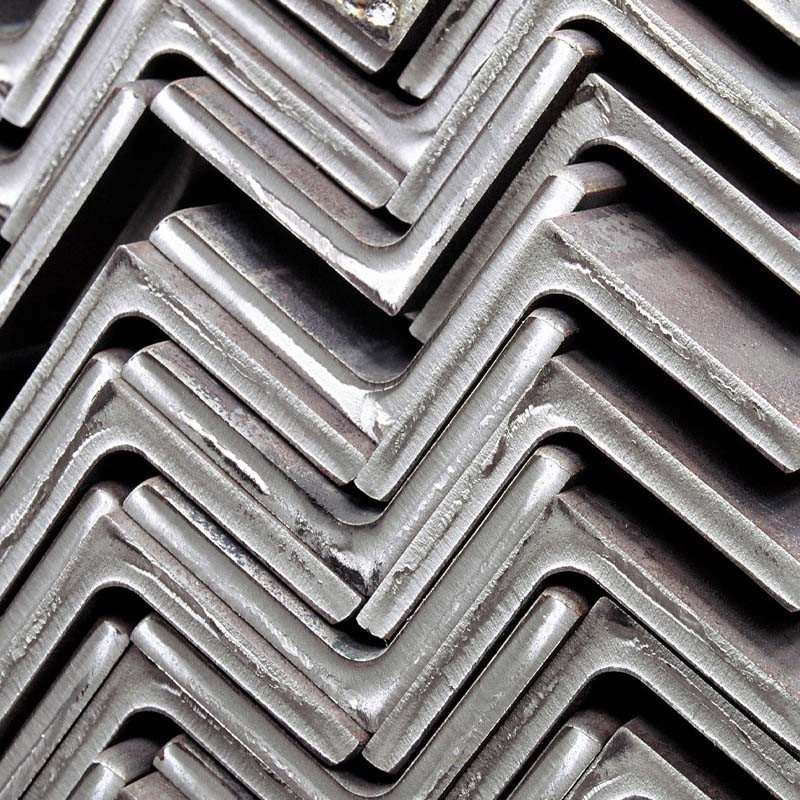
Angle steel, commonly known as angle iron, is a long strip of steel with two sides perpendicular to each other, forming an angle. Its cross-section is L-shaped, belonging to the category of simple cross-section steel materials.
One of the fundamental characteristics of angle steel is its high strength and good stability. This allows angle steel to withstand significant pressure and tension, effectively supporting various building structures or mechanical components and ensuring overall safety and stability. Furthermore, angle steel possesses excellent machinability; cutting, welding, and drilling are all easily handled, greatly facilitating construction and manufacturing processes. After anti-corrosion treatment, its surface can effectively resist the erosion of harsh environments, extending its service life and reducing maintenance costs.

The core characteristics of angle steel are as follows:
1. Simple cross-sectional shape: L-shaped cross-section, with two sides perpendicular to each other, facilitating processing and connection.
2. Diverse load-bearing modes: Can be used as tension, bending, and shear members.
3. Flexible combination: Can be assembled into various load-bearing members according to structural needs, and can also be used as connectors between components.
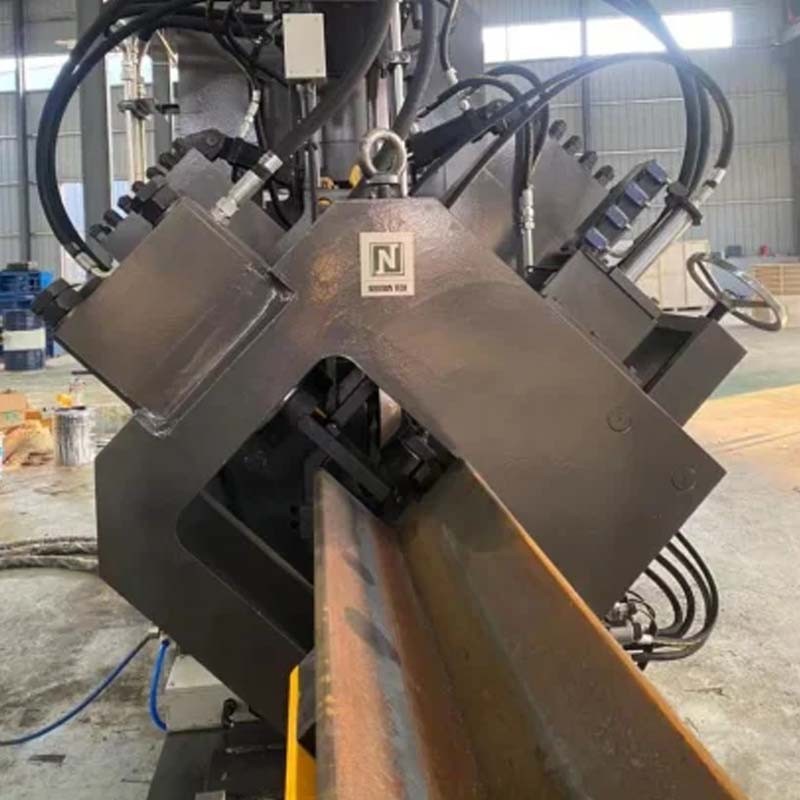
4. Good processing performance: Possesses good weldability, plastic deformation capacity, and certain mechanical strength.
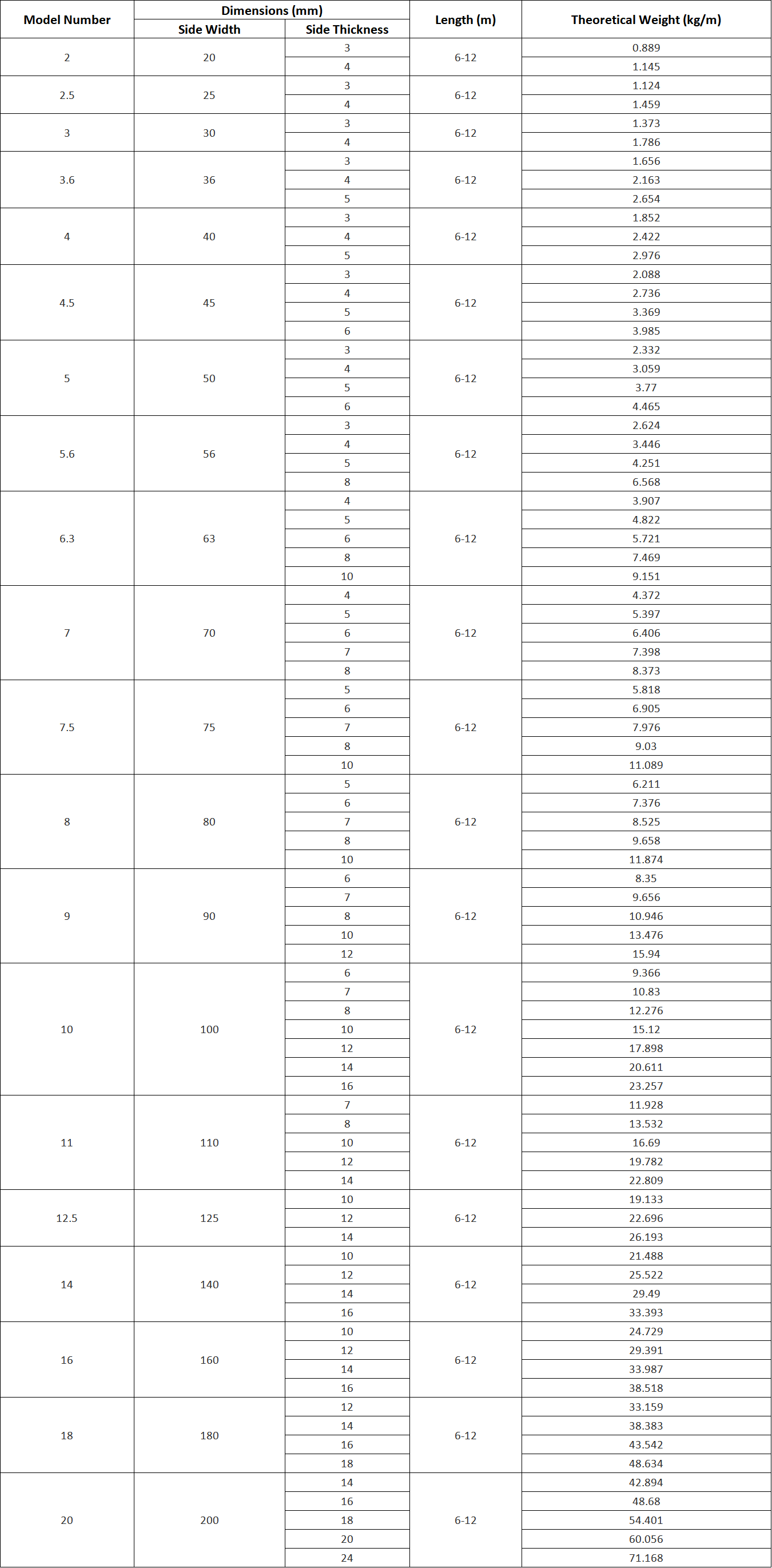
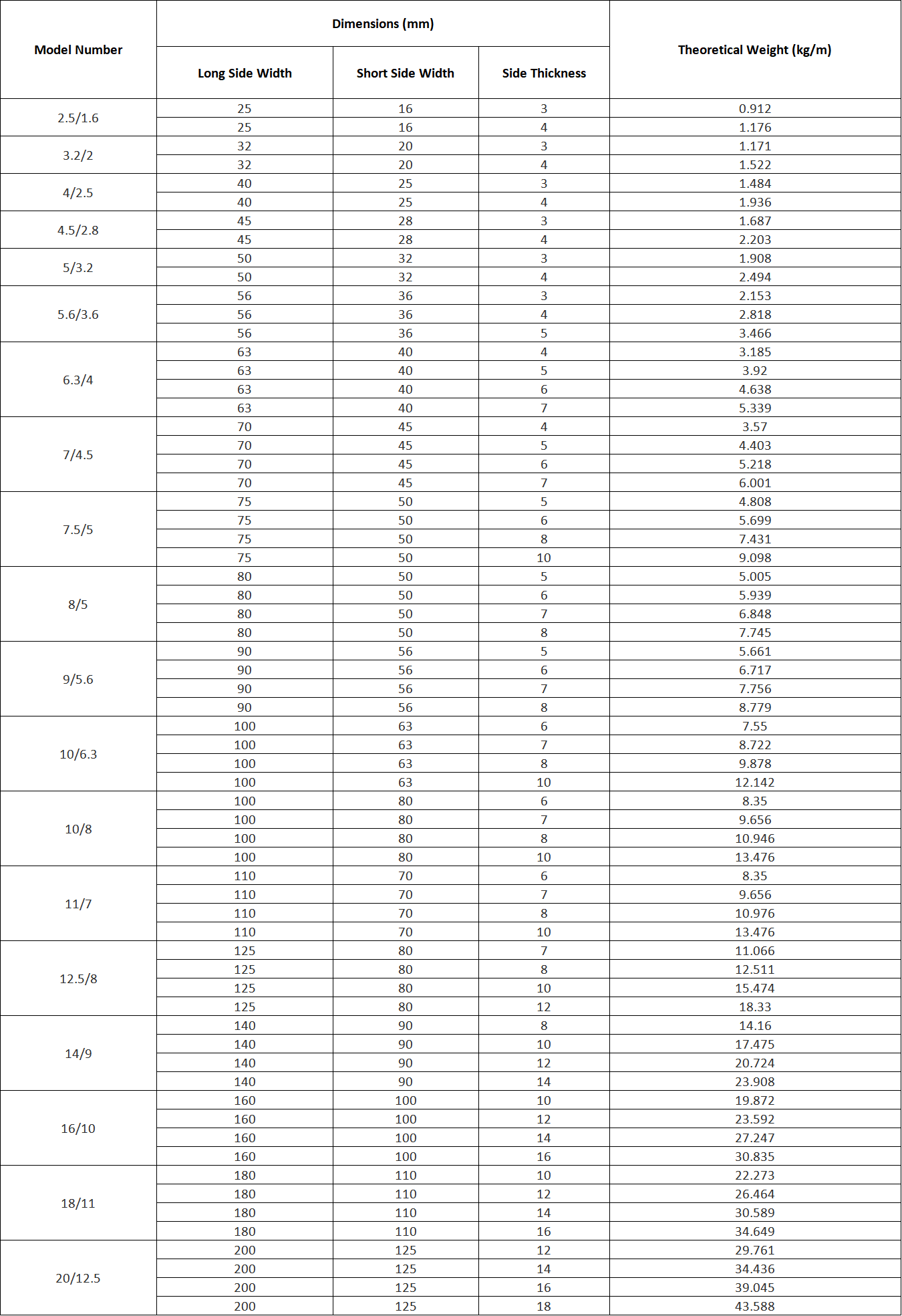
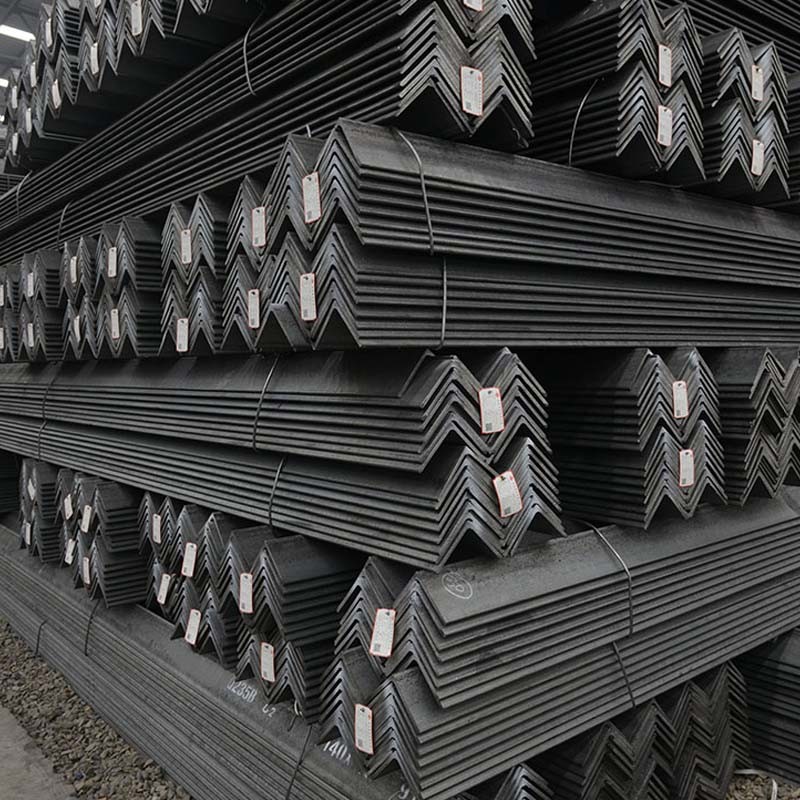
5. Rich variety and specifications: From micro to large, covering a complete series from 2# to 20#.
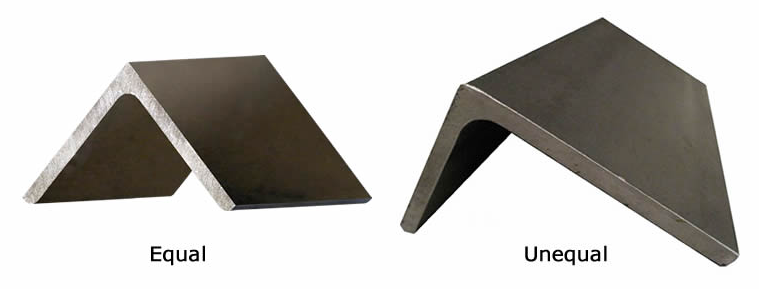
The main differences between equal-sided and unequal-sided angle steel:
Equal-sided angle steel: Equal-sided angle steel has two sides of equal length, forming a balanced L-shaped profile.
Due to its symmetrical geometry, stress is evenly distributed along both axes when subjected to load.
Therefore, equal-sided angle steel is ideal for uniform framing, such as square frames, shelving, racking systems, and welded structures, which handle loads from multiple directions.
Essentially: Equal-sided angle steel is like a "universal" component—balanced, predictable, and easy to design.
Unequal-sided angle steel:
Unequal-sided angle steel is characterized by one side being longer than the other, resulting in anisotropic (directional) strength characteristics.
The longer side increases the moment of inertia about one axis, significantly improving stiffness and load-bearing capacity in that direction.
This directional strength allows engineers to fine-tune the structural behavior—for example, orienting the longer leg vertically to resist bending, or horizontally to improve lateral stability.
Unequal angle steel is commonly found in trusses, frames, and reinforcements, and is typically used in situations where spatial, weight, or load orientation makes symmetrical profiles inefficient.
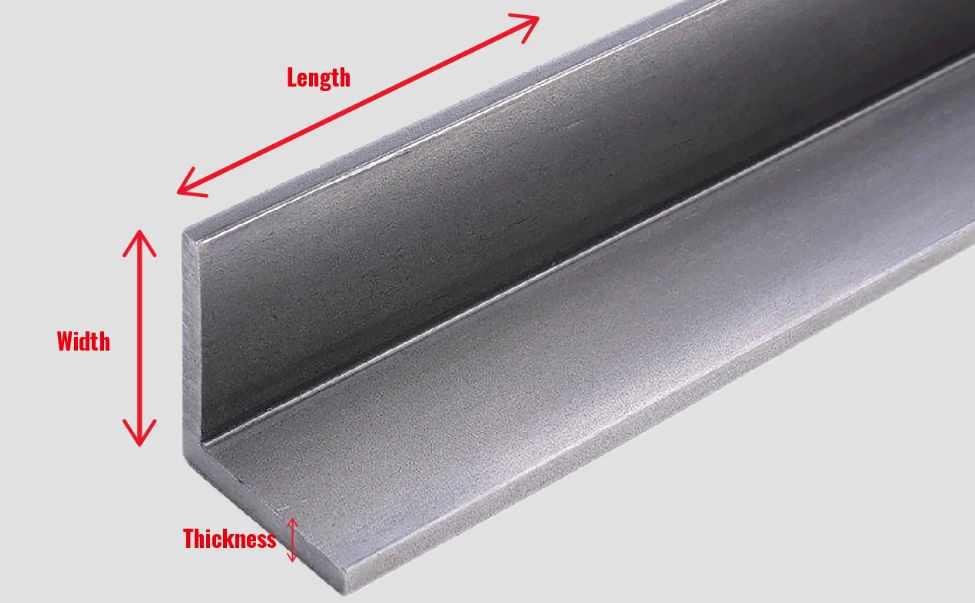
When selecting angle steel, understanding the required dimensions and thickness is helpful. The dimensions of angle steel are usually measured by length, width, and thickness.
Length: The measurement from one end to the other.
Width: The measurement from the outside to the center of the L-shape.
Thickness: The measurement of the thickness of the leg.
Angle Steel Classification
Angle steel can be classified in various ways, including by shape, production method, and size.
1. Classification by Shape

2. Classification by Production Method

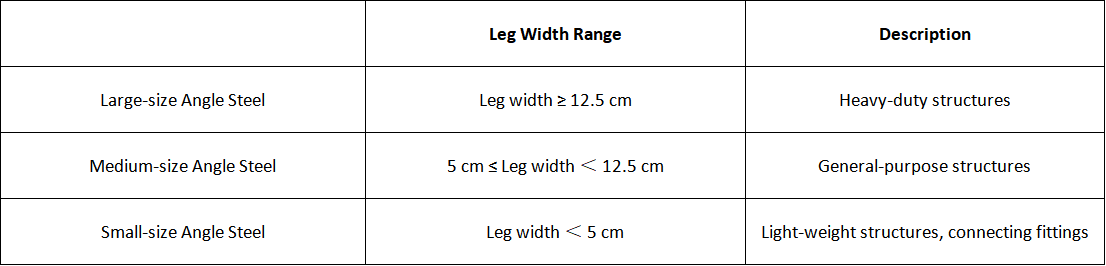
3. Classification by Size
Main Properties
1. Good Comprehensive Mechanical Properties
Angle steel requires good weldability, plastic deformation capacity, and certain mechanical strength. Q235B angle steel has a tensile strength of 375-500MPa and an elongation ≥26%.
2. Simple Structure and Flexible Combination
Angle steel can be used to form various load-bearing components according to different structural needs, and can also be used as connecting parts between components. It is often used in conjunction with I-beams, channel steel, etc., and is an important component for steel structure connection and fixation.
3. Reasonable Cross-Section Shape
The L-shaped cross-section gives it good performance in tension, compression, and shear, and can be used for various roles such as support, connection, and reinforcement.
4. Good Corrosion Resistance
The surface of angle steel can be galvanized or painted to adapt to the requirements of different environments.
5. Key Limitations
Simple cross-section, limited load-bearing capacity: Compared to complex cross-section profiles such as H-beams and I-beams, angle steel has a lower individual load-bearing capacity.
Requires combination: In heavy-duty structures, multiple angle steels are typically combined to form trusses or lattice structures.
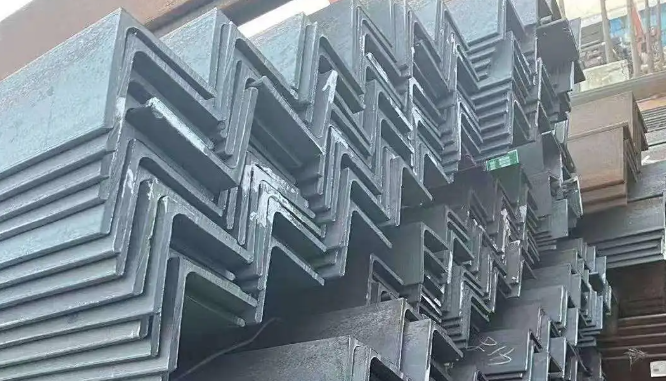
Angle Steel Applications
1. Construction: Angle steel is commonly used as structural support and bracing material in buildings. It is used to reinforce walls, provide support for roof beams, and help distribute weight more evenly. It is also used to create window and door frames, as well as shelves, cabinets, and other furniture.
2. Manufacturing: Angle steel is used to manufacture machine frames, equipment supports, and other components. It is also used in conveyor systems, material handling equipment, and other machinery.
3. Engineering: Angle steel is used in engineering and similar industries to create stable and robust structures. It is used to build bridges, towers, and other large structures, providing support and stability.
4. DIY Projects: Angle steel is also frequently used in DIY projects, such as making shelves, creating supports for hanging items, and making custom supports to hold items in place.

The core characteristics of angle steel are its simple cross-section, flexible combination, and ease of processing. It can be used as tension, bending, and shear members, and also as connectors between components. Widely used in building structures, bridges, power transmission towers, lifting and transportation machinery, ships, industrial furnaces, shelving, and other fields. Currently, angle steel is continuously progressing towards higher strength, widespread galvanized corrosion protection, and the development of cold bending technology.



|

|

|

|

|
| Timely Info | Independent | Platform | Multiple guarantees | Self-operated storage |
China Steel Market
Empowering small and medium-scale steel purchasing

| About us | Channel | Useful tools |
|---|---|---|
| About China Steel Market | Prices | Steel Weight Calculation |
| Contact Us | Answers | Why Choose Us |
| Terms & Conditions | Inventory | |
| Privacy Policy | Help |
Hot search words:
China Rebar prices China Wire Rod Prices Welded Steel Pipe Prices