
300 series stainless steel is a general term for chromium-nickel austenitic stainless steel. Its core characteristic is that chromium (Cr) and nickel (Ni) are the main alloying elements. Nickel stabilizes the austenitic structure, resulting in excellent corrosion resistance, good machinability, and comprehensive mechanical properties. Its corrosion resistance and high-temperature strength make it a common choice in industries such as chemical and food processing. The 300 series is the most produced and widely used series of austenitic stainless steel.
Compared to 200 series stainless steel, the biggest difference in the 300 series is its significantly higher nickel content (usually above 8%). This gives it far superior corrosion resistance, making it suitable for harsh corrosive environments such as outdoor, marine, and chemical plants.
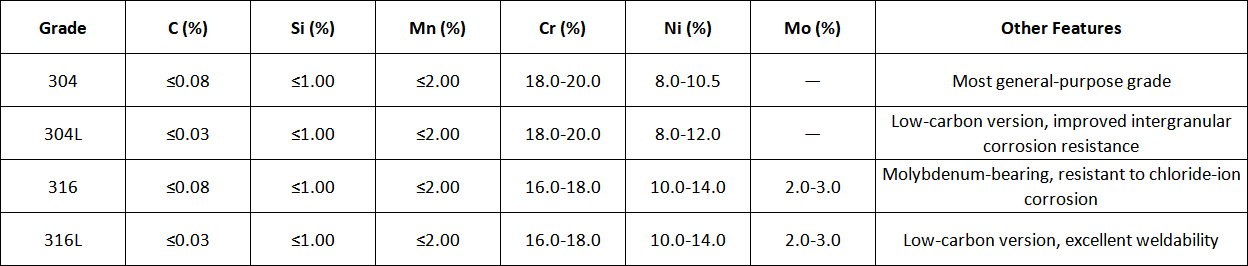
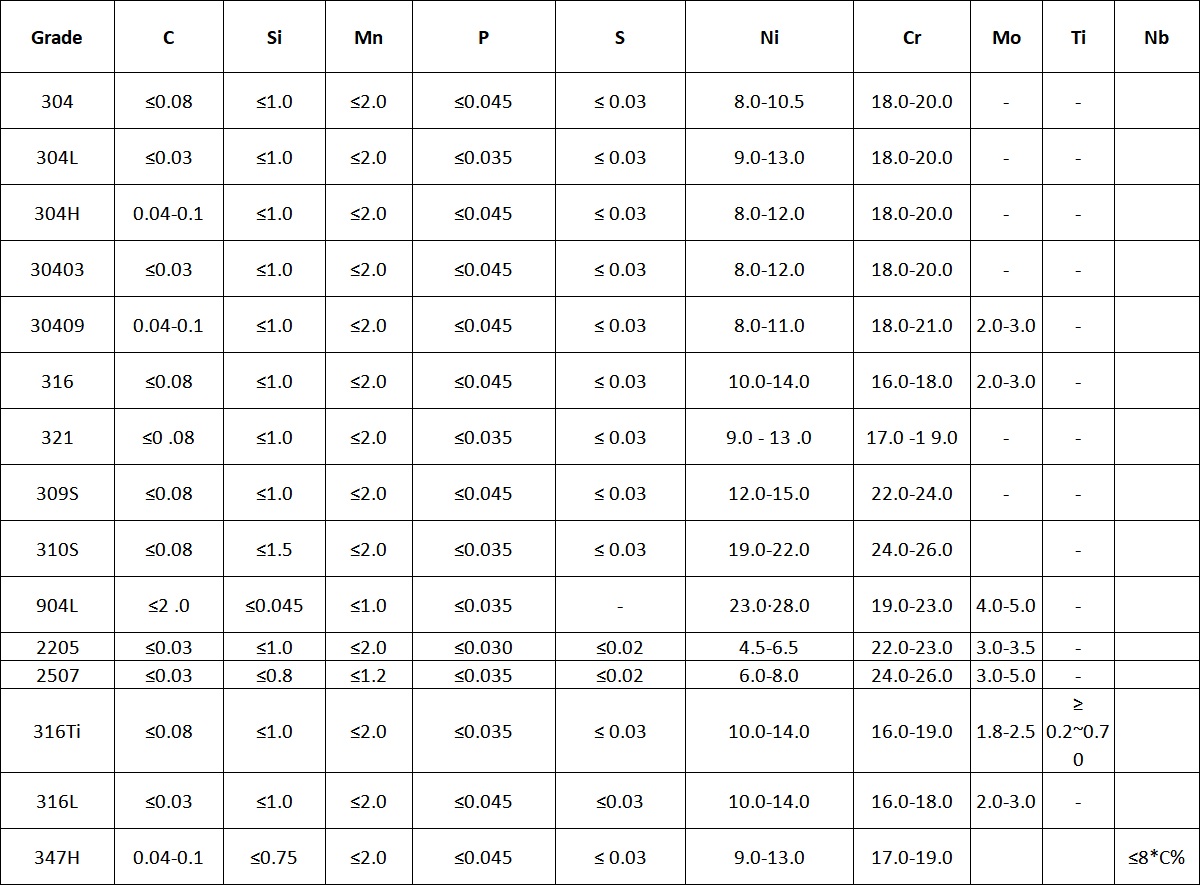
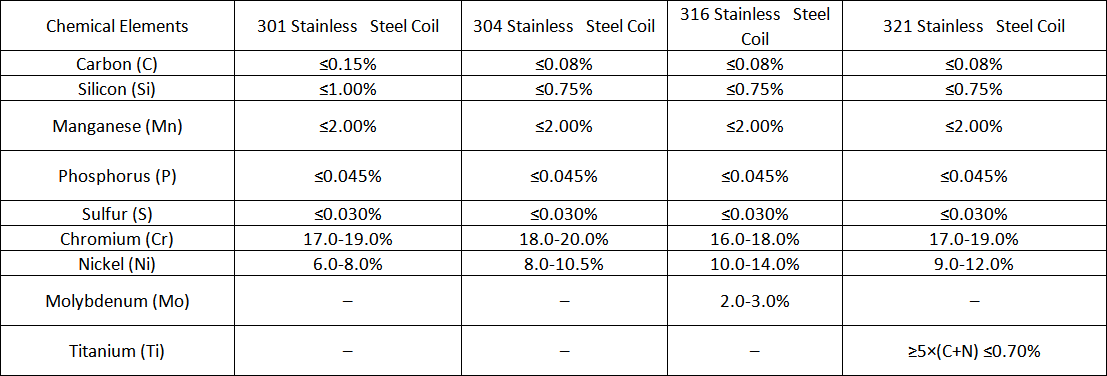
300 Series Main Grades and Chemical Composition
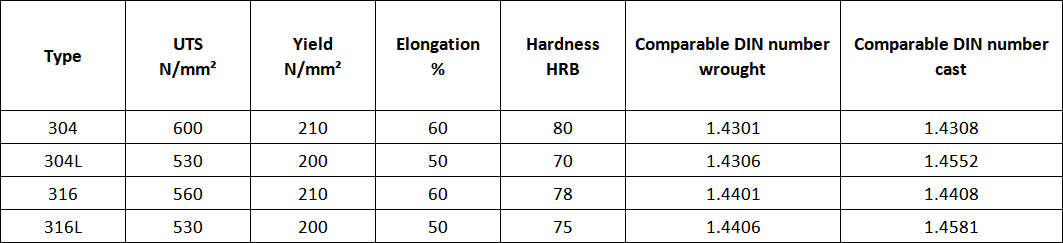
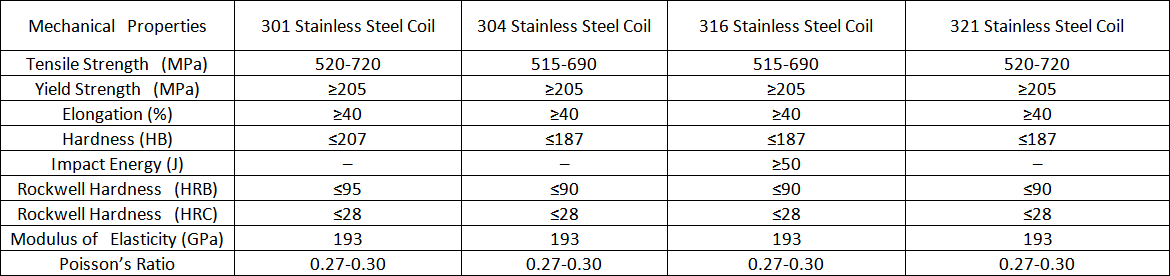
Mechanical Properties
Due to the widespread use of austenitic stainless steel, there is a misconception that all stainless steel is non-magnetic. For austenitic stainless steel, it can generally be understood as non-magnetic, and this is indeed the case for quenched forged steel.
However, 304 stainless steel, after cold forming, will have some degree of magnetism. For cast steel, 100% austenitic stainless steel is non-magnetic.
300 Series
304 Stainless Steel
Properties
304 stainless steel is the most common steel grade. As a widely used steel, it has good corrosion resistance, heat resistance, low-temperature strength, and mechanical properties; it has good hot workability such as stamping and bending, and does not exhibit heat treatment hardening (non-magnetic, usable temperature -196℃~800℃).
Applications: Household goods (Class 1 & 2 tableware, cabinets, indoor piping, water heaters, boilers, bathtubs)
Automotive parts (windshield wipers, mufflers, molded parts)
Medical equipment, building materials, chemical, food industry, agriculture, ship components
304L Stainless Steel (L indicates low carbon)
Properties: As a low-carbon steel, 304 has similar corrosion resistance to 304 steel under normal conditions, but its resistance to intergranular corrosion is excellent after welding or stress relief. It maintains good corrosion resistance even without heat treatment, with an operating temperature of -196℃ to 800℃.
Applications: Used in outdoor machinery in the chemical, coal, and petroleum industries where high resistance to intergranular corrosion is required; heat-resistant parts in building materials; and parts where heat treatment is difficult.
316 Stainless Steel
Properties: Due to the addition of molybdenum, 316 stainless steel has particularly good corrosion resistance, atmospheric corrosion resistance, and high-temperature strength, allowing it to be used under harsh conditions; it has excellent work hardening properties (non-magnetic).
Applications: Equipment used in seawater, chemical, dye, papermaking, oxalic acid, and fertilizer production equipment; photographic and food industry equipment; coastal facilities; ropes; CD rods; bolts; nuts.
316L Stainless Steel (L indicates low carbon)
Performances: As a low-carbon series of 316 steel, in addition to having the same characteristics as 316 steel, it has superior resistance to intergranular corrosion.
Applications: Products with special requirements for resistance to intergranular corrosion.
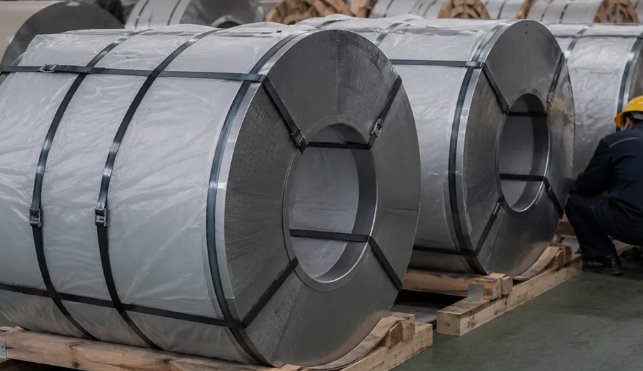
Performance Characteristics:
1. Excellent corrosion resistance: This is the biggest advantage of the 300 series compared to the 200 series. 304 stainless steel has far superior rust resistance to the 200 series. It has good corrosion resistance to oxidizing acids and alkalis such as nitric acid with a concentration ≤65%, as well as most organic and inorganic acids.
2. Good heat resistance: The general operating temperature limit of 304 is less than 650℃; some grades (such as 310S) have even better high-temperature resistance.
3. Excellent processing performance: Hot-rolled sheets exhibit good plasticity, toughness, and outstanding hot processing performance, with good hot workability such as stamping and bending, and no heat treatment hardening phenomenon (non-magnetic).
4. Good weldability: Low-carbon grades such as 304L and 316L have excellent resistance to intergranular corrosion, and intergranular corrosion is not easily formed after welding.
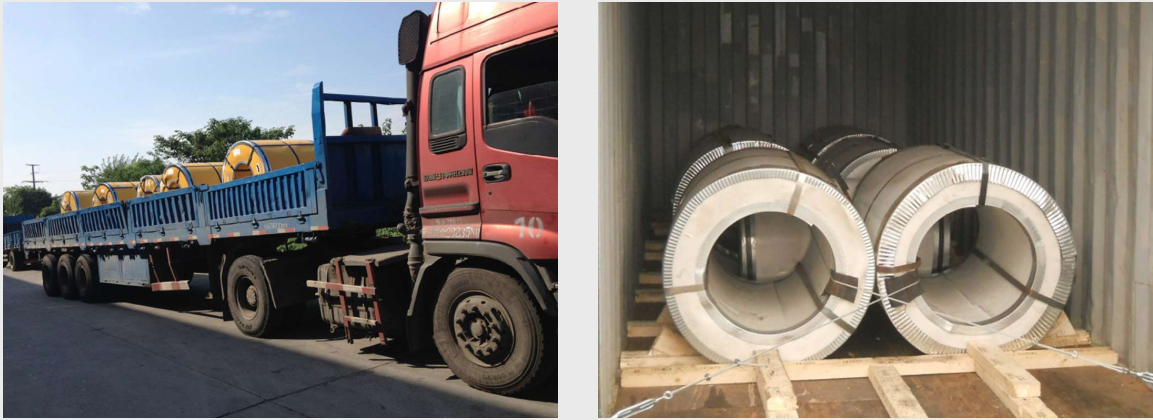
Application areas
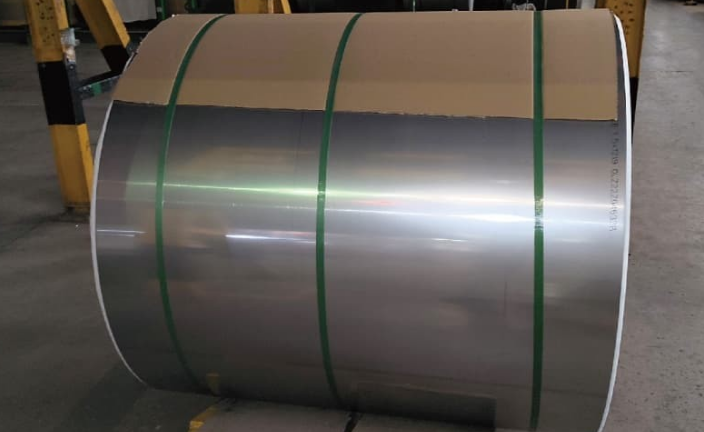
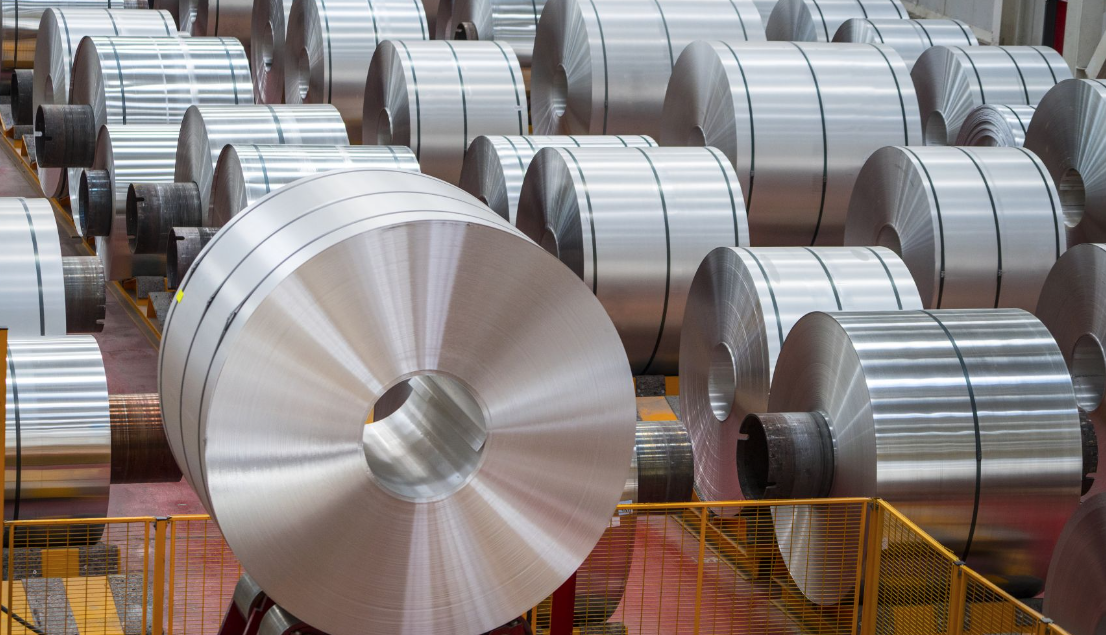
Due to its excellent corrosion resistance, oxidation resistance, and mechanical properties, 300 series stainless steel coils are widely used in various industries to meet the needs of different fields, including but not limited to the following:
1. Construction industry: used to manufacture building structures, columns, bridges, handrails, etc.
2. Chemical industry: suitable for manufacturing storage tanks, pipelines, chemical equipment, reactors, distillation towers, etc., to resist corrosive media and high-temperature environments.
3. Food processing industry: used in the manufacture of food processing equipment, storage tanks, pipelines, etc., to ensure food safety and hygiene, while having good resistance to corrosive substances in food.
4. Automobile manufacturing industry: used in the manufacture of automobile exhaust systems, intake pipes, fuel tanks, etc., which can effectively resist high temperature, high pressure, and corrosive environments.
5. Aerospace field: suitable for manufacturing aero-engine components, turbine blades, spacecraft structures, etc., to cope with extreme working conditions.
6. Medical Devices: Used in the manufacture of surgical tools, medical equipment, surgical implants, etc. to ensure their corrosion resistance and biocompatibility.
7. Oil and gas industry: suitable for manufacturing oil storage tanks, pipelines, valves, etc. to withstand high pressure, high temperature, and corrosive media.
Compared to the 200 series, the 300 series is more expensive, but its performance (especially corrosion resistance) is superior across the board. Choosing the 300 series essentially means paying a premium for corrosion resistance and reliability—in outdoor, chemical, marine, food, and medical applications where strict corrosion resistance requirements exist, the 300 series is an irreplaceable solution.
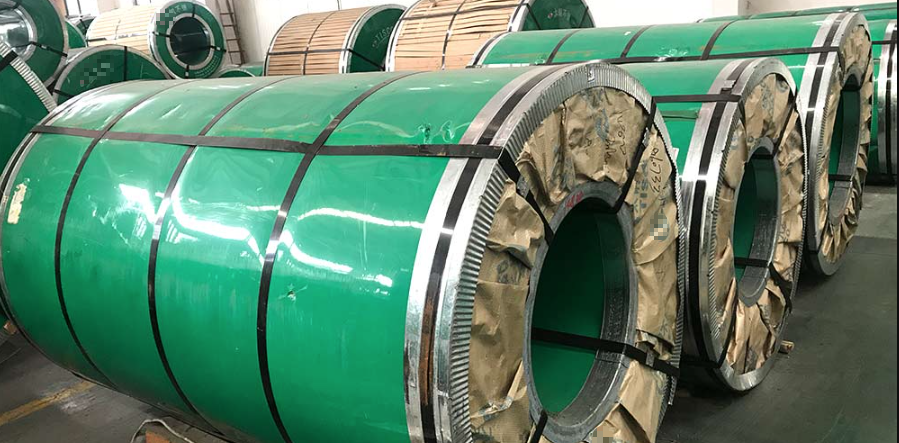
300 series stainless steel is another common type of stainless steel, usually including stainless steel grades such as 304, 316, 321, etc. The following are some national and international standards applicable to 300 series stainless steel hot rolled coils:
GB standards: Chinese national standards (GB) also include specifications for stainless steel products. GB/T 4237 is a standard applicable to stainless steel hot-rolled coils, including 300 series stainless steel.
ASTM standards: The American ASTM International Standards Committee has formulated multiple standards applicable to 300 series stainless steel. For example, ASTM A240 is the standard specification for stainless steel plate, coil and strip, including 300 series stainless steel materials.
EN standards: European standards (EN) also include specifications for 300 series stainless steel products. The EN 10088 series of standards includes requirements and specifications for stainless steel coils and is applicable to 300 series stainless steel.
JIS Standards: Japanese Industrial Standards (JIS) specify standards for stainless steel products. For example, JIS G4304 applies to stainless steel hot-rolled coil materials, including 300 series stainless steel.
Copyright Notice © 2022 - 2023 ChinaSteelMarket.com All rights reserved.