
The EU's CBAM Is Set to Expand to 457 Products, Putting Pressure on Exports of Downstream Steel Products
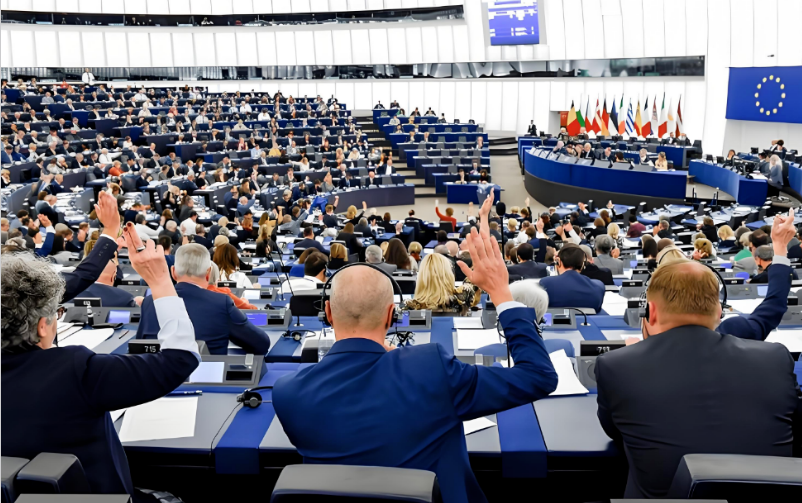
On September 15, the European Parliament adopted its negotiating position on the expansion of the Carbon Border Adjustment Mechanism (CBAM) by a vote of 464 in favor and 50 against, supporting the extension of coverage from basic materials such as steel and aluminum to more downstream finished products, as well as strengthening anti-circumvention measures. This position will be negotiated with the Council of the European Union. The European Council’s June position also supported the expansion, adding approximately 200 products—including metal-intensive industrial goods, construction materials, and electrical equipment—to the European Commission’s list of 180 steel- and aluminum-intensive downstream products; the European Parliament has now expanded the list to 457 items.
The scope of the Parliament’s version is significantly broader; in addition to machinery, hardware, automotive parts, home appliances, and construction equipment, it also includes photovoltaics, heat pumps, fasteners, wires, springs, and household goods. This means that the CBAM is extending from the raw materials stage deeper into the manufacturing supply chain, and exports of steel and steel- and aluminum-containing downstream products to the EU will face more direct carbon costs and compliance pressures. At the same time, non-EU electricity transmission used by grid operators to maintain grid stability is exempt.
Anti-circumvention rules have been tightened simultaneously: the exemption threshold has been lowered from 50 metric tons to 5 metric tons, and loopholes related to waste have been closed to prevent foreign manufacturers from underreporting emissions by using post-consumer waste; if circumvention is detected, the European Commission may apply the default emission values based on the product’s actual country of origin. The Parliament also supports the establishment of a temporary decarbonization fund to help European manufacturers compete with international companies that do not bear similar carbon costs.
The CBAM will be fully operational as of January 1, 2026, and currently covers six major industries: steel, aluminum, cement, fertilizer, electricity, and hydrogen. Its core objective is to ensure that importers bear carbon costs equivalent to those of their EU counterparts under the EU Emissions Trading System (ETS). The current system is believed to potentially encourage non-EU manufacturers to process steel and aluminum into downstream products before re-exporting them to Europe, thereby circumventing carbon costs; this is a key factor behind the expansion of the scheme.
However, the European Parliament’s position is not yet final law. Since the Parliament and the Council support different lists of downstream products, the final scope of products, HS codes, and specific provisions remain to be determined through negotiations. The EU Climate Commissioner has urged that an agreement be reached as soon as possible before the end of the year; otherwise, the downstream extension may not take effect as planned on January 1, 2028. Exporters of steel and steel products should closely monitor the subsequent official text.


.png)
Copyright Notice © 2022 - 2023 ChinaSteelMarket.com All rights reserved.