
LNG Giant Ships are Equipped with TISCO's "Super Armor": Millimeter-Thick, Able to Withstand Extreme Cold of -163℃!
On the shores of the Bohai Sea, in the dry dock of Dalian Shipbuilding Industry, a 175,000-cubic-meter LNG carrier is undergoing intensive installation of its cargo hold containment system. As silver special steel plates are welded and assembled, a sealed cabin capable of withstanding extreme cold of -163°C gradually takes shape. These low-temperature thin-film stainless steels, independently developed by China Baowu TISCO, have created a "super armor" for this giant ship, which is known as the "super refrigerated truck at sea".
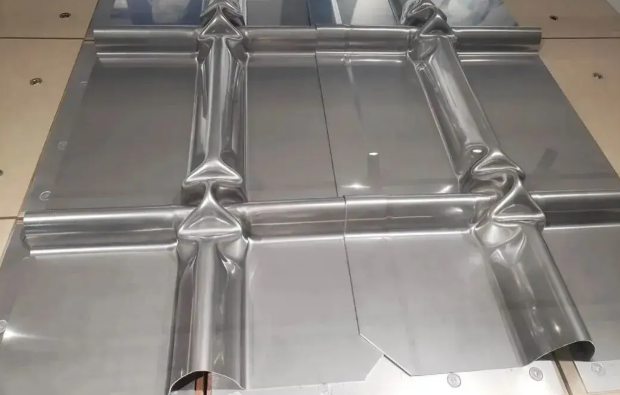
TISCO’s Stainless Steel for Cryogenic Membrane-Type LNG Tanks
Why does this massive vessel require a suit of "armor"? What are the unique advantages of this type of steel? And what challenges were overcome during its development?
What kind of "armor" must LNG carriers wear when setting sail?
As one of the "three jewels in the crown" of the shipbuilding industry, LNG carriers are recognized by the shipbuilding industry as high-tech, high-difficulty, and high-value-added products. LNG carriers can be simply divided into three layers: the outermost layer is the hull structure steel plate that bears the weight of the entire ship and resists the impact of sea waves; the middle layer is the secondary shield wall and a thick thermal insulation layer; the innermost layer is the inner lining membrane (main shield wall) that is in direct contact with liquefied natural gas at -163°C, which is also the key to the safe operation of LNG carriers.
On the one hand, the internal temperature of the cargo hold of an LNG ship remains stable at -163°C year-round. On the other hand, the external seawater temperature varies greatly during the voyage. On tropical routes, the surface seawater can reach above 30°C, while on polar routes, the sea surface temperature can drop to below zero. The temperature difference between the inside and outside of the hold is nearly 200°C. This extreme temperature difference places very high demands on the materials used in the hold.
The carbon steel plates used in ordinary cargo ships are completely unable to withstand such extreme conditions: First, ordinary carbon steel (Prices) is susceptible to cold and brittleness. When the temperature drops to below -100 degrees Celsius, ordinary steel loses its toughness and becomes as brittle as glass. During navigation, LNG will constantly shake and impact the bulkheads, and even a slight bump can cause through-cracks in the steel plates. Second, ordinary steel expands and contracts significantly with temperature changes. LNG ships repeatedly load and cool down, and unload and heat up. The huge temperature changes will cause the steel plates to continuously expand and deform, generating strong tensile stress, which will directly tear the welds of the steel plates. It is impossible to achieve long-term sealed storage of liquid.
It is evident that the special cryogenic steel used in the cargo hold system of membrane-type LNG carriers must withstand enormous thermal stress and liquid sloshing loads, making its manufacturing extremely difficult.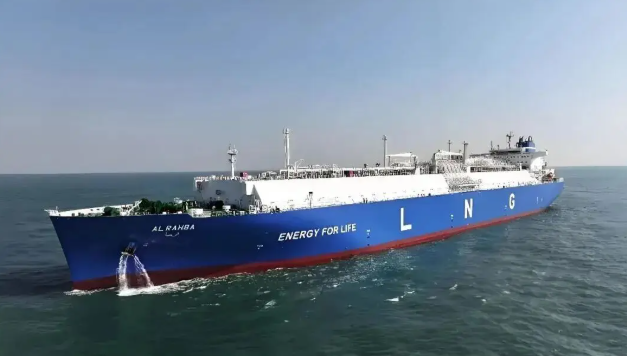
Large Mark III Flex membrane LNG carriers use TISCO's low-temperature membrane-type special stainless steel.
Previously, this material was monopolized by a few foreign companies. Domestic shipyards not only had to bear high procurement costs, but also faced delivery cycles of several months. Once the supply chain fluctuated, the entire shipbuilding line could come to a standstill, which became a key bottleneck restricting the development of my country's LNG carrier industry.
Why can this steel called "film" shoulder such a heavy responsibility?
In response to the country's major strategic needs, TISCO has given full play to its decades of technological accumulation as a "high-quality stainless steel base," proactively targeting the material pain points of leading shipbuilding companies, and launching a full-scale assault on this "bottleneck" technology problem in materials.
The low-temperature thin-film stainless steel used in the giant ship "armor" mentioned at the beginning is austenitic stainless steel with a face-centered cubic crystal structure, which can retain sufficient toughness even when exposed to an environment of -163℃ for a long time.
Even with the LNG being constantly washed and impacted by wind and waves, there is no risk of brittle fracture, perfectly avoiding the fatal flaw of ordinary ship plates that break at low temperatures. Chromium forms a dense passivation film on the surface of the steel plate, which isolates it from corrosion caused by moisture and low temperature media, and it is not easy to rust even in the humid marine environment for a long time; nickel stabilizes the internal crystal structure, ensuring that the internal structure of the material will not fail after hundreds of cycles of heating and cooling.
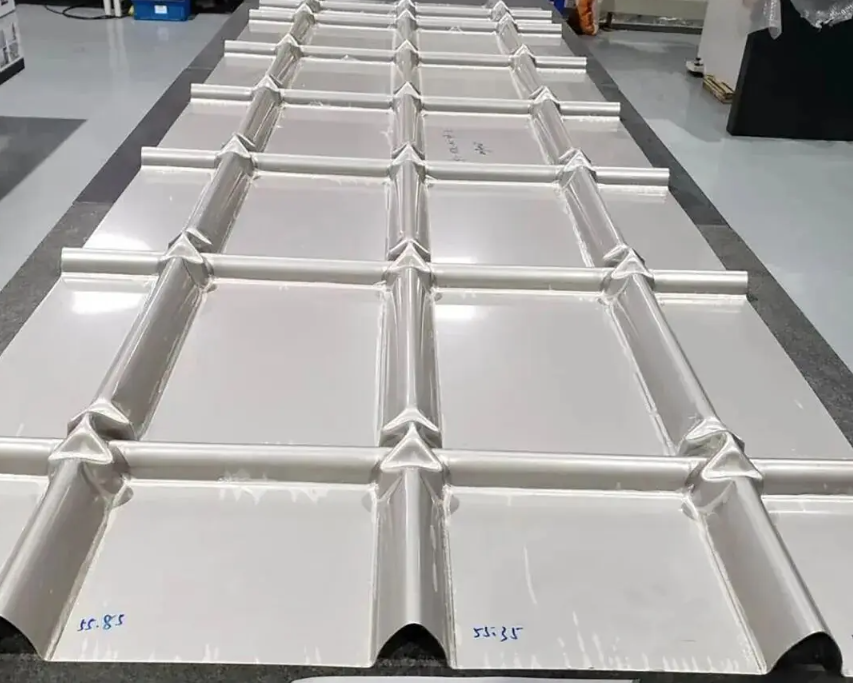
TISCO produces stainless steel for cryogenic membrane LNG.
However, its coefficient of thermal expansion is relatively high, about 16×10⁻⁶/℃, which is the well-known thermal expansion and contraction. If the entire flat plate is laid flat, the huge deformation stress will directly tear the weld. Faced with this problem, engineers from TISCO came up with a clever solution: pressing thin steel plates into a wavy shape, relying on the stretching and contraction of the folds themselves to offset the deformation caused by temperature differences, without the need for additional complex buffer structures, making the entire enclosure system design simpler.
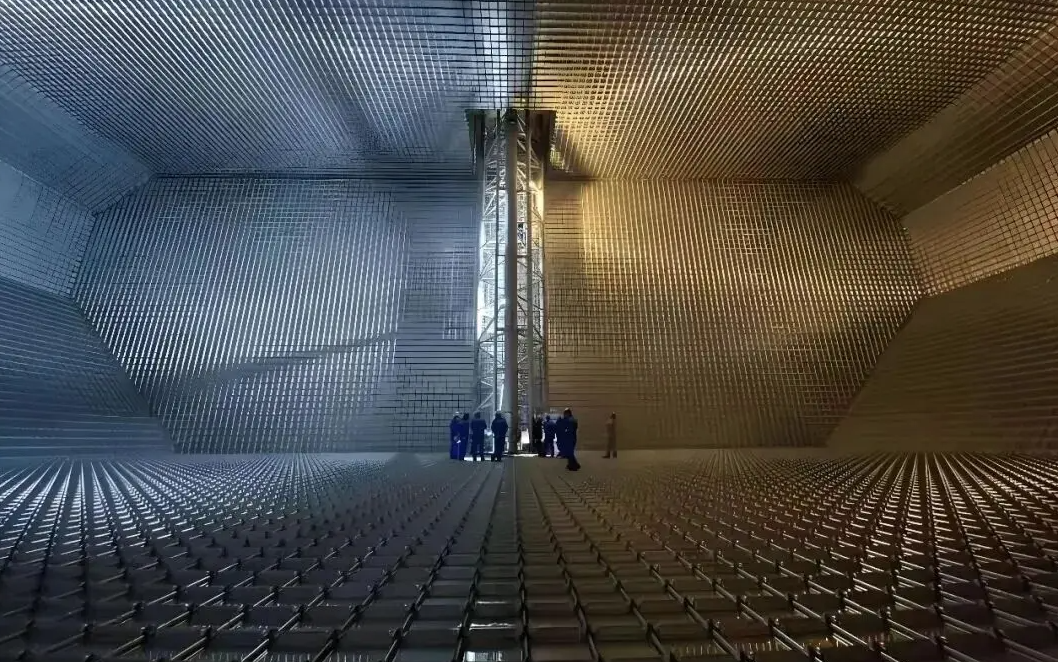
The first LNG membrane cargo containment system in China was built using TISCO's low-temperature membrane stainless steel.
The biggest advantage of this stainless steel is that it is "easy to maintain and cost-effective"—it is more affordable, less prone to burn-through during welding, has mature automated welding technology, strong corrosion resistance, and can significantly shorten the shipyard construction cycle. It can be used for containment systems of large ocean-going 175,000 cubic meter MARK III LNG carriers as well as fuel tanks of large container ships.
What other kind of "armor" can protect the deep blue sea?
Currently, the two main technical routes for membrane-type LNG carriers are the NO96 series and the MARK Ⅲ series. Among them, the core material of the NO96 type cargo tank is Invar alloy, which is only 0.7 mm thick.
The most remarkable property of this material is that its coefficient of thermal expansion is almost zero in extremely low temperatures of minus 100 degrees Celsius. As a result, the cargo hold does not require a complex deformation buffer structure, making it the best material that cannot be replaced in the construction of membrane-type LNG cargo holds.
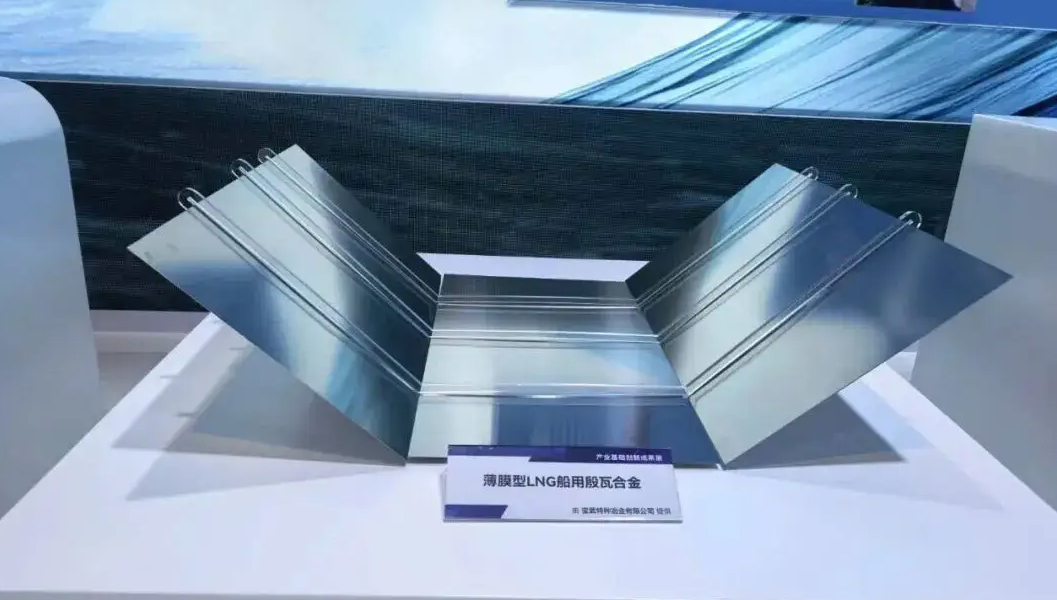
Baowu Special Metallurgical's Thin-Film LNG Marine Invar Alloy
During the manufacturing process, the nickel content must be precisely locked at around 36%. Even the slightest deviation will cause drastic fluctuations in the coefficient of thermal expansion, directly leading to material failure. At the same time, the purity of the molten steel must reach the highest level in the industry. Any tiny inclusions can become a fatal hidden danger in the ultra-low temperature environment. It is also extremely "delicate". Even if you touch it lightly with your bare hands, sweat will cause corrosion within 24 hours, making the entire piece of material scrap.
To overcome this challenge, Baowu Special Steel, a subsidiary of China Baowu Group, and Hudong-Zhonghua Shipbuilding, a subsidiary of China State Shipbuilding Corporation, officially launched a research project in January 2022. They established a development path of "technological breakthrough—standard construction—certification implementation—real-ship verification," and developed a complete domestic technology system and supporting service capabilities across the entire industry chain, from smelting and rolling to welding and marine applications. The resulting domestically produced Invar alloy boasts impressive performance: strip widths can reach over 1200 mm, nearly twice that of similar international products; the lateral bending error of a 50-meter-long plate is no more than 3 mm, and the straightness deviation per meter is less than 0.5 mm; even at extreme low temperatures of -196℃, the material's impact resistance still reaches over 170 J/cm², placing its overall performance at an internationally advanced level. Addressing the susceptibility of Invar alloys to corrosion, the team also established a comprehensive rust prevention and control system to ensure "zero-defect" product delivery.
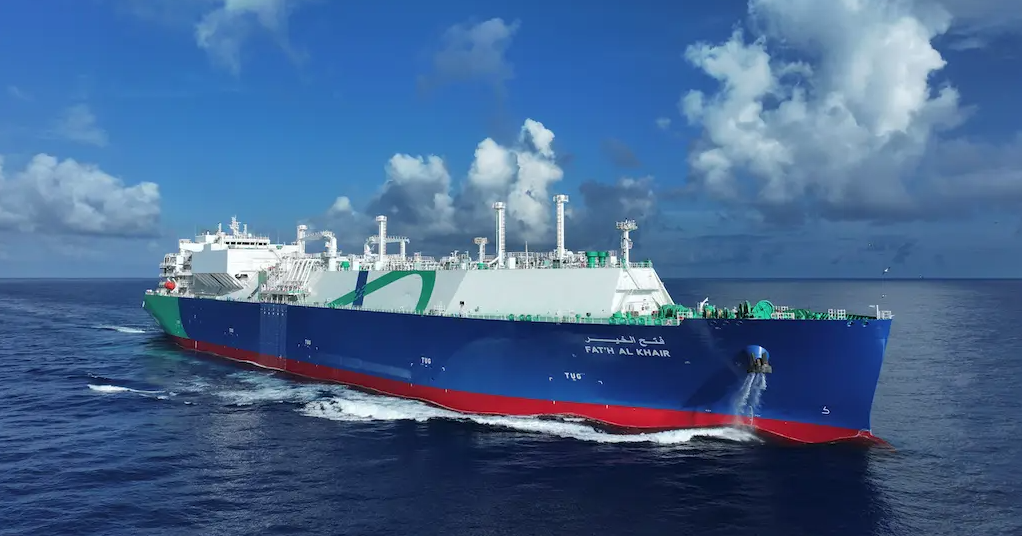
In August 2025, the world's first large LNG carrier made entirely of Baowu Special Metals Invar alloy materials successfully completed its sea trials and was officially delivered. These two materials each have their own advantages. TISCO's low-temperature thin-film stainless steel, with its high cost-effectiveness and faster construction cycle, is suitable for ocean-going MARK Ⅲ large LNG carriers and large container LNG fuel tankers; Baowu Special Metals Invar alloy, with its near-zero expansion and double-layer metal high safety redundancy, is more suitable for transoceanic ocean-going, polar transportation and ultra-large LNG carriers with a capacity of over 200,000 cubic meters.
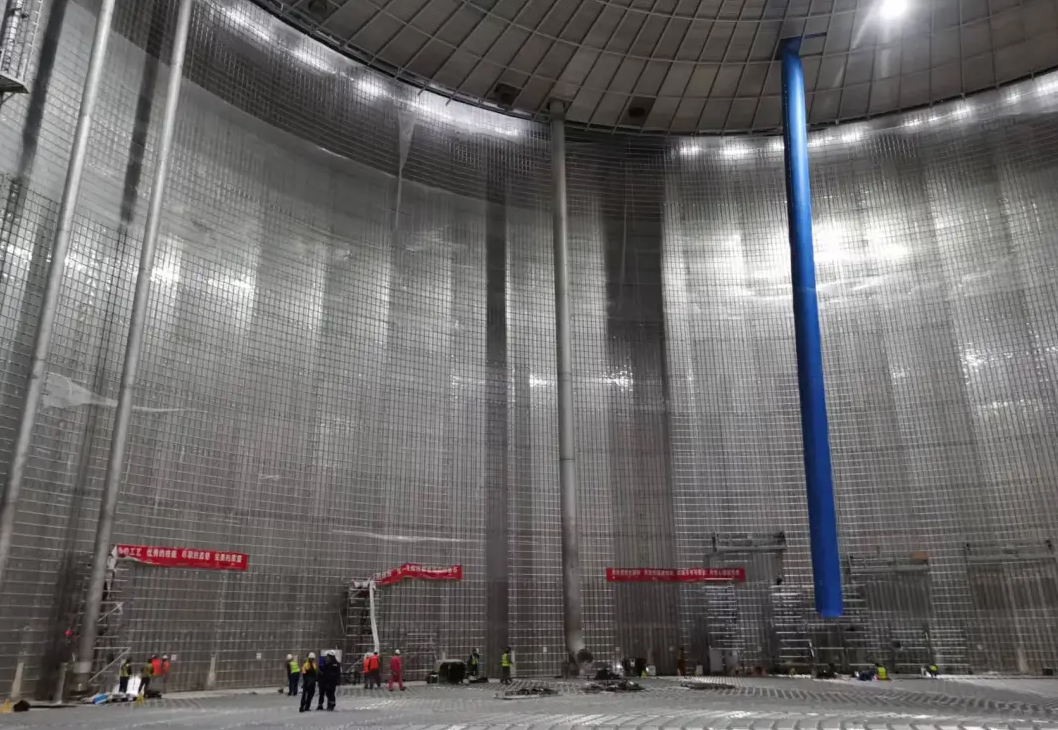
The membrane-type LNG carrier cargo tank, currently being constructed using TISCO's low-temperature membrane-type stainless steel, represents one of the two technological approaches, each with its own advantages, yet both standing at the forefront of modern special steel smelting and processing. Two sets of domestically produced low-temperature special steels have worked together to fill the gap in core materials for LNG ships, building a solid steel barrier for national energy security.
With the delivery cycle of cryogenic thin-film steel for LNG ships in China shortened significantly, the resilience and self-control of the supply chain have been fundamentally improved, and the security line of the national energy equipment industry chain has been strengthened from the basic material end. On our journey towards the deep blue sea, we stand tall with our steely backbone.


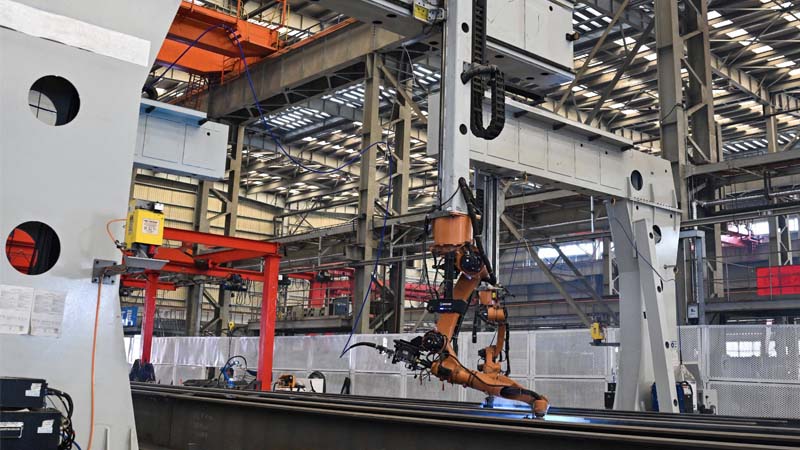
.png)
Copyright Notice © 2022 - 2023 ChinaSteelMarket.com All rights reserved.